






Dictator in American Hoodie: The Unexpected Marketing Twist for Maine-based Origin Apparel
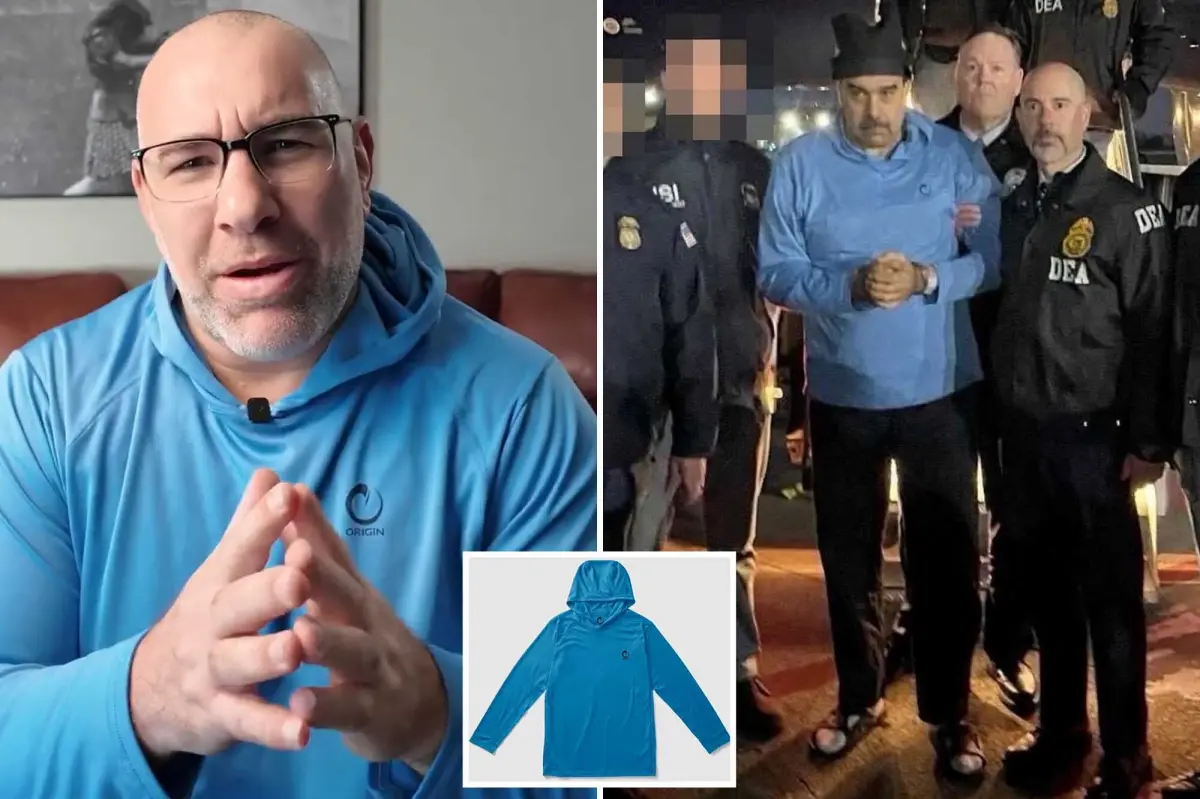
In an unexpected turn of events that has captured public attention, a Maine-based clothing company found itself thrust into the spotlight after a remarkable photo circulated worldwide. Origin, an American apparel brand, suddenly became part of an international news story when the ousted Venezuelan dictator Nicolás Maduro was photographed wearing one of their bright blue hoodies upon his arrival in New York. The striking image showed Maduro, in shackles, surrounded by DEA agents, yet flashing two thumbs up while dressed in the distinctive American-made garment. This bizarre juxtaposition of a controversial political figure and an all-American brand created an instant marketing phenomenon that no advertising budget could have planned or purchased.
The company’s founder, Peter Roberts, responded to the situation with a measured blend of surprise and humor that reflected the surreal nature of seeing his product on such an unexpected model. “Probably a DEA agent slipped this hoodie on him and said ‘you’re gonna feel the fabric of freedom on American soil,'” Roberts quipped in a video statement, adding with a touch of lighthearted speculation, “He definitely gave two thumbs up so I think he liked the fabric.” This good-natured response helped frame what could have been a brand liability into a moment of American entrepreneurial spirit. Rather than shying away from the association, Roberts leaned into the strangeness of the situation, demonstrating the adaptability that small businesses often need to navigate unexpected publicity.
While the exact circumstances of how Maduro came to wear the Origin hoodie remain unclear, Roberts offered his theory on what might have happened behind the scenes of this unusual photo opportunity. “What I believe happened is they landed in New York,” he speculated, noting the practical reality that “it was cold outside and they put a hoodie on him.” This simple explanation highlights the everyday nature of the garment juxtaposed against the extraordinary circumstances of an international political figure being transported in custody. The hoodie—a quintessential American casual garment—became an unlikely symbol in a complex geopolitical moment, bridging the gap between high-stakes international relations and everyday comfort wear.
The impact on Origin was immediate and overwhelming. According to Roberts, his phone “blew up” the moment people began recognizing the company’s logo on Maduro’s apparel. This instant recognition speaks to the power of visual media in today’s interconnected world, where a single photograph can create instantaneous brand awareness across global audiences. What would normally require substantial marketing investments and carefully planned campaigns happened organically through one unexpected photograph. Small businesses often struggle to achieve national—let alone international—recognition, but Origin found itself with worldwide visibility overnight through this strange twist of fate.
This incident represents a fascinating case study in unplanned brand exposure and the complex relationship between politics, commerce, and public perception. For Origin, a company presumably built on American manufacturing values, having their product associated with a controversial foreign leader could have been problematic. Yet the circumstances—Maduro in custody, wearing an American-made product while on American soil facing American justice—created a narrative that many could view as the ultimate example of American systems at work. The irony of a leader known for anti-American rhetoric being clothed in an American-made garment was not lost on observers, adding another layer to the already complex symbolism of the photograph.
Beyond the immediate buzz and attention, this incident highlights how in the modern media landscape, brands can find themselves thrust into political narratives without warning or consent. Origin didn’t choose to be part of this international story, yet they now face the challenge of navigating their unexpected association with it. Roberts’ good-humored response demonstrates one effective approach to handling such situations—acknowledging the reality while maintaining a light touch that neither embraces nor rejects the association too strongly. For small American businesses, such moments can be double-edged swords, offering unprecedented exposure but also potential controversy. How Origin leverages this moment in the longer term may become a blueprint for other companies who find themselves unexpectedly in the international spotlight through the strange intersections of politics, justice, and everyday products like a simple blue hoodie.