


Maduro Headed to the Same Prison as High-Profile Defendants Like Diddy and Maxwell
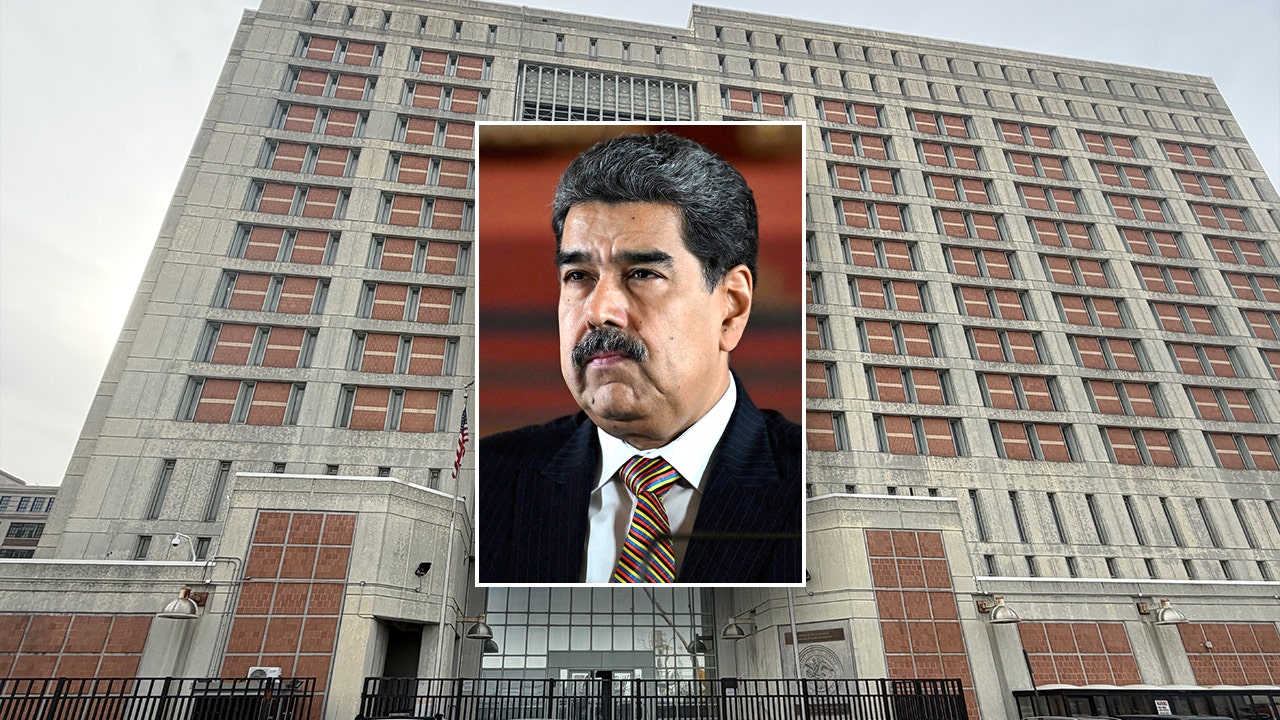
In a stunning development that has sent shockwaves through international politics, Venezuelan President Nicolás Maduro has been captured by U.S. forces and is now destined for the Metropolitan Detention Center in Brooklyn—the same facility that has housed some of America’s most notorious defendants in recent years. According to sources speaking to Fox News, Maduro was apprehended during an early-morning raid on what was described as a “fortress-like” residence in Venezuela. The operation, reportedly executed by the Army’s Delta Force with intelligence support from the CIA, caught the Venezuelan leader before he could retreat to a specially designed safety room with steel doors and reinforced walls. As President Trump later revealed in a “Fox & Friends Weekend” interview, “He was trying to get into it, but he got bum rushed so fast that he didn’t get into that area of the house.” The U.S. forces had come prepared with “massive blowtorches and everything else” to breach the steel barriers, but ultimately didn’t need them as they captured Maduro before he could secure himself within his panic room.
The charges against Maduro are severe and far-reaching, including narco-terrorism conspiracy, cocaine importation conspiracy, possession of machine guns and destructive devices, and conspiracy to possess such weapons against the United States. The indictment reportedly extends beyond Maduro himself, naming both his wife and son as co-defendants in what appears to be a comprehensive effort to dismantle what American authorities view as a criminal enterprise operating under the guise of a legitimate government. The operation that led to Maduro’s capture had apparently been planned for days, with Trump noting, “We waited four days. We were going to do this, four days ago, three days ago, two days ago. And then all of a sudden it opened up, and we said, ‘go.'” This revelation suggests a carefully orchestrated mission that was executed when intelligence indicated an optimal opportunity had presented itself.
MDC Brooklyn, where Maduro will be held pending trial, has become something of an infamous holding facility for high-profile defendants in the American justice system. The detention center has previously housed a remarkable roster of notorious inmates, including sex trafficker Ghislaine Maxwell (the former associate of Jeffrey Epstein), disgraced music mogul Sean “Diddy” Combs, cryptocurrency entrepreneur Sam Bankman-Fried, and former Trump attorney Michael Cohen. In a strange coincidence, Maduro will be sharing the facility with Luigi Mangione, who is currently awaiting trial for allegedly assassinating UnitedHealthcare CEO Brian Thompson. This concentration of high-profile defendants in a single facility underscores MDC Brooklyn’s role as the federal government’s preferred location for housing individuals whose cases attract significant public attention and require enhanced security measures.
According to Judi Garrett, former assistant director at the Federal Bureau of Prisons, Maduro will likely receive specialized treatment upon arrival at MDC Brooklyn. “I would expect [Maduro] would be held in [a Special Housing Unit] at the outset and then moved into one of the ‘special’ units where other high-profile individuals have been held,” Garrett told Fox News Digital. She emphasized that the facility has “substantial experience with high profile defendants,” suggesting that the Bureau of Prisons has established protocols for handling individuals whose detention presents unique security challenges or who might be targets for other inmates. This special handling reflects both the high-profile nature of Maduro’s case and the potential diplomatic and security implications of detaining a foreign head of state, albeit one the United States government no longer officially recognizes as legitimate.
The capture of Maduro represents an extraordinary escalation in U.S. policy toward Venezuela and raises significant questions about international law, sovereignty, and the limits of American power projection. While some American politicians have praised the operation—with one House Democrat calling it “welcome news”—others have criticized what they describe as “illegal actions” that potentially violate norms governing relations between sovereign states. The legal and diplomatic ramifications of apprehending a sitting head of state, regardless of whether the U.S. recognizes their legitimacy, are profound and potentially far-reaching. Constitutional scholar Jonathan Turley has weighed in on the matter, addressing questions about whether such an operation required congressional approval—a debate that highlights the complex legal landscape surrounding actions that blur the line between law enforcement and military operations in foreign territories.
The capture of Maduro marks a dramatic chapter in the ongoing Venezuelan political crisis and in U.S.-Latin American relations more broadly. As Maduro awaits trial behind the same walls that have contained some of America’s most notorious defendants, the case raises profound questions about international justice, the reach of American law enforcement, and the future of Venezuela. The symbolism of housing Maduro in a facility designed for domestic criminals rather than treating him as a political prisoner or prisoner of war sends a clear message about how the United States views his status—not as a legitimate head of state with immunity, but as a criminal defendant facing serious charges in the American justice system. As this extraordinary case unfolds, it will likely set precedents for how the international community addresses allegations of criminal behavior by national leaders and the extent to which one nation can enforce its laws against the leadership of another.