





The Impact of Maduro’s Arrest: Reshaping Regional Relations and Drug Trafficking Battles
The recent capture of Venezuelan dictator Nicolas Maduro and his wife Cilia Flores by U.S. forces marks a significant turning point not only for Venezuela but potentially for the entire Western Hemisphere. This bold operation, resulting in the couple pleading not guilty to narco-terrorism charges in a Manhattan courtroom, signals a dramatic shift in American foreign policy. According to retired U.S. Navy Vice Admiral Robert Harward, a former SEAL and National Security Council member, this action represents a “realignment and reemphasis” on combating drug cartels and narco-states. Unlike the Obama administration’s unenforced “red lines” in Syria, the Trump administration has demonstrated a willingness to take decisive action when its priorities are threatened. This newfound assertiveness sends a clear message to governments throughout the region: interference in America’s “backyard” will not be tolerated, particularly when it involves drug trafficking that directly harms American citizens.
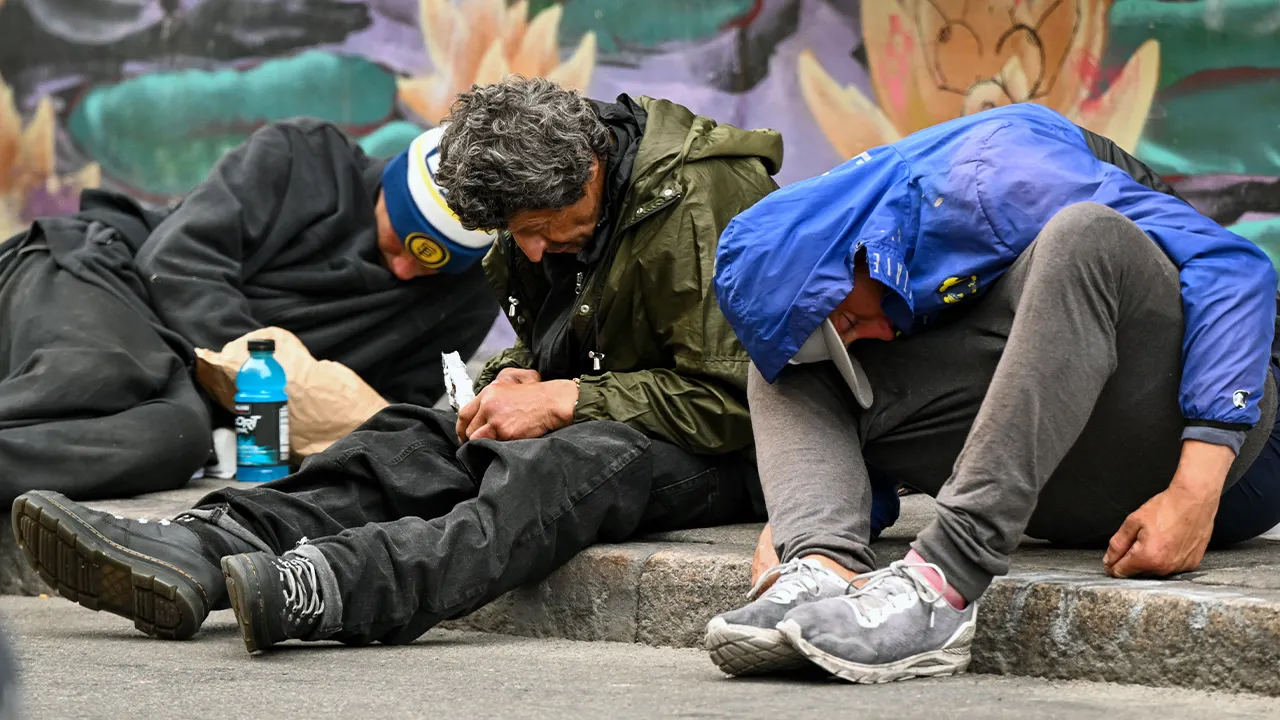
The operation against Maduro goes beyond simply removing a dictator; it represents a comprehensive strategy to address drug trafficking at its source. For years, the United States has been interdicting drug shipments from South America in international waters, but Harward predicts this operation may lead to increased cooperation with regional partners in monitoring ports and conducting operations within sovereign territories. This collaborative approach could significantly disrupt the supply chains that bring narcotics to American streets. The Trump administration’s renewed focus on border security, following what many critics described as lax enforcement during the Biden years, forms another component of this strategy. The combined effect of stronger borders and aggressive actions against drug producers and traffickers may already be showing results, with provisional CDC data indicating a drop in drug overdose deaths after a significant spike during the Biden administration.
The timing of this decline raises interesting questions about causality. As Joseph Giacalone, a retired NYPD sergeant and criminal justice professor, notes, the fall in overdose deaths began near the end of Biden’s term, possibly “in anticipation of a tough on crime president coming in.” This suggests that even the expectation of more aggressive enforcement can serve as a deterrent to criminal organizations. The military strikes on suspected drug trafficking vessels in the Caribbean likely reinforce this deterrent effect. As Giacalone succinctly states, “Deterrence matters in criminal justice policy.” By making the costs of drug trafficking prohibitively high through both border security measures and direct action against trafficking networks, the administration aims to reduce the flow of narcotics into the United States at multiple points along the supply chain.
President Trump’s approach to the region has been characterized by an invocation of the Monroe Doctrine, the 19th-century policy asserting American influence over the Western Hemisphere. Trump has even personalized this historical concept, referring to it as the “Don-roe doctrine” in recent statements. This revival of a doctrine once considered outdated by many foreign policy experts indicates a significant reorientation of American priorities toward its nearest neighbors after decades of focus on the Middle East and Asia. The Maduro operation demonstrates that this doctrine is more than rhetorical—it represents a willingness to exercise American power directly when perceived threats emerge in the hemisphere. This return to a more regionally-focused approach may reshape relationships throughout Latin America, potentially encouraging greater cooperation from countries that might otherwise maintain ambiguous positions between the United States and its geopolitical rivals.
Beyond its immediate regional implications, the Venezuela operation carries significant global ramifications, particularly for countries aligned with America’s strategic competitors—Russia, China, and Iran. These nations have cultivated Venezuela as an ally in recent years, with Russia and China providing economic support and Iran developing military ties. The successful removal of Maduro weakens this alliance network and sends a powerful message to other nations attempting to balance relationships between competing global powers. As Harward observes, this action, combined with ongoing unrest in Iran that has received vocal support from Trump, could potentially “alter the world order” by undermining key proxies of Russia and China. Countries that have tried to “keep a foot in both camps” may now recalculate the risks of alignment with American adversaries in light of this demonstrated resolve.
The Maduro arrest represents a significant evolution in America’s approach to both regional security and global power competition. By directly confronting a leader accused of narco-terrorism, the United States has signaled a willingness to take extraordinary measures to address threats in its immediate neighborhood. This approach balances hard power—military operations and law enforcement actions—with diplomatic leverage to reshape regional relationships. As this situation continues to unfold, the implications will extend far beyond Venezuela’s borders, potentially influencing how nations throughout Latin America position themselves in relation to the United States and its global competitors. The success or failure of this approach will likely depend not only on immediate outcomes in Venezuela but on whether it leads to sustainable improvements in regional security and cooperation against transnational criminal organizations. What’s clear is that this bold action has already altered regional dynamics and put both allies and adversaries on notice that American foreign policy has entered a new, more assertive phase.