






Apartment Complexes Accused of Ignoring Sex Trafficking in Luxury Units
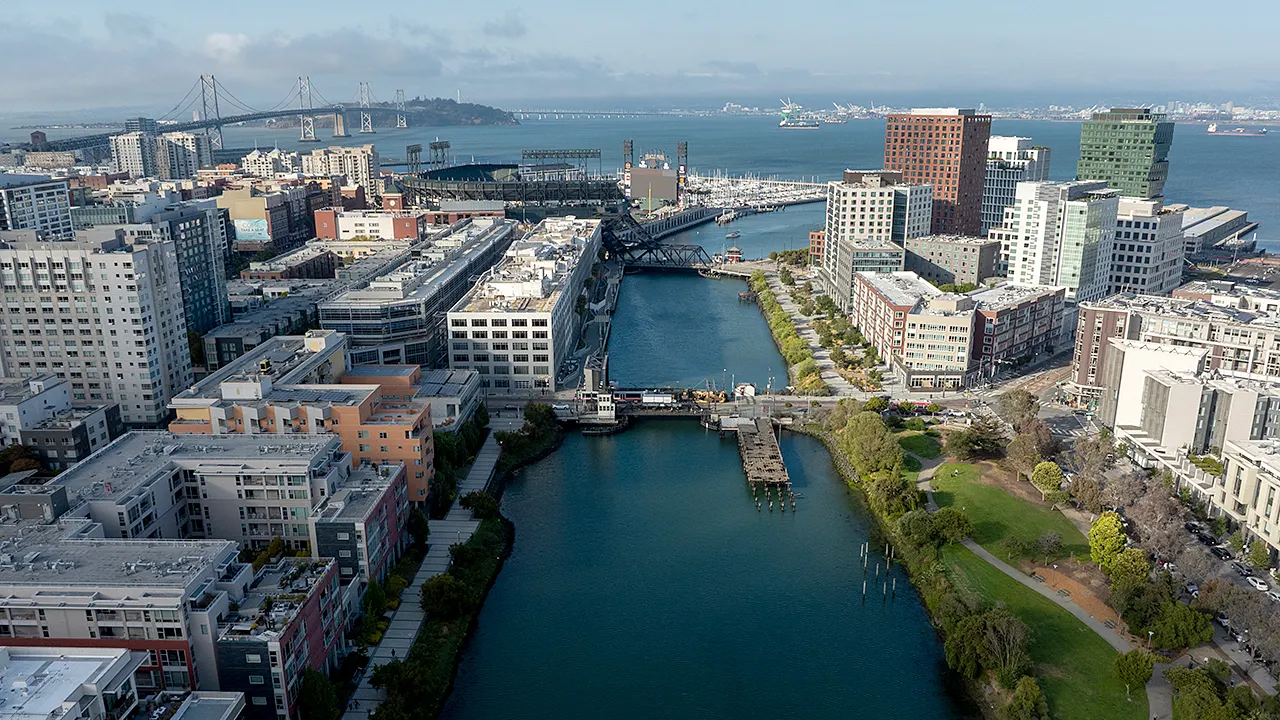
In a heart-wrenching federal lawsuit that exposes the dark underbelly of human trafficking in unlikely places, a young woman has come forward with allegations that staff at two San Francisco luxury apartment complexes knowingly allowed her to be sex trafficked when she was still a minor. Known only as A.V. in court documents to protect her identity, she claims employees at Avalon at Mission Bay and South Beach Marina Apartments not only turned a blind eye to obvious signs of trafficking but in some cases allegedly accepted cash payments to remain silent about the criminal activities taking place inside their high-end buildings.
The nightmare began for A.V. in 2018 when she was still in high school and under 18 years old. According to her lawsuit, a man identified under the pseudonym “Tom Roe” forced her and other victims to engage in commercial sex acts with a stream of men inside luxury apartments where monthly rents ranged from $7,500 to $10,000. The complaint details how Roe deliberately chose these upscale residences for their prestigious appearance and amenities, effectively using the veneer of luxury to mask the horrific exploitation occurring behind closed doors. Roe reportedly paid these exorbitant rents in cash, moving his trafficking operation from South Beach Marina Apartments to the “more luxurious” Avalon at Mission Bay as his criminal enterprise continued.
What makes this case particularly disturbing are allegations that apartment staff—including front desk personnel, security guards, and maintenance workers—witnessed clear warning signs of trafficking but failed to intervene. The lawsuit claims these employees observed multiple unregistered tenants including a minor living in the units, frequent visits from unknown men at all hours, and leases held by individuals with no reported income. Security cameras throughout the properties allegedly captured A.V. entering and exiting with different men, while maintenance workers reportedly witnessed commercial sex acts, drug use, and cash exchanges during visits to the apartments. Despite these red flags, no action was taken to help the victims or report the suspicious activity to authorities.
The methods of control Roe allegedly employed reveal the brutal reality of sex trafficking operations. The lawsuit states he kept A.V. compliant through a combination of providing addictive drugs like cocaine and Xanax and threatening violence if she failed to generate enough money. In a particularly dehumanizing act, Roe allegedly branded A.V. and other victims with tattoos to mark them as his property. Perhaps most shocking are the allegations that apartment employees were paid cash bribes for their silence, with front desk and security staff reportedly instructing victims to hide their faces when bringing customers into the buildings—suggesting a level of complicity that went beyond mere negligence to active facilitation of the trafficking operation.
The lawsuit further alleges systemic failures by the apartment operators, claiming they never properly trained employees to recognize and report signs of human trafficking despite federal and state guidance on the matter. A.V.’s attorneys argue the companies financially benefited from the arrangement through continued rent payments, service fees, and apartment usage while ignoring their responsibility to maintain safe living environments. The complaint seeks to hold accountable not just the apartment operators but also their owners, security teams, and agents for negligence and inflicting emotional distress on the victims. It was only after Roe’s eventual arrest by the FBI that A.V. was finally able to escape her captivity, though the lawsuit doesn’t specify when this occurred or the status of any criminal charges against him.
This case highlights how human trafficking can hide in plain sight, even in affluent communities and behind the facades of luxury developments. While the allegations remain to be proven in court, they serve as a sobering reminder that trafficking victims can be found in unexpected places, and that combating this form of modern slavery requires vigilance from all sectors of society. The judge overseeing the case has granted A.V. permission to proceed under a pseudonym due to the sensitive nature of the allegations, providing her some protection as she seeks justice for the trauma she endured. As the legal proceedings unfold, they may shed light on how property management companies can be held accountable for failing to protect vulnerable individuals on their premises and what responsibility businesses have in identifying and reporting suspected trafficking activities.