






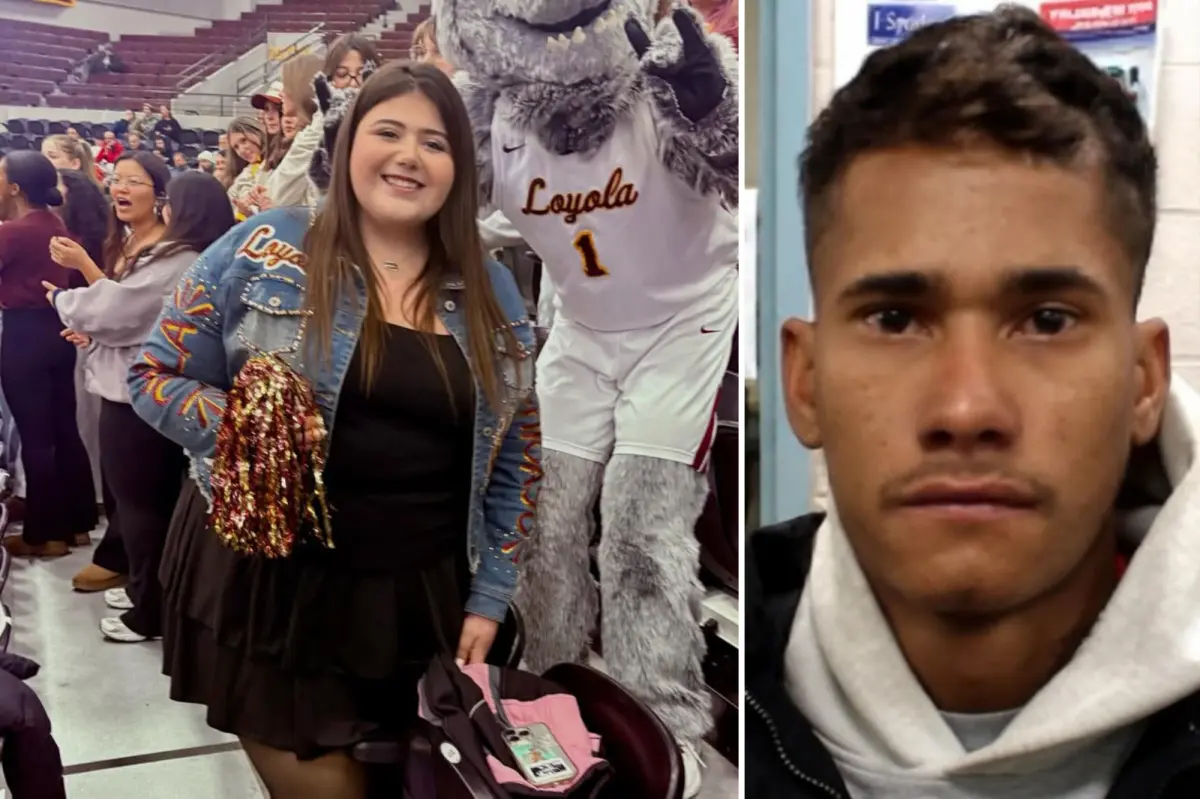
In the bustling heart of Chicago, a shocking tragedy unfolded that has rippled through communities far and wide, exposing fractures in how we discuss crime, immigration, and accountability. Loyola University Chicago’s student newspaper, the Loyola Phoenix, found itself at the epicenter of a storm after daring to report on the murder of 18-year-old freshman Sheridan Gorman. The accused killer, Jose Medina-Medina, a 25-year-old Venezuelan national, was accurately described in their initial headline as an “illegal immigrant,” a term sourced from the Department of Homeland Security. Gorman, a vibrant young woman walking with friends along the Chicago lakefront, was allegedly shot point-blank in the head by Medina-Medina in the early hours of Thursday. The Phoenix’s coverage seemed straightforward at first: “Immigrant man charged in murder of Sheridan Gorman, DHS involved.” But within minutes, sensitivity alarms blared, and the piece was yanked from the web. Editors scrambled to replace it with a more palatable version, labeling Medina-Medina simply as a “Rogers Park resident,” the Chicago neighborhood anchoring Loyola’s main campus where tragedy struck. This pivot wasn’t just a hasty edit; it was a calculated retreat, framed as an act of compassion to shield affected communities from what the newspaper deemed harmful language. Readers and critics worldwide watched in disbelief as the student journalists issued a lengthy editor’s note, claiming the original headline missed the story’s core—Gorman’s senseless death—and prioritized inclusivity over cold facts. It was a move that felt like tiptoeing through a minefield of modern sensitivities, where every word carries the weight of potential offense. The Phoenix’s apology underscored a broader cultural shift: “No human’s existence is illegal,” they proclaimed, nodding to progressive values while paradoxically acknowledging Medina-Medina was in the U.S. without legal permission. This dance between accuracy and empathy highlighted how even a student paper wrestles with the complexities of reporting on immigration in an era of heightened debates. As the sun rose on that fateful day, the story transformed from one of investigative journalism into a lesson in rhetorical gymnastics, leaving many to ponder whether truth could afford to be softened in the name of kindness.
Delving deeper into the changes, the editor’s note read like a confessional, a candid admission from the paper’s staff about their internal deliberations. They admitted pulling the headline “to prevent any further harm to affected community members,” a phrase that resonated with empathy but raised eyebrows among those who saw it as censorship. The original article’s body had leaned on DHS terminology, calling Medina-Medina an “illegal immigrant,” but this language clashed with both the Associated Press style guide and the Phoenix’s own ethos. The note elaborated that while they stood by the reporting, the choice of words didn’t align with their values of human dignity—no person, they insisted, could be deemed illegal. Yet, the piece still detailed Medina-Medina’s illegal stay, creating a paradoxical narrative that honored facts while condemning labels. This self-reflection extended to the broader implications of media portrayal, where immigrant stories often get tangled in political wars. The Phoenix didn’t shy away from noting Medina-Medina’s nationality nor his charges in Gorman’s execution-style killing, but they chose symbolism over specificity. Readers imagined the editorial board huddled in a dimly lit room, young faces furrowed in debate, weighing journalistic integrity against the fear of alienating peers or sparking outrage. The edit to “Rogers Park resident” painted a picture of Medina-Medina as just another neighbor, blending him into the local fabric rather than highlighting his outsider status. This human touch in journalism aimed to foster understanding, but it inadvertently sparked a backlash that questioned whether such sensitivity diluted the gravity of the crime. In a world where news cycles amplify divisions, the Phoenix’s u-turn became a microcosm of America’s struggle with how to humanize immigrants without excusing their alleged deeds—especially when those deeds involve taking a life.
The public’s response was swift and visceral, flooding social media with a torrent of anger that turned the apology into a punching bag. On platforms like X, formerly Twitter, users unleashed fury, labeling the Phoenix’s decision as absurd political correctness gone awry. One commenter raged, “If I were her parents, this would send me over the edge!”—a raw outburst echoing the sorrow of losing a child to violence, only to see the perpetrator’s identity softened. Another mocked the absurdity: “No dystopia could conjure the college-aged left as they are now. They surpass parody.” Here was the gut-punch humor of irony, pointing to a perceived generational gap where young journalists prioritized feelings over facts. A third piled on, calling it “apologizing to murderers” in a broad swipe at what they termed “wo WARRANTIES wake” ideology. These voices weren’t isolated; they swelled into a chorus of disillusionment, with many questioning whether acknowledging Medina-Medina’s immigration status was a form of bias or simply reporting the truth. The human element shone through in these posts—grieving strangers channeling Gorman’s parents’ pain, imagining the family’s heartbreak amplified by what felt like erasure. Skeptics argued that by scrubbing “illegal,” the paper invited sympathy for the suspect, potentially undermining justice for Gorman. The Phoenix remained silent in the face of repeated requests for comment, leaving the digital fray unchecked. This online backlash humanized the debate, transforming abstract discussions about language into personal reckonings with empathy’s limits. In the end, it underscored a divide: for some, the apology was a noble stand; for others, it was a betrayal of truth.
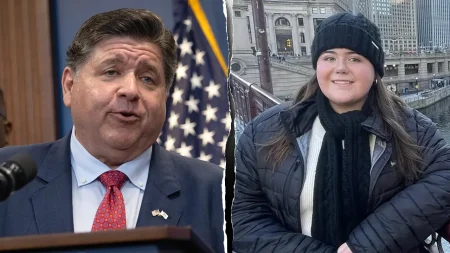
Amid the controversy, Chicago’s progressive leaders faced their own reckoning, accused of rushing to absolve Medina-Medina of blame in what many saw as a bizarre deflection from the facts. Alderwoman Maria Hadden, a key ally of Mayor Brandon Johnson, drew sharp criticism for her initial comments that painted Gorman as merely “in the wrong place at the wrong time.” She outrageously suggested Medina-Medina might have been “startled,” framing a cold-blooded shooting as a misguided reaction rather than premeditated violence. Picture the scene: Gorman, walking with friends by the lake, her identity hidden perhaps by a mask against the chill—only for Medina-Medina to approach and fire. Hadden’s words felt like a head-in-the-sand denial, minimizing the terror of that moment. By Tuesday, she backpedaled with an apology, but not without blaming “conservative media” for twisting her intent. It was a human faltering, revealing how even elected officials grapple with articulating sympathy without seeming to excuse atrocity. Mayor Johnson compounded the issue by refusing to apologize to Gorman’s parents for championing sanctuary city policies that kept Medina-Medina in Chicago. This steadfast stance highlighted the political tribalism at play, where ideology clashed with emotional reality. Critics accused these “woke Dems” of prioritizing immigrant protection over victim justice, turning a murder into a policy debate. The human cost was palpable: statements that could empathize with Medina-Medina’s background, like his Venezuelan origins and alleged border encounters, while ignoring Gorman’s shattered life. It was a reminder that in the heat of politics, personal tragedies often get sidelined, leaving families like the Gormans to bear the weight alone.
Zooming out, the White House threw gasoline on the fire, pinning the blame squarely on federal policies they deemed disastrous. In a pointed X post, they called the murder a “preventable tragedy,” linking it to Medina-Medina’s releases at the border in 2023 under the Biden administration. “Sheridan Gorman was murdered by an illegal alien released into the U.S. … a direct result of failed border & sanctuary city policies,” they asserted, invoking the Trump administration’s promise to avert such horrors. This narrative wove Medina-Medina’s story into a larger tapestry of immigration woes, where borders act as gateways to tragedy. Detained and released twice, potentially under catch-and-release protocols, Medina-Medina embodied the policy critiques hurled from both sides. The post ended with prayers for Gorman’s loved ones, a humane nod amid the partisanship. This added layer humanized the political blame game, showing how a single act of violence could spotlight systemic failures. Families watching the news might imagine migration stories of desperate Venezuelans fleeing crisis, but overlaid with the reality of Gorman’s death. The accusation against sanctuary cities like Chicago as enablers of crime resonated with those feeling the sting of urban violence, prompting calls for stricter enforcement. Yet, it also sparked defenses of humane policies, arguing that harboring the vulnerable doesn’t equate to enabling murderers. In this charged climate, Medina-Medina’s case became a symbol, not just a name— a man whose life crossed borders illegally, tangling with fate in a city that prided itself on openness. The human tragedy here was multifaceted: a young woman’s life extinguished, a migrant’s path to alleged violence, and a nation debating the cost of compassion.
Finally, at the heart of this maelstrom lie Gorman’s parents, whose grief pierces through the headlines like a mournful cry. Hailing from Yorktown Heights, New York, they paid a poignant tribute to their daughter on Sunday, sharing memories that paint her as a beacon of promise—full of life, dreams, and boundless potential. Her mother, Jessica Gorman, spoke with raw resolve to The Post, vowing to combat this injustice head-on and secure “justice” for Sheridan. The family’s words are etched with sorrow, a testament to the irreplaceable loss of an 18-year-old whose world was cruelly cut short while exploring Chicago’s vibrant scene. Imagine them clutching photos, voices trembling as they recount her passions—perhaps her studies at Loyola, her friendships, her untethered curiosity. This personal eulogy humanizes the entire saga, reminding us that behind the political firestorm is a family shattered, forever altered by Medina-Medina’s alleged act. Jessica’s pledge isn’t just rhetoric; it’s a mother’s fierce determination, a promise to channel pain into action against policies that enabled the killer’s presence. In the quiet aftermath, one can almost hear the echoes of Sheridan’s laughter, now silenced, contrasting sharply with the cacophony of blame. Her parents’ story urges empathy beyond ideology, calling on all to honor their daughter’s life by confronting the truths that led to her death. As the case unfolds, their voices stand as a solemn anchor, grounding the controversy in the profound humanity of loss and the unyielding quest for accountability.