





A Year After the Devastation: Los Angeles County Fires and the Long Road to Recovery
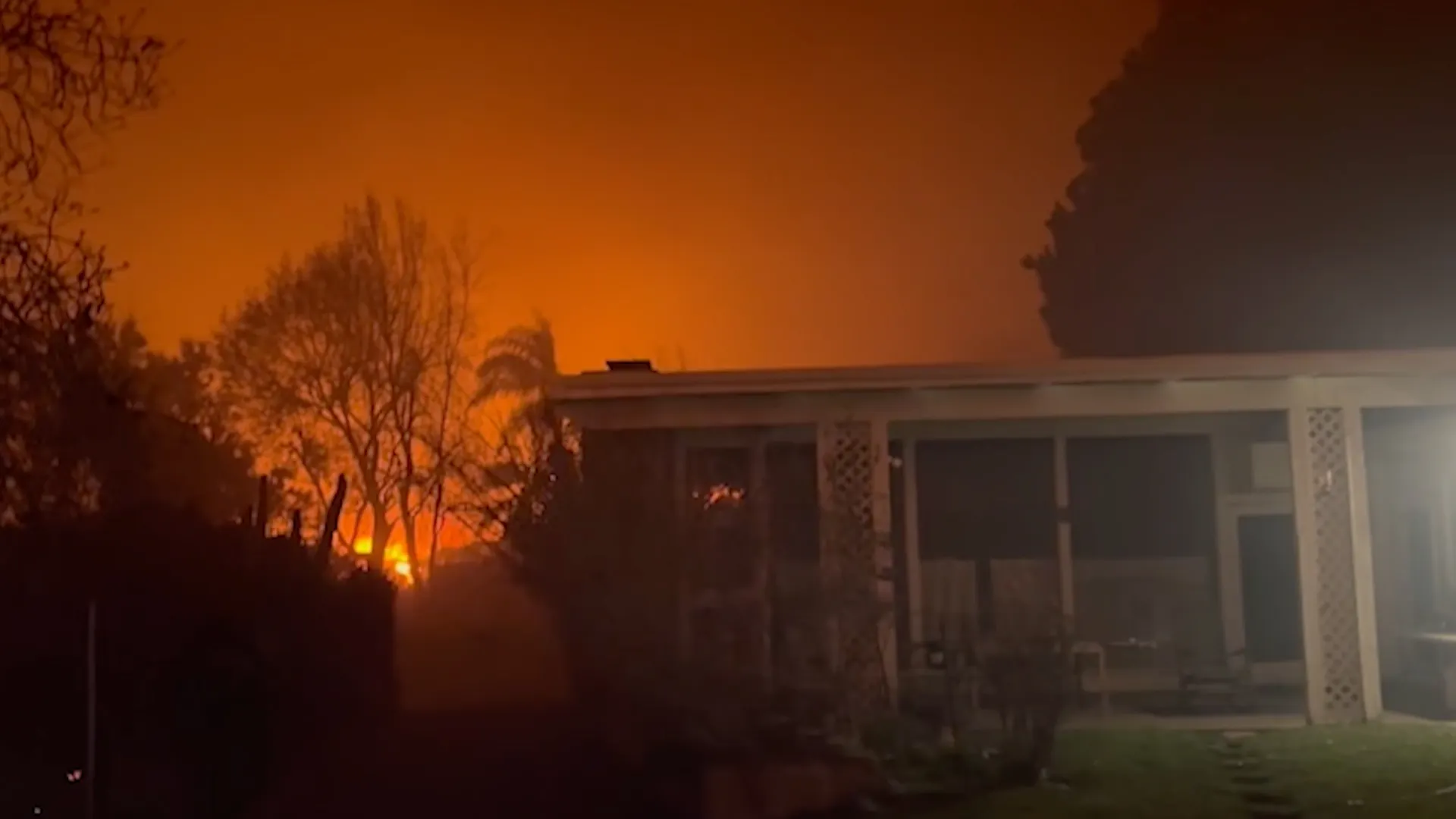
One year after two catastrophic wildfires ravaged opposite sides of Los Angeles County, thousands of families still find themselves far from complete recovery. The fires, which ignited just hours apart, burned relentlessly for a month, claiming 31 lives and destroying more than 16,000 buildings across the county. In Pacific Palisades and nearby Malibu, flames scorched 37 square miles over 31 days, reducing more than 6,000 structures to ashes – most of them family homes. Meanwhile, in Altadena, the Eaton Fire alone decimated over 9,000 buildings. Today, the aftermath remains painfully visible as many survivors navigate a complex maze of rebuilding permits, deal with contaminated properties, and struggle with displacement while yearning for the return of normalcy to their lives.
Some residents, like Nicole Gyarmathy, have found meaning in small acts of restoration, returning to the area near her former apartment to replant flowers and trees. “I’ve seen silver linings all day long,” she says, explaining that these efforts help her process loss while offering hope to others who return to find empty lots where their homes once stood. “People are coming up here to visit their lots that are empty. They see that, and it just brings them hope that, ‘Oh yeah, no, we’re not being left behind.'” These gestures of renewal stand in stark contrast to the anniversary of the fire, which many residents marked with protests and memorials that underscore the lingering anger and frustration felt throughout the community. The road to recovery has been notably uneven, with visible progress in some areas while others remain virtually untouched since the flames were extinguished.
Ken Ehrlich, an environmental lawyer who lost his home in the Pacific Palisades fire, vividly recalls arriving to find only the chimney of his house still standing. “We pulled up right on Sunset… hysterically crying and screaming at the site of our still smoldering property,” he recounts. “I literally screamed that we need to get out of here right now.” After months of uncertainty, Ehrlich’s property is finally nearing the construction phase – a significant milestone considering that, according to a Los Angeles Times analysis from December, fewer than 14 percent of homes destroyed in the Palisades have received permits to rebuild. The challenges extend beyond completely destroyed homes; many structures that survived the flames remain uninhabitable due to severe smoke, ash, and asbestos contamination. Despite these obstacles, Ehrlich remains determined to return to his neighborhood: “It’s who we are, and I don’t want to go anywhere else. My hope is wanting to come back to my home, wanting my family to come back, looking to the future, and really wanting the Palisades to come back better and stronger than it was before.”
Across the county in Altadena, the Eaton Fire unfolded under extreme conditions that complicated firefighting efforts. With crews already stretched thin battling the Palisades fire, 90-mile-per-hour winds grounded aircraft and caused the blaze to explode. Brian Childs now stands on his cleared property where nothing remains but empty land. He describes the night of the fire with haunting clarity: “It’s all you see, it’s black smoke going about 100 miles an hour and flames all around you.” His home initially survived the onslaught of flames before suddenly succumbing. “I sat right down across the street for about 15 minutes, called my wife and said, it’s gone,” he remembers. “And she was devastated.” Despite this profound loss, Childs looks forward with determination. His rebuilding plans are complete and permits are progressing, driven by a desire to preserve his family’s legacy: “I want to be able to leave this to my kids, and hopefully their kids.”
The recovery in Altadena highlights stark disparities in post-disaster resilience. According to city and county data, only ten homes have been rebuilt in Altadena so far, with Childs hoping his will soon join that number. But the situation is particularly dire for renters who lost their homes, many of whom remain displaced a year later. “The housing need remains deeply, deeply urgent,” explains Palin Ngaotheppitak, who works with Beacon Housing, a local nonprofit building long-term housing for low-income fire survivors. “We still see applications every day, from folks who are living in their cars a year after the fire.” This ongoing displacement crisis underscores the complex, long-term nature of disaster recovery and the particular vulnerability of renters, who often lack insurance protection and face a severely limited housing market.
Community resilience and mutual support have emerged as critical factors in the recovery process across both affected areas. Ngaotheppitak, who fled the fire with her children last year and still awaits progress on her own home, finds purpose in helping others through her work with Beacon Housing. “I think it’s even more important for a place like Altadena where the community ties are so strong,” she reflects. “We’re really looking out for our neighbors here. We are in this together.” This sentiment of collective recovery echoes throughout the affected communities, where neighbors help neighbors navigate the bureaucratic challenges of rebuilding, share resources, and provide emotional support. One year after the devastation, the path forward remains difficult, marked by bureaucratic hurdles, financial constraints, and the emotional toll of displacement. Yet amidst the charred landscapes and empty lots, signs of renewal are emerging – from Nicole Gyarmathy’s flower plantings to Ken Ehrlich’s construction equipment to Brian Childs’ approved building plans. These tangible steps toward rebuilding homes and restoring communities offer hope that, even if recovery is slower than many had expected, it is nonetheless progressing, one permit, one building, and one act of neighborhood solidarity at a time.