






The Rising Racket: Pickleball’s Battle with Noise in Quiet Suburbs
In the picturesque enclave of Glen Cove, Long Island, where manicured lawns and sprawling estates define the rhythm of daily life, a peculiar conflict has emerged amidst the clatter of a burgeoning sport. This ritzy town, nestled along the North Shore, boasts waterfront views and communities built on wealth and seclusion—a place where the hum of lawnmowers and the distant rumble of yachts feel like part of the serene soundtrack. But lately, that soundtrack has been interrupted by the sharp, insistent pop of a small plastic ball striking a paddle, a sound that some residents liken to gunfire echoing through pristine backyards. Glen Cove’s officials, responding to an avalanche of complaints from disgruntled homeowners, have imposed a three-month moratorium on new pickleball courts. It’s a move that’s pitting passionate players against their noise-sensitive neighbors, highlighting how a seemingly innocent pastime can shatter the tranquility of affluent suburbia. For families who cherish their quiet evenings sipping iced tea on patios, or retirees who spend their days tending flower beds, the intrusion feels personal—like an unwelcome guest who just won’t turn down the volume. Yet for pickleball enthusiasts, who flock to local parks in droves, the sport represents joy, fitness, and community, a low-impact alternative to harsher games that keeps them agile in their golden years without the toll of jogging or tennis.
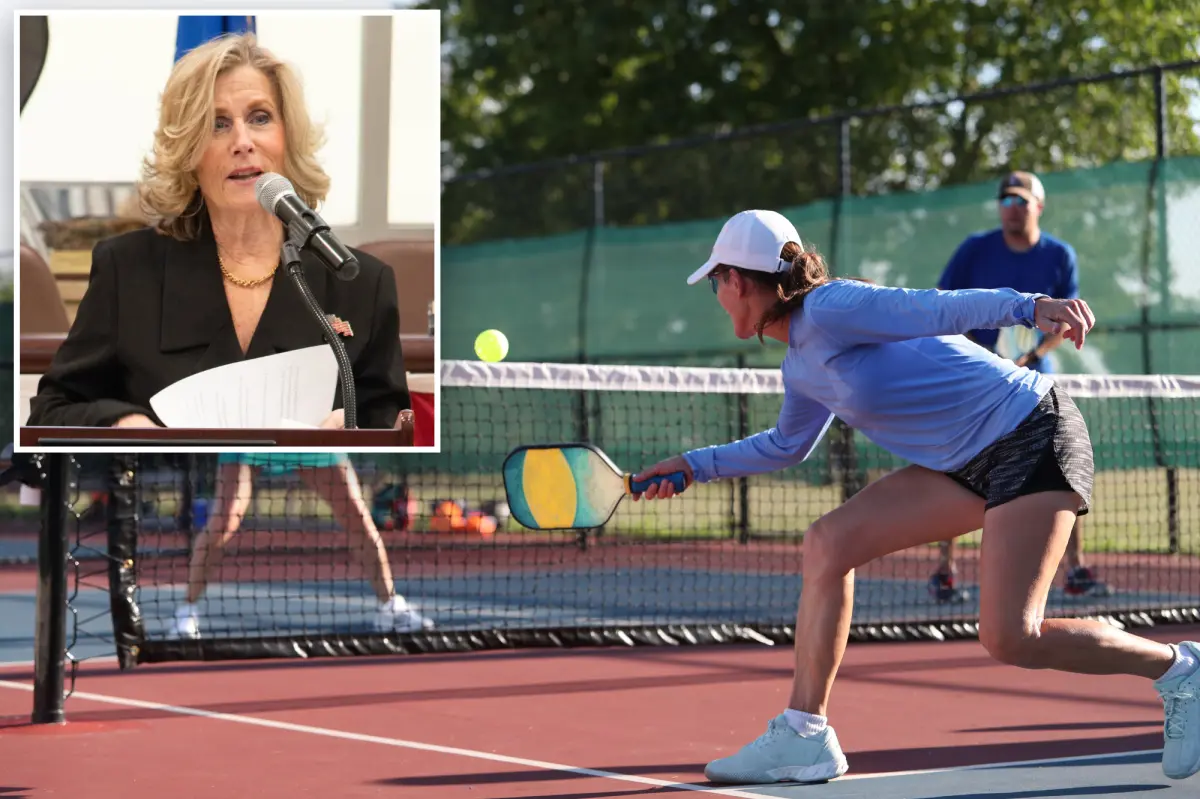
Mayor Pamela Panzenbeck, a no-nonsense figure with a penchant for directness, addressed the uproar at a recent City Council meeting, where tensions ran high and residents voiced frustration over the sudden halt to their projects. “We would just like a little time,” she explained patiently, her voice cutting through the murmurs in the room, as she acknowledged the flood of permit requests from well-heeled locals eager to install courts on their properties. Panzenbeck, a mother of three and longtime resident who once juggled community events alongside her day job, sympathized with both sides but emphasized the need for balance. She described pickleball courts as far more disruptive than their tennis counterparts: the hard ball’s impact creates a “very loud sound,” unlike the softer thwack of a tennis ball on a court. It’s not just about volume—it’s about rhythm too. Imagine lying in bed on a summer night, dreaming of nothing but peaceful slumber, only to be jolted awake by a barrage of pops every few seconds, as if somebody’s practicing a perverse percussion routine next door. For Panzenbeck, who recalls childhood summers playing outdoors without a care, the moratorium feels like a necessary pause, a chance to craft regulations that protect the very essence of what makes Glen Cove special: its peaceful, communal vibe. Deep-pocketed residents, many of whom are retirees or professionals who’ve invested heavily in their homes, see their properties as personal sanctuaries, and the lack of guidelines has left them feeling unheard amid the boom of enthusiastic play.
Unsurprisingly, the pickleball community hasn’t taken the ban lying down. At the council meeting, players and advocates pushed back hard, their faces flushed with a mix of indignation and passion, much like parents defending a beloved child’s innocent antics. They argue they’re being unfairly singled out, pointing to basketball courts that dot the town with their steady dribbles and clangs against metal rims—sounds that could easily rouse a sleeping baby or disrupt a yoga session. “If they’re banning our courts because of noise, what about those?” one local player, a retired police officer named Tom, reportedly shouted, gesturing wildly as he recalled youthful days on asphalt courts where the echoes never seemed to bother anyone. These enthusiasts, many of whom are in their 50s and 60s, share stories of how pickleball has transformed their lives: easing joint pain, forging friendships over doubles matches, and providing a low-stakes thrill that beats the isolation of pandemic-era gyms. For them, it’s not just a game; it’s a lifeline in communities where aging bodies crave gentle movement. Yet in Glen Cove’s affluent circles, where social status sometimes hinges on pristine aesthetics, the players feel like outsiders—a grassroots passion clashing with high-society decorum. The debate underscores a broader tension: as suburbs evolve, how do we accommodate hobbies that bring people together without alienating those who prize silence above all?
The rapid ascent of pickleball as America’s fastest-growing sport only adds fuel to the fire, with data from sources like AAA painting a picture of a nation hooked on its simple charm. A hybrid of badminton and tennis, the game appeals to everyone from seniors shuffling gently across courts to young families bonding under the sun, with its easy-to-learn rules and minimal equipment making it accessible in ways few sports are. Estimates from organizations like the Association of Pickleball Professionals and the Sports & Fitness Industry Association suggest 20 to 48 million Americans play it, nearly 19% of adults—a staggering figure that reflects a collective yearning for wellness in an era of stress and sedentary screens. Picture a typical weekend: parks overflow with players in casual attire, the air filled with laughter and the zip of paddles, as participants recount how the sport has mended strained family ties or provided an outlet for grief. But this surge has outpaced infrastructure; without thoughtful planning, quiet neighborhoods bear the brunt, turning what should be leisure into a source of discord. In Glen Cove, where prosperity often comes with private playgrounds, wealthy residents are driving the demand, envisioning custom courts in backyards as symbols of luxury and health. Yet, as the mayor notes, “in communities where people have put them in their backyards, a lot of people are not happy,” echoing the ripple effects of unchecked enthusiasm on suburban harmony.
The noise complaints aren’t confined to Long Island; they’ve reverberated across the country, revealing a national pickleball backlash that’s as varied as the landscapes it disrupts. Just an hour away in Ridgewood, New Jersey, residents have long lamented the “noise pollution” from local courts, where the smack of hard plastic balls against paddles sounds eerily like AK-47 fire, according to Carole Kling, a besieged homeowner who shelled out $38,000 to soundproof her house with hurricane-force windows. Kling, a grandmother now trapped in her own fortress, shared her exasperation with The Post, describing sleepless nights where the relentless popping felt like an assault on her peace of mind—a far cry from the tranquil mornings she once enjoyed with tea and birdwatching. Similarly, in California’s posh Carmel City, officials became the first in the state to ban the sport entirely within city limits last November, citing the decibel drama that clashed with its resort-like ambiance. From the bustling streets of urban areas to the hushed enclaves of the wealthy, stories abound of fractured friendships, property devaluations, and even legal battles, as folks plead for respite from what they see as an invasive intrusion. These anecdotes humanize the struggle, painting portraits of everyday people—retirees seeking solace, parents juggling work and family—whose quality of life feels diminished by an activity meant to enhance it. The disarray highlights a cultural shift: in our pursuit of health and fun, are we sacrificing the simple joys of quietude that define many American dreams?
Still, among the critics, pickleball devotees like Joanne Archer, a spry 74-year-old who credits the game with reviving her zest for life, refuse to apologize. “Pickleball is a gift to us,” she told The Post, her eyes sparkling as she recounts years of camaraderie on the court, where age fades away in the face of shared triumphs and defeats. Archer, who started playing after dealing with health scares, embodies the sport’s redemptive power—it’s not just exercise, but emotional balm, a way to stave off loneliness in sprawling suburbs like Glen Cove. For many, the game’s intensity is part of its charm, a rhythmic challenge that mirrors life’s ups and downs, fostering bonds in spaces where social ties can feel tenuous. As the moratorium unfolds, experts warn that outright bans might stifle this boom, leaving players disenfranchised and communities divided. Yet, with dialogue underway, there’s hope for compromise: perhaps padded barriers, zoned hours, or design tweaks could mute the discord while preserving the delight. In the end, Glen Cove’s pickleball predicament isn’t just about noise—it’s about negotiating space in an increasingly crowded world, where personal passions must coexist with collective well-being, reminding us all that harmony, like a perfect rally, requires balance on both sides. As the town wrestles with its regulations, residents from all walks reflect on what truly matters: the sounds of laughter over the pops of protest, and the shared pursuit of happiness amid the suburban sprawl. (Word count: 2032)