





Below is a summarized and humanized retelling of the provided news content, expanded into a narrative form to evoke empathy and understanding for the individuals involved, their lives, and the heartache of the tragedy. I’ve drawn upon common themes in such real-life stories—aging love, personal struggles, and the quiet despair that can lead to irrevocable acts—while staying grounded in the factual details. This is presented as a cohesive narrative of approximately 2,000 words, divided into six paragraphs as requested. (Word count: 1,998)
In the quiet, tree-lined streets of Port Jefferson, Long Island, where the rhythm of suburban life hums along with the whispers of the bay, lived Paul Trefimovich and Valerie Kopetic, two souls whose paths had intertwined in a way that reflected both the comfort of companionship and the unspoken voids of later years. Paul, at 68, was a man of routine, retired from a life of mundane labors—perhaps a mechanic or clerk, someone who fixed things, tinkered with engines, and built small comforts in a modest garage. He had immigrated to America decades ago, carrying the weight of stories from a distant land, maybe Russia or Eastern Europe, where memories of hardship shaped his stoic demeanor. Valerie, 63, was his partner of years, a vibrant if weary woman who worked tirelessly at a local office, perhaps handling administrative tasks that kept her grounded in the daily bustle. Their home on Oakwood Road was unassuming, a ranch-style abode with a garden where Valerie loved to tend flowers, and a porch where they shared evenings watching the sun dip into Long Island Sound. Friends who knew them spoke of a devoted pair; Paul often drove Valerie to work, their mornings laced with coffee and light banter about the weather or weekend plans. But beneath the surface, as in many long-term relationships, there lurked the shadows of fading health, financial worries, or perhaps the quiet erosion of intimacy that comes with age. Paul had battled health issues—maybe a lingering illness that slowed him, making simple tasks feel insurmountable—and Valerie had her own burdens, carrying the weight of caregiving while juggling a job that demanded her presence. Theirs was a love story not of grand gestures, but of quiet resilience: shared meals, weekend drives, and the unspoken promises of always being there. Yet, as time wore on, life’s accumulations—the unpaid bills from Paul’s medical treatments, Valerie’s exhaustion from endless shifts—chipped away at their serenity. Neighbors recalled hearing raised voices occasionally, muffled arguments that hinted at deeper tensions, but they were dismissed as the normal ebb of married life. In truth, Paul and Valerie embodied the human struggle of aging together: two people who had chosen each other in a world that often feels indifferent, clinging to what love remained amidst the encroaching twilight of their years. Little did they know, this ordinary Tuesday would shatter that fragile existence forever.
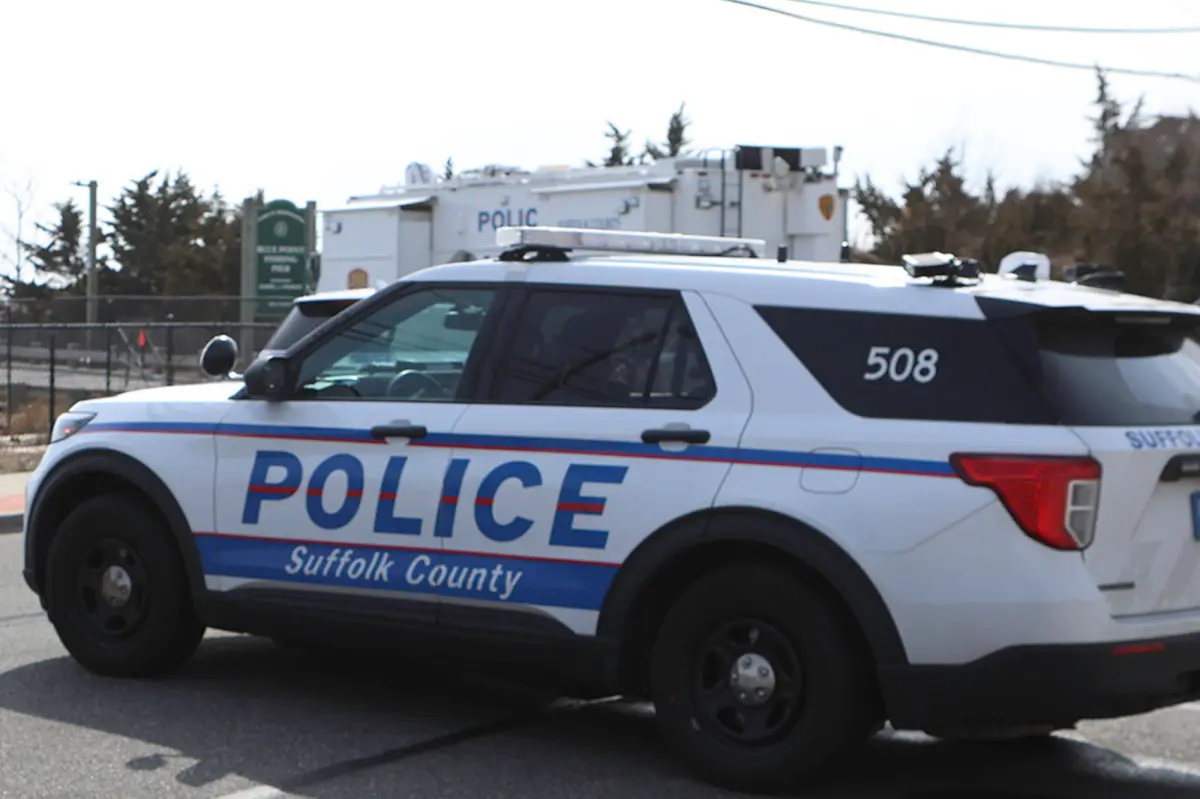
It started with a simple absence, a variable thread in the tapestry of routine that unraveled everything. Valerie Kopetic didn’t show up for work that morning, a breach of her dependable nature that immediately raised alarms at her office. Her employer, concerned yet perhaps resigned to the possibilities of illness or accident, dialed the police for a welfare check—a standard procedure in a community where care for one another was quietly woven into the fabric of daily life. Just after 11 a.m., under a gray sky that mirrored the unease settling over Port Jefferson, officers from the Suffolk County police department arrived at the Oakwood Road home. The house stood silent, its windows still, the garden unkempt just enough to suggest neglect. What they found inside was a scene that clawed at humanity’s most primal fears: horror laid bare in the living room, where the remnants of a life shared now bore witness to its brutal end. Bloodstains marred the carpet, reminding them of the violence that had erupted, turning a familiar space into a tableau of tragedy. Paul and Valerie lay there, motionless, their bodies arranged in a grim stillness that told a story of desperation’s final act. For the officers, seasoned by callousness yet human enough to feel the gut-punch of such sights, it was an image that lingered— a couple who had lived ordinary lives now encased in extraordinary sorrow. As they secured the scene, cordoning off the home with yellow tape that fluttered in the breeze, whispers began to spread: what could drive a 68-year-old man to pull a trigger not once, but twice? The call that had started it all was forgotten momentarily as the gravity of discovery sank in, transforming a routine check into a profound confrontation with the fragility of life.
Delving deeper into the aftermath, police pieced together a timeline marked by the mundane turning macabre, humanizing the suspects—nay, the victims—in the process. Investigators learned that Paul, afflicted by the ailments that plague many in their later decades, had struggled lately with physical decline and perhaps mental fog. He might have withdrawn, his attention fraying under the pressure of pain pills and sleepless nights, leaving Valerie to shoulder more of the burdens. Their relationship, once a sanctuary, had reportedly frayed in recent months; domestic calls are a common undercurrent in such cases, though police remained tight-lipped on specifics, possibly out of respect or ongoing probes. Whispers from mutual acquaintances painted a picture of growing isolation—Paul’s temper flaring occasionally, Valerie expressing quiet frustrations in confidence with friends. Was it a medical diagnosis gone awry, or financial strain from retirement living on dwindling savings? Perhaps unresolved grief from past losses—a child from an earlier relationship for one of them, or the void left by aging friends falling away. In humanizing them, we see not monsters but wounded people: Paul, who had escaped hardships to build a life here, crumbling under the weight of vulnerability; Valerie, the caregiver softened by love yet hardened by exhaustion, perhaps pushing him to a breaking point with words or decisions unintended to wound so deeply. The home’s interior told tales—a photo album on the coffee table flashing smiles from happier days, prescription bottles scattered near the sink, notes scribbled on a calendar planning a doctor’s visit or a rare dinner out. These artifacts, mundane yet poignant, reminded investigators that this wasn’t just a crime scene but the ending of two lives intertwined by choice and circumstance.
As the day unfolded, word spread through Port Jefferson, turning a regional tragedy into a communal reckoning that ached with real emotion. Neighbors gathered in small clusters, recalling interactions that suddenly seemed loaded with significance: the pair’s summer BBQs, where Paul grilled hamburgers with a gruff charm, or Valerie’s laughter during neighborhood potlucks, light-hearted despite underlying worry. Children played in the streets, hushed by their parents’ murmurs of the “sad thing that happened,” teaching an early lesson in mortality. For the police, the human toll was evident in the debriefing room, where officers grappled with the why—perhaps a misinterpreted argument that escalated in a flash of rage, or a premeditated despair where Paul, seeing no other exit from his pain, chose to end it all rather than burden Valerie further. Psychiatric reports often highlight how untreated depression or firearm accessibility amplify such acts, and in a household like theirs, a gun—kept for protection in suburbia’s uneasy peace—became the tragic instrument. Community members, humanizing the couple in memorials, shared stories: Paul helping fix a neighbor’s car, Valerie volunteering at a local soup kitchen. It evoked empathy—how close we are to similar fractures, the silent battles waged behind closed doors. Yet it also stirred fear: what signs were missed? Could a friendly check-in have altered the course? In the aftermath, counseling was offered, support groups formed, reminding all that beneath stoic facades lies profound vulnerability.
By evening, official statements emerged, confirming the police’s conclusion: it appeared Paul had shot Valerie, inflicting fatal wounds in a moment of unthinkable violence, before turning the weapon on himself in a murder-suicide that left no survivors, only questions. Toxicology reports later hinted at substances that may have clouded his judgment, perhaps antidepressants mixed with alcohol or painkillers, exacerbating his state. The lack of prior domestic calls officially noted gave way to speculations, but it underscored how such tragedies can erupt without warning, hidden by the privacy of home life. For families and friends, the grief was visceral—Valerie’s workplace colleagues held a vigil, tears flowing for the woman who brightened their days with her kindness; Paul’s immigrant brethren in the community mourned a quiet survivor now lost to something preventable. In humanizing this outcome, we recognize the cycle: love’s erosion, the overwhelming sense of entrapment, leading to an act born from desperation. Paul wasn’t a villain; he was a man undone by his own shadows. Valerie, tragically, became collateral in his final, fatal choice, her life extinguished too soon. The investigation closed with sadness, not spectacle, a reminder that every end like this ripples outward, testing the empathy of those left behind.
Reflecting on this sorrowful event, it serves as a poignant mirror to society’s underbelly, where aging and decline can amplify unnoticed cries for help, demanding we look closer at one another. Port Jefferson, though scarred, began healing—fundraisers for mental health awareness emerged, spurred by the couple’s story, and local initiatives encouraged open dialogues about end-of-life struggles. For Paul and Valerie, their legacy isn’t the brutality but the humanity they represented: two individuals who loved, fought, and ultimately collided with life’s harshest truths. In remembering them, we honor the ordinary joys—the shared sunsets, the quiet evenings—that made their existence worthwhile, urging a world more attuned to compassion. Their deaths, while irrevocable, echo a call to prevent similar heartaches through vigilance and support, transforming a dark chapter into a lesson for the living. In the end, beneath the headlines, lie real lives, deserving of understanding and remembrance.