







New York City’s New Tenant Advocate Sparks Political Debate Amid Controversial Past Comments
In the whirlwind of New York City politics, newly appointed Director of the Mayor’s Office to Protect Tenants, Cea Weaver, has become the center of a heated debate that reveals deeper divides in the city’s approach to housing policy. Mayor Zohran Mamdani’s selection of Weaver, a longtime tenant rights advocate with ties to the Democratic Socialists of America (DSA), has drawn passionate support from progressive allies while igniting criticism from real estate interests and conservative voices. The controversy stems from Weaver’s past social media posts, including statements describing homeownership as “a weapon of white supremacy” and suggesting that housing should be “worthless to some degree” – comments that have raised eyebrows across the political spectrum but that her supporters frame as taken out of context from her broader advocacy work.
The DSA and Mamdani’s allies have rallied around Weaver, framing the criticism as a desperate attack from real estate interests threatened by a shift in power dynamics. “The real estate industry is panicking because they know we are in a new era where organized tenants and workers have power,” declared the city’s DSA chapter on social media, suggesting the criticism was merely a “desperate right-wing attack.” Morris Katz, who served as a top advisor during Mamdani’s campaign, argued that New Yorkers are “lucky to have her serving in city government,” highlighting her tireless work to address the housing crisis and protect vulnerable tenants. This defense comes as Mayor Mamdani, himself a DSA member, faces his first major political test just one week into his tenure, with the Trump administration issuing warnings and some calling for Weaver’s removal before she’s even settled into her role.
The controversy centers on several archived social media posts from Weaver that express radical views on property ownership and housing policy. In 2018, she wrote, “There is no such thing as a ‘good’ gentrifier, only people who are actively working on projects to dismantle white supremacy and capitalism and people who aren’t.” Later that year, she posted, “Impoverish the white middle class. Homeownership is racist/failed public policy.” During an online forum in 2021, she expressed that “our goal is to have housing actually be worthless to some degree.” While Weaver has acknowledged some of these remarks as “regrettable,” Mayor Mamdani has stood firmly behind his choice, twice affirming this week that she is the right person for the position based on her extensive background in housing advocacy, suggesting that isolated statements should not overshadow her qualifications and commitment to addressing the city’s housing challenges.
The support for Weaver extends beyond the mayor’s office to include several state lawmakers who have worked with her throughout her career. State Senator Gustavo Rivera described her as the “real deal” and “a trusted & proven tenant champion who is extremely qualified for the job,” dismissing the criticism as a smear campaign orchestrated by real estate interests. Assemblyman Robert Carroll credited Weaver with helping to pass the state’s 2019 Tenant Protection Act, characterizing her as “a relentless but respectful advocate” whose old social media posts were being cherry-picked by critics. Assemblywoman Phara Souffrant Forrest added that Weaver’s advocacy has helped thousands of people live in safe and affordable housing, bluntly telling critics to “back all the way off” – a testament to the passionate defense Weaver has inspired among progressive lawmakers who see her work as essential to addressing housing inequality.
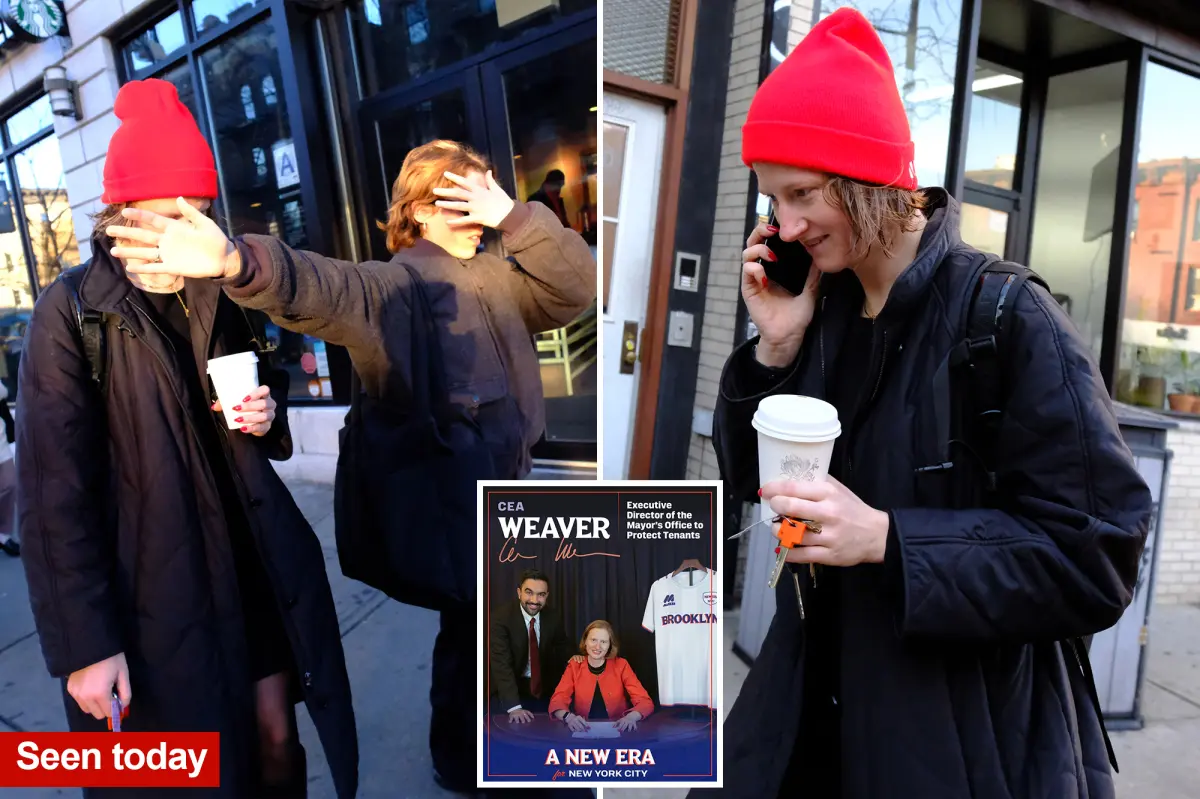
The personal background of Weaver has also become part of the conversation, with some pointing to apparent contradictions between her anti-capitalist rhetoric and her privileged upbringing. Reports indicate that Weaver attended Bryn Mawr College, an exclusive private institution where annual costs now approach $88,000, before continuing her education at New York University. Her mother reportedly owns a $1.6 million home in Nashville and works as a professor at the prestigious Vanderbilt University. These details have been highlighted by critics questioning the authenticity of her radical stance against property ownership and capitalism, though supporters would argue that her background doesn’t diminish her commitment to housing justice or her expertise in tenant advocacy. The media has captured Weaver’s varying responses to the controversy, from breaking down in tears when confronted by reporters one day to chatting and smiling outside her Crown Heights apartment the next, illustrating the personal toll of being thrust into a politically charged spotlight.
The debate surrounding Cea Weaver’s appointment represents more than just a personnel dispute – it encapsulates fundamental disagreements about housing policy, property rights, and the proper role of government in addressing inequality. For Mamdani and his progressive allies, Weaver embodies a bold approach to tenant protection that challenges established power structures and prioritizes housing as a human right rather than a market commodity. For her critics, her past statements raise concerns about ideological extremism influencing city policy and potentially threatening property rights. As this political drama unfolds, New Yorkers are witnessing a stark illustration of the tensions that arise when radical activism meets institutional governance – a tension that Mayor Mamdani will need to navigate carefully as he attempts to translate his progressive vision into effective policy while managing relationships across the political spectrum. The administration’s unwavering support suggests Weaver will remain in her position despite the controversy, setting the stage for what promises to be a transformative – and contentious – approach to tenant protection in New York City.