





FBI Arrest Gang Member for Theft During Minneapolis Unrest
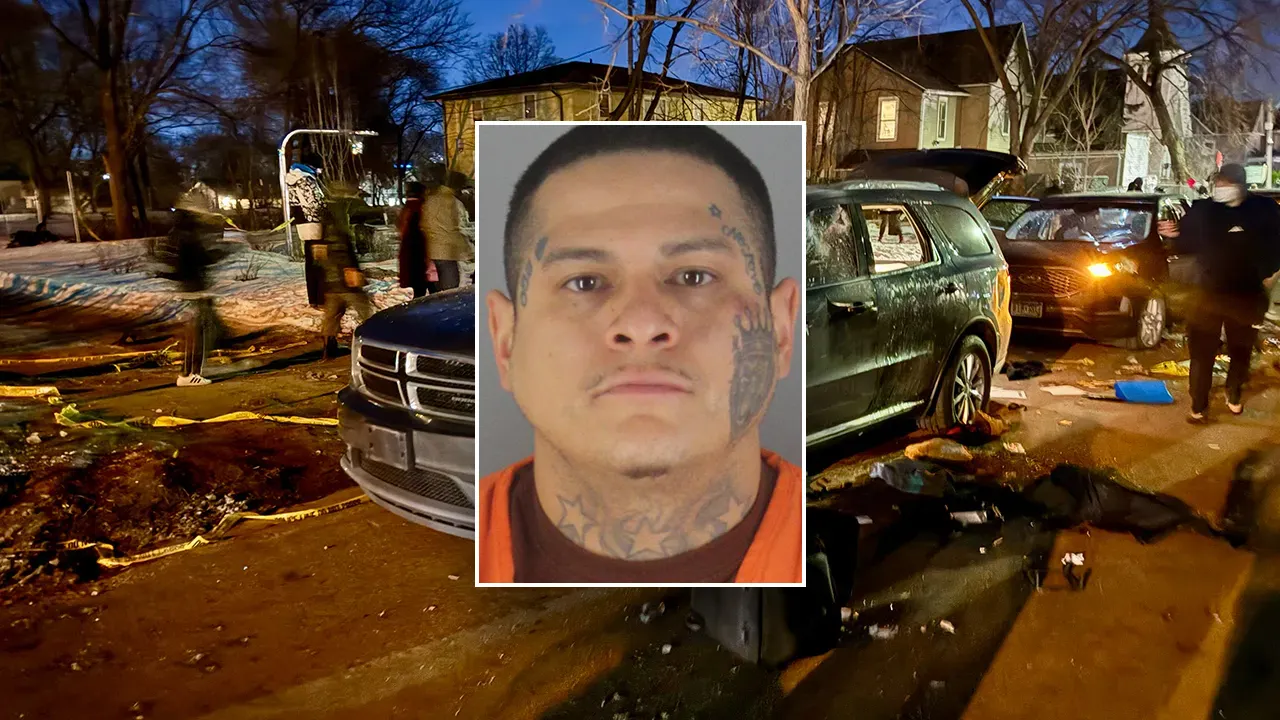
In the wake of ongoing tensions in Minneapolis, federal authorities have arrested Raul Gutierrez, a 33-year-old member of the Latin Kings gang, for allegedly stealing government property from an FBI vehicle during Wednesday night’s unrest. The arrest came as part of a joint operation between the Department of Justice and the Bureau of Alcohol, Tobacco, Firearms and Explosives, highlighting the serious response to what authorities describe as attacks on federal personnel and property. According to FBI Director Kash Patel, multiple government vehicles were vandalized while agents were responding to a reported assault on a federal officer, with Gutierrez allegedly taking advantage of the chaos to steal federal property from one of the vehicles.
The situation reflects the increasingly complex relationship between law enforcement and protesters in Minneapolis, a city that has been at the center of debates around policing and immigration enforcement. Attorney General Pam Bondi noted that Gutierrez allegedly stole FBI body armor and weaponry, describing him as having a violent criminal history. Her comments underscored the security concerns that arise during periods of civil unrest, particularly when federal agents are deployed. “This criminal is a perfect example of what our brave federal law enforcement agents are up against every day as Minnesota leadership ENCOURAGES lawbreaking,” Bondi wrote on social media, reflecting the political tensions that often surround these events.
These incidents occurred against the backdrop of protests that erupted following an Immigration and Customs Enforcement operation in Minneapolis. The Department of Homeland Security reported that an ICE agent had shot an undocumented Venezuelan immigrant in the leg after what they described as an ambush involving a shovel attack. This incident itself became a flashpoint for demonstrations, bringing together issues of immigration enforcement and use of force by federal agents. The overlapping crises – immigration enforcement operations, protests, and the subsequent theft of federal property – illustrate the multifaceted challenges facing both law enforcement and communities in addressing complex social and political tensions.
FBI Director Patel made it clear that authorities would be pursuing others involved in the vandalism and theft, promising more arrests to come. “Any individual who attacks law enforcement or vandalizes federal property paid for by hardworking taxpayers will be found and arrested,” he stated on social media. Similarly, White House Border Czar Tom Homan confirmed on Fox News’ “The Ingraham Angle” that the individual who stole the firearm from the FBI “is now wearing a set of handcuffs in custody,” while warning that “others are coming.” These statements reflect the federal government’s determination to assert control and accountability in the face of challenges to its authority.
The Minneapolis unrest represents a continuation of tensions that have periodically erupted in American cities in recent years, often centered around law enforcement actions involving minority communities or immigration enforcement. The involvement of a Latin Kings gang member in this incident adds another layer to the narrative, potentially complicating public understanding of the protests and their participants. While some view these events through the lens of legitimate civil disobedience against perceived injustice, others emphasize the criminal opportunism that can emerge during periods of social disorder, as allegedly demonstrated by Gutierrez’s actions.
As federal authorities continue their investigation and potentially make additional arrests, the Minneapolis situation serves as a microcosm of broader national debates about law enforcement, immigration, protest rights, and public safety. The theft of body armor and weaponry from federal agents represents not just a criminal act but raises serious security concerns about where such equipment might end up and how it might be used. Meanwhile, local communities continue to navigate the complex aftermath of these events, balancing concerns about both over-policing and public safety, while federal authorities assert their determination to maintain order and hold accountable those who target law enforcement or government property during periods of unrest.