


The Traffic Stop that Sparkled Controversy
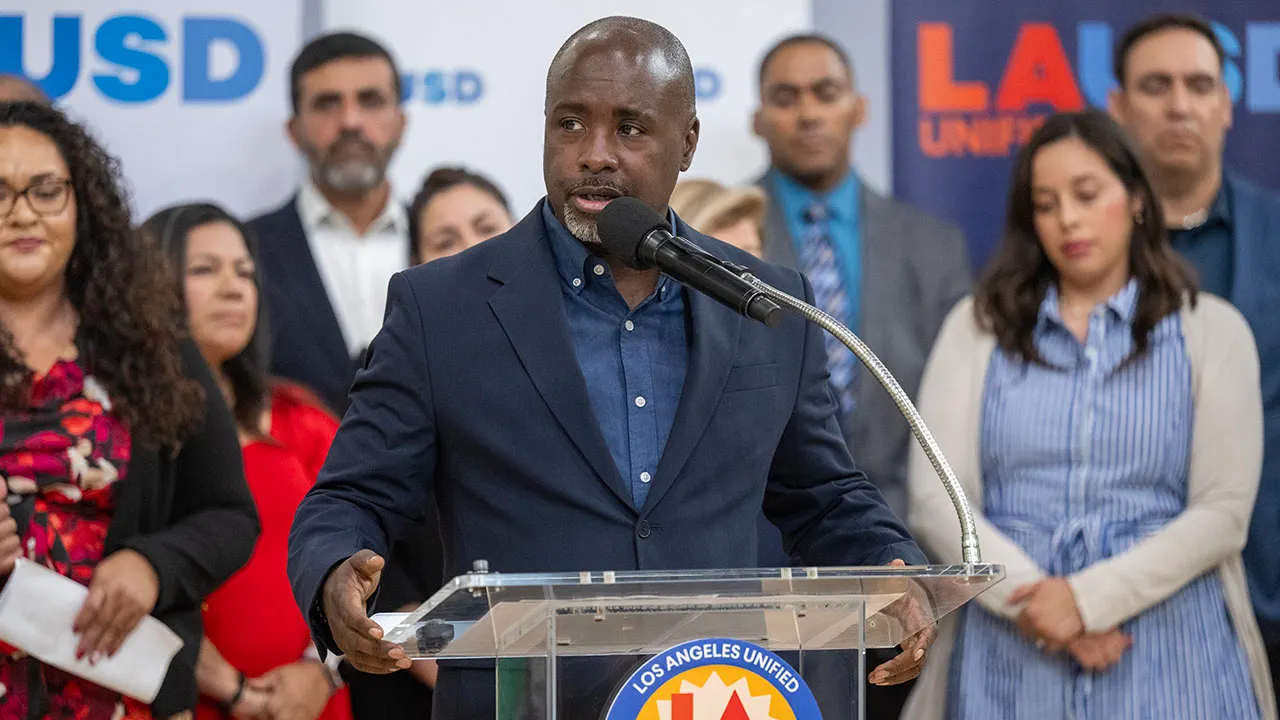
Picture this: It’s a busy morning in Los Angeles, right around school drop-off time. City Council President Marqueece Harris-Dawson, a prominent figure in the city, is driving his government vehicle to a committee meeting. Suddenly, he’s pulled over by an LA School Police officer for making an illegal U-turn in a school zone. Harris-Dawson, who is Black, feels like he’s reliving a bad memory. He claims it’s possible racial profiling, part of a pattern he’s experienced before—four times while behind the wheel of a city car. The officer issues him a $238 citation, and things escalate quickly.
The Alleged Call for Influence
As the story unfolds, the Los Angeles Police Protective League (LAPPL), representing rank-and-file cops, gets wind of something intriguing. Reports suggest Harris-Dawson might have called a Los Angeles Unified School District official during the stop. Imagine using your high position to potentially dodge accountability for reckless driving near kids—that’s the concern. It’s like pulling strings to skip a ticket everyone else pays. The LAPPL isn’t mincing words: they want answers on who was called and what was said.
Union Demands Accountability
In provocative letters to City Attorney Hydee Feldstein Soto and LA County District Attorney Nathan Hochman, the LAPPL urges a “thorough and transparent investigation.” LAPPL President Ricky Mendoza calls it “unethical and potentially illegal” to wield power for personal favors. He stresses that if this powerful elected official bent the rules, he should face justice just like anyone else. It’s a cry for fairness in a system where trust in leaders matters deeply.
Harris-Dawson’s Personal Tale
Harris-Dawson opens up at a recent council meeting, relaying how traumatic the stop felt, echoing a painful incident from his 16th year. He recounts the questions: Roll down the windows, how did you get this car, what city job do you have? He had to explain his role as council president on a busy corner. He highlights data showing racial bias in LA’s traffic stops, painting a picture of inequality that hits home for many.
Calls for Transparency
The LAPPL isn’t alone; they want the public to know the details—who got called, what promises were made, if anyone pressured the officers. This isn’t just about one ticket; it’s about maintaining public trust in city leaders. Mendoza points out the irony: a councilman pushing anti-police sentiments on one hand while possibly benefiting from connections on the other.
Echoes of Past Scandals
This incident mirrors stories like the Texas judge booted from a rodeo for similar disputes, or a lawmaker disputing bodycam footage while claiming immunity. No responses from Harris-Dawson’s office, the city attorney, or the DA as of now. It’s a reminder that in the world of politics, power plays can lead to heated debates, and folks are watching closely to ensure everyone plays by the same rules. (Word count: 498)