





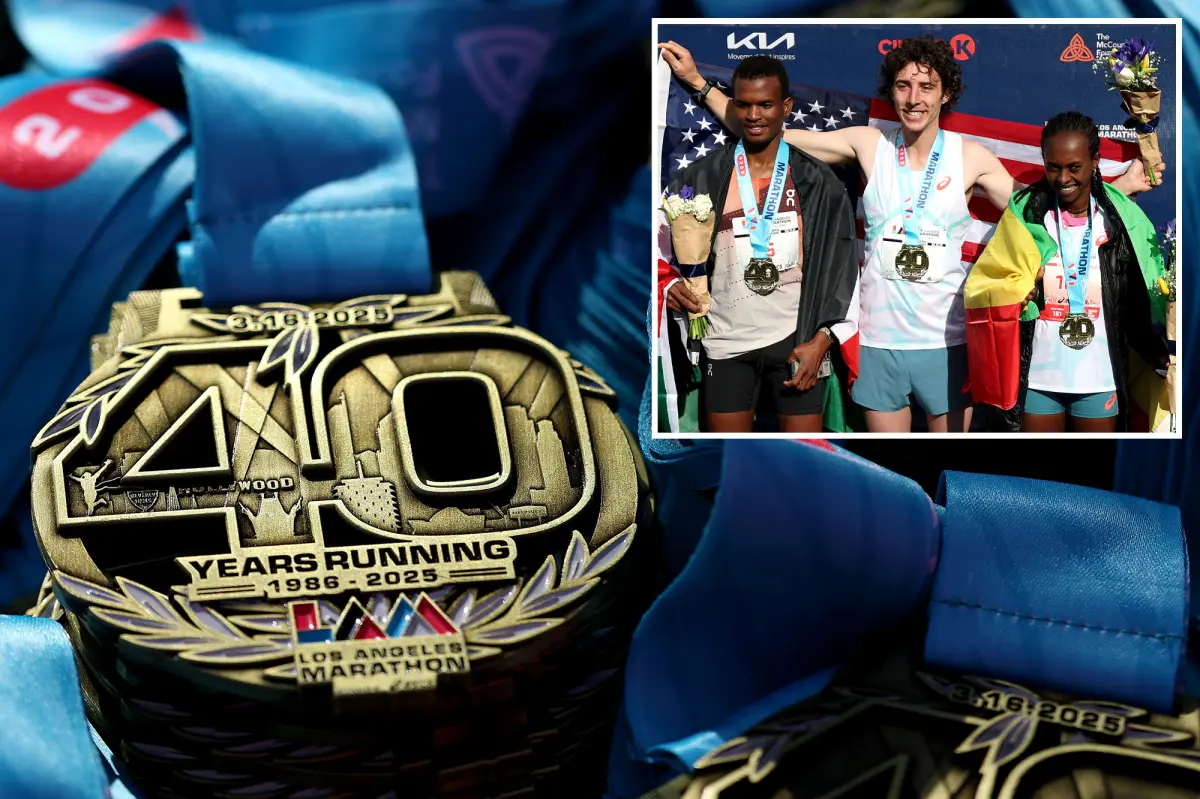
The LA Marathon often brings out the best in human spirit, with thousands of runners chasing their dreams through the iconic streets of Los Angeles, from Dodger Stadium to the glitzy Boulevard of the Stars. But this year, organizers threw a curveball that’s got everyone talking—and not everyone is cheering. Picture this: in what started as a bid to prioritize safety amid scorching temperatures forecasted to hit over 80 degrees, the event introduced not one, but two finish lines. Yep, you heard that right—runners can bail out early at mile 18 and still snag their finisher’s medal, no questions asked. It’s a move that’s meant to be compassionate, recognizing that not every body is built for the full 26.2 miles, especially on a hot day when dehydration and heatstroke lurk like unwelcome shadows. The McCourt Foundation, the charity behind the race inspired by the 1984 Olympics, announced this rule change just two days before the event on their website, emphasizing that it’s a one-time deal for 2023. They framed it as empowering runners to listen to their bodies, without any judgment—after all, setting off on a marathon is brave enough, and pushing through extreme heat could turn bravery into foolhardiness. For those having a “tough day,” as they put it, the option to veer off at mile 18 feels like a lifeline, allowing participants to prioritize health over ego. It’s a reminder that marathons aren’t just about crossing that finish line; they’re about the journey, the joy of pushing limits, and sometimes, knowing when to step back. Imagine the relief for a runner who’d trained for months only to face blistering sun—being able to cut short without penalty might just make the whole experience more inclusive, turning a potentially grueling ordeal into a story of wisdom and self-awareness.
Delving deeper into how this works, the early finish is designed with simplicity in mind, ensuring no bureaucracy or shame derails the decision. Runners don’t need to alert anyone; they can just take the turn at mile 18, guided by clear signage reading “Charity Half Finish / Charity Half Split” on the left side of the road, flanked by cones and barriers that steer them toward a safe out. It’s not about cheating the system—organizers stress that finishing early doesn’t diminish the medal’s value or the personal achievement. In fact, official results get updated later to reflect the actual time and distance covered, so everything stays honest and transparent. This approach stems from genuine concern, backed by ongoing weather monitoring in partnership with the LA Fire Department and the National Weather Service. They’ve been tracking forecasts for over a week, adjusting plans as hotter temps appeared on the radar. Spokesperson Meg Treat from Treat Public Relations highlighted how safety was paramount, with communications sent out to runners about hydrating, pacing, and staying alert on race day. It’s heartwarming to think about the behind-the-scenes efforts to make the event welcoming for all levels, from elite athletes to first-timers—those who might otherwise drop out without fanfare can now exit gracefully, perhaps even with a support volunteer’s high-five. Over 27,000 people have signed up for the “Stadium to the Stars” excitement, weaving through vibrant neighborhoods like Chinatown, Little Tokyo, Echo Park, Hollywood, and Beverly Hills, ultimately heading to Century City. The marathon’s history speaks to its resilience; past events have been canceled or rescheduled due to weather woes, proving organizers aren’t afraid to adapt for safety.
Yet, as with any bold change in tradition, this new policy has sparked heated debates, particularly erupting on social media where opinions flow freely like marathon energy gels. Detractors argue it blurs the lines between completing a race and opting out partway, with one X user sarcastically questioning if they could apply for a medal by mail without running a step. GOP district chair Lisa Cusack tweeted sharply that it allows “people who don’t finish the marathon to identify as those who do,” poking at the perceived dilution of accomplishment. Others echoed frustrations, predicting a slippery slope where quitting gets glorified as bravery, lauding the “emotional strain” of stopping early. It’s fascinating how this divides people—some see it as progressive, celebrating mental health and bodily autonomy in sports, while critics view it as undermining the ethos of perseverance that defines marathoning. Ever the equalizer, Twitter brimmed with trolls joking about mailing in times or stopping at mile 1 for a medal, but beneath the humor lies a valid point: if heat forces an exit, that’s fair game, but rewarding partial efforts might cheapen the thrill of going the distance. In a world where social media amplifies every grumble, this has turned the LA Marathon into a real-time culture war, with users weighing in passionately. Many acknowledged the safety aspect, saying they’re “all for it” but couldn’t stomach the medal for less than full mileage—it just doesn’t sit right, like handing out basketball trophies for showing up to practice. Others defended it fiercely, sharing stories of friends who’ve battled heat exhaustion, arguing that health comes first and traditions evolve. It’s a human discussion, reflecting how we value grit versus practicality in today’s society.
Navigating the marathon’s storied route, it’s easy to get lost in the spectacle that makes it uniquely LA-glam. Starting at Dodger Stadium, the buzz of baseball fans morphs into runner cheers as the pack surges through eclectic districts, each mile telling a story of endurance and local flavor. From the aromatic streets of Chinatown to the historic vibes of Little Tokyo, then up through the artistic enclaves of Echo Park and the twinkling Hollywood Hills, the course is a mini-tour of the city’s soul. Participants witness rock ‘n’ roll dreams unfolding in real-time, passing by landmarks that scream Hollywood royalty before winding into the upscale elegance of Beverly Hills. The final stretch into Century City, culminating on Santa Monica Boulevard at Avenue of the Stars, is where legends are made—or in this case, where easy outs are offered. For those choosing the early finish, the decision can be spontaneous, opting in at any moment without hassle, making it feel empowering rather than defeating. Runners might pause, assess their energy, and think about family waiting at home or the long-term health implications, all while passing by cheering spectators waving signs like “You’ve got this!” It’s this human element—the personal narratives unfolding on asphalt—that makes the LA Marathon more than a race; it’s a communal experience where strangers become silent cheerleaders for each other’s wellbeing.
Balancing empathy and tradition, the early finish option underscores a broader shift in how we approach endurance sports, prioritizing inclusivity in an era of heightened heat waves and health awareness. Organizers like the McCourt Foundation, dedicated to neurological disease charities, seem to view it as a pragmatic evolution, ensuring the event remains sustainable for future years. They’ve communicated transparently, urging runners to make smart choices, hydrate obsessively, and leverage portals if needed—all while celebrating those who soldier on. Online chatter has highlighted mixed feelings, with some praising the courage to adapt and others lamenting a loss of purity in sport. As athletes lace up tomorrow, they’ll carry this fresh dilemma, weighing pride against prudence. It’s a testament to humanity’s contradictions: we crave the glory of completion yet honor the strength to know limits. For over 27,000 registrants, the day promises highs and lows, stories of triumph and retreat, all under the California sun. In the end, whether crossing at mile 18 or 26.2, every participant contributes to the marathon’s magic, reinforcing that true victory lies in the choice to run at all.
And if you’re itching to dive deeper into LA’s vibrant scene or follow the excitement, why not download the California Post app or hop on our social channels? Connect with us on Facebook, Instagram, TikTok, X, YouTube, WhatsApp, and LinkedIn for the latest buzz, or subscribe to our newsletters to stay in the loop—ranging from sports highlights to Hollywood gossip. Whether you’re into California Post Sports or our opinion pieces, we’ve got you covered. For that home delivery subscription or a sign-up to Page Six Hollywood, it’s all just a click away. Together, let’s celebrate the stories that define LA, from marathon finishers to everyday heroes making waves in the City of Angels. This year’s LA Marathon isn’t just about miles; it’s about the resilience that keeps us moving forward, no matter where we stop. So, lace up, stay safe, and remember—every stride counts, even if it’s to a different finish line. With over two decades of history behind it, the race continues to evolve, mirroring our society’s growing emphasis on mental health and bodily care. Runners might joke about mailing in their efforts, but deep down, they know this option preserves the joy of participation, ensuring more people can say they ran LA, not just attempted it. As temperatures soar, the mantra shifts: it’s not about how far, but how wisely we go. And in a city that’s all about second acts and reinventions, this change might just inspire the next generation to hit the pavement with courage and common sense. Who knows, a few years from now, early finishes might become standard, a badge of honor in endurance sport’s evolution. For now, though, it sparks lively debates, uniting us in our shared humanity as we root for safe, spectacular finishes—all while debating the finer points on our feeds. Truly, the LA Marathon captures the pulse of progress, blending tradition with innovation in a way that’s quintessentially Californian.