





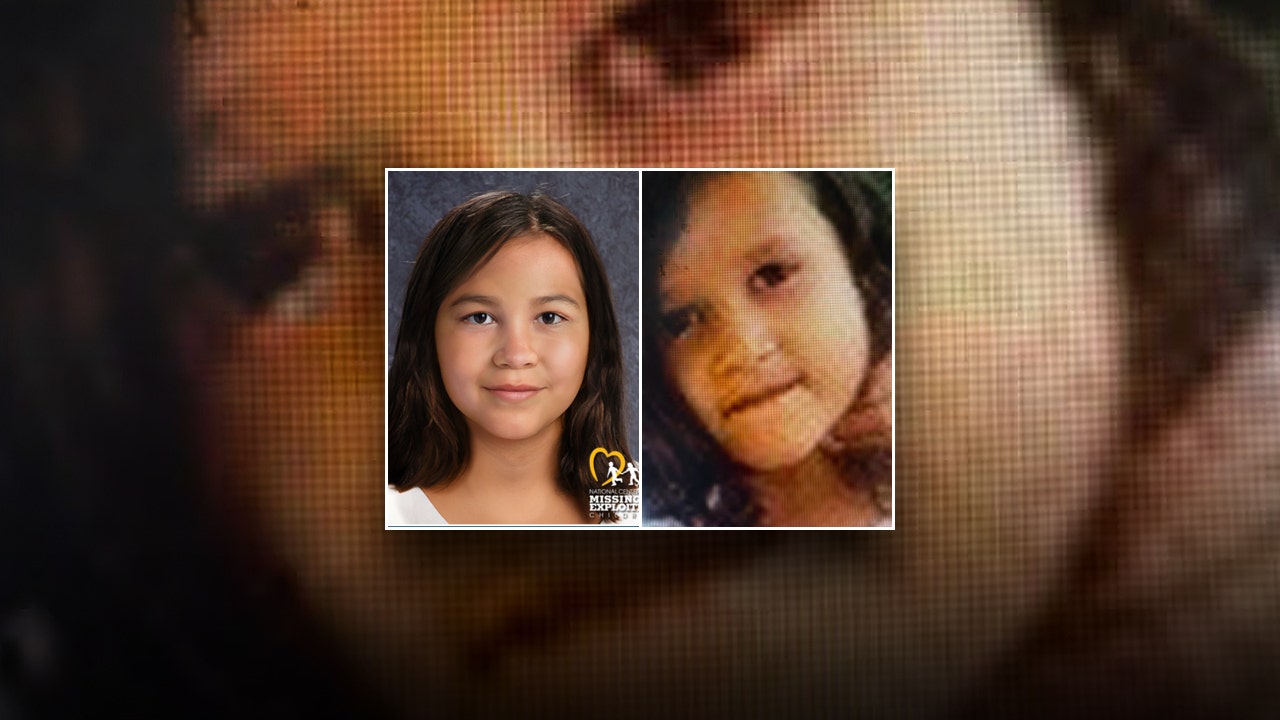
In the quiet suburban streets of Duarte, California, a young life took an unimaginable turn early in the morning of June 2, 2020. Little five-year-old Alina—though we’ll call her by a placeholder name here to respect anonymity—disappeared without a trace. Her mother, who had primary custody, simply vanished along with her, cutting off all communication with child welfare workers from the Department of Children and Family Services (DCFS). The Los Angeles County Sheriff’s Department was left scrambling, piecing together a puzzle of neglect and possible abduction. Alina’s absence wasn’t just a missing person’s case; it tied into an ongoing DCFS investigation into her family’s stability, raising alarms that something sinister might be at play. For the community, it was a heartache that rippled outward—a beautiful, innocent child with bright eyes and untold potential, now lost in the shadows. Parents in the area kept their own little ones close, wondering how such a thing could happen in their seemingly safe haven. The National Center for Missing and Exploited Children (NCMEC) jumped in, distributing flyers, creating age-progression images, and rallying volunteers nationwide. It was a relentless pursuit driven by the human instinct to protect the vulnerable, reminding everyone that behind every statistic, there’s a family’s shattered world and a child’s uncertain fate.
For almost six years, Alina’s story lingered like a haunting echo, a testament to the tireless dedication of investigators and volunteers who refused to let time erode hope. From California to distant corners of the country, law enforcement agencies, led by the LASD and NCMEC, collaborated tirelessly. They followed leads that fizzled out, chased whispers of sightings that proved false, and poured over databases for any sliver of information. Family members, devastated and desperate, participated in interviews, shared memories, and held vigils, their hope flickering but never extinguished. NCMEC’s age-progression photos evolved, showing a girl growing from cherubic childhood into early adolescence, each update a painful reminder of the life she was missing out on—the school dances, the childhood friendships, the simple joys of birthdays spent with loved ones. Agencies shared resources, conducting training on missing children cases, and fostered partnerships that spanned state lines. It was a collaborative effort that humanized the machinery of justice, turning bureaucratic processes into heartfelt commitments. Detectives spoke of the emotional toll, the late nights poring over files, driven by the knowledge that somewhere, a little girl was out there, possibly calling for help in her sleep. This wasn’t just a job; it was a personal mission to reunite families, to give back what had been stolen.
The turning point arrived on a crisp Tuesday in November 2024, when a tip sliced through the fog of despair. Authorities in Washington County, North Carolina—far removed from California’s sunny climes—received an alert that a girl matching Alina’s updated description had been quietly enrolled in the local school district under a fabricated alias. Imagine the heartbeat-racing moment for the investigators: a nondescript classroom in rural North Carolina, where this eleven-year-old girl—now tall and with features matured by time—carried on as if nothing extraordinary had occurred. The tipster, perhaps a concerned neighbor or school staff member noticing discrepancies in her background story, had noticed something off in the child’s demeanor, a subtle wariness that didn’t match the carefree spirit of other kids her age. It sparked a swift, coordinated response, with agencies from California rushing east to verify the lead. They moved like ghosts, observing from afar before confirming identities biometrically and through dental records. In that small community, lives were about to change forever, as the facade of normalcy crumbled, revealing layers of secrecy that had shielded this fragile existence for so long.
When the revelation hit, it was a whirlwind of emotion and action. Interdisciplinary teams, including child psychologists, social workers, and law enforcement experts, descended to ensure Alina’s safety. The extraction was handled with utmost care, avoiding trauma by placing her in protective custody swiftly yet gently. Picture the moment: Alina, confused and perhaps fearful, being approached by kind strangers who explained in soft voices that she was going to be safe now, that people had been searching for her all these years. Her mother, whose involvement remains under investigation, wasn’t present at the scene—details that authorities are still piecing together to avoid unjust accusations. For Alina, it must have been a storm of feelings: relief mingling with disorientation, the thrill of reunion colliding with doubts about the life she’d known. Those who witnessed it described a bittersweet scene—tears of joy from rescuers who had imagined this day, offset by the realization of her lost innocence. She was whisked to a secure facility, where medical checks and therapeutic support began immediately, prioritizing her emotional well-being alongside physical health. It was a human triumph, not just a procedural victory, highlighting how empathy and swift action can mend broken paths.
Officials reflected on the rarity of such outcomes in long-term missing children cases, using it as inspiration for others. The Washington County Sheriff’s Office praised the “hard work, dedication, and cooperation” among agencies, while NCMEC’s John Bischoff emphasized the “persistence” that never waned. “Her recovery is an incredible moment,” he noted, underscoring a collective refusal to give up. Yet, it wasn’t without caution; no arrests had been made, as investigations into custody issues and potential neglect continued. Educators and locals in North Carolina expressed shock, wondering how a child could slip through the cracks in their community. It humanized the system, showing how one tip—from an everyday observer—can ignite change. The story resonated deeply, reminding people that behind headlines, real families grieve, and hope can persist through decades. Psychologists weighed in on the long-term impacts, stressing the need for ongoing support to help Alina rebuild trust and identity. It became a beacon for reforms in child welfare, advocating for better inter-state communication and resources to prevent such prolonged separations.
In the broader tapestry of society, Alina’s return serves as a poignant reminder of resilience and the power of unwavering human compassion. Families everywhere clutched their children a little tighter, inspired by this joyous reunion that defied odds stacked against it. While the full details of her six years under a fake name unfold gradually—avoiding sensationalism—the focus remains on healing. Authorities encourage anyone with information on missing children to step forward, fostering a culture of vigilance. For those in similar situations, it offers solace: no case is too old, no lead too faint. As Alina begins her journey back to normalcy, perhaps discovering lost hobbies or making new friends, her story echoes the indomitable spirit of hope. It’s a testament to the interconnected web of kindness that spans states, agencies, and strangers, proving that even in darkness, light can break through. And in a world hungry for good news, her safe return is a story we can all rally around, celebrating the triumph of the human heart over adversity. As investigations continue, we await updates, holding space for justice and restoration, humanizing every step toward closure.