






The End of a Life Marked by Infamy
In a quiet chapter of American criminal history, Kermit Gosnell, once a household name synonymous with horror in Philadelphia’s back alleys of medicine, passed away at the age of 85. It was March 1, reported the Pennsylvania Department of Corrections, in a hospital far from the cold walls of the State Correctional Institution-Smithfield, nestled about 60 miles south of Pittsburgh. The cause? Officials kept it under wraps, leaving the world to fill in the blanks with whispers of age, illness, or perhaps the weight of a legacy too heavy to bear. Gosnell, who had spent the final years of his life behind bars, died with multiple life sentences clinging to him like unpaid debts. His story wasn’t just about a man’s end; it was a reminder of the darkness that can lurk in places meant to heal. Born into obscurity, Gosnell had risen—and fallen—in the world of medicine, where boundaries blurred between savior and predator. As news of his death spread, it reopened old wounds for families affected by his actions, sparking debates in quiet living rooms and online forums about justice, mercy, and the fragile line between life and death. Some saw it as closure, others as unfinished reckoning. Yet, in humanizing this figure, we see not a monster but a man shaped by choices—bad ones—that echoed far beyond his own life, affecting countless others whose stories were forever altered by the shadows he cast.
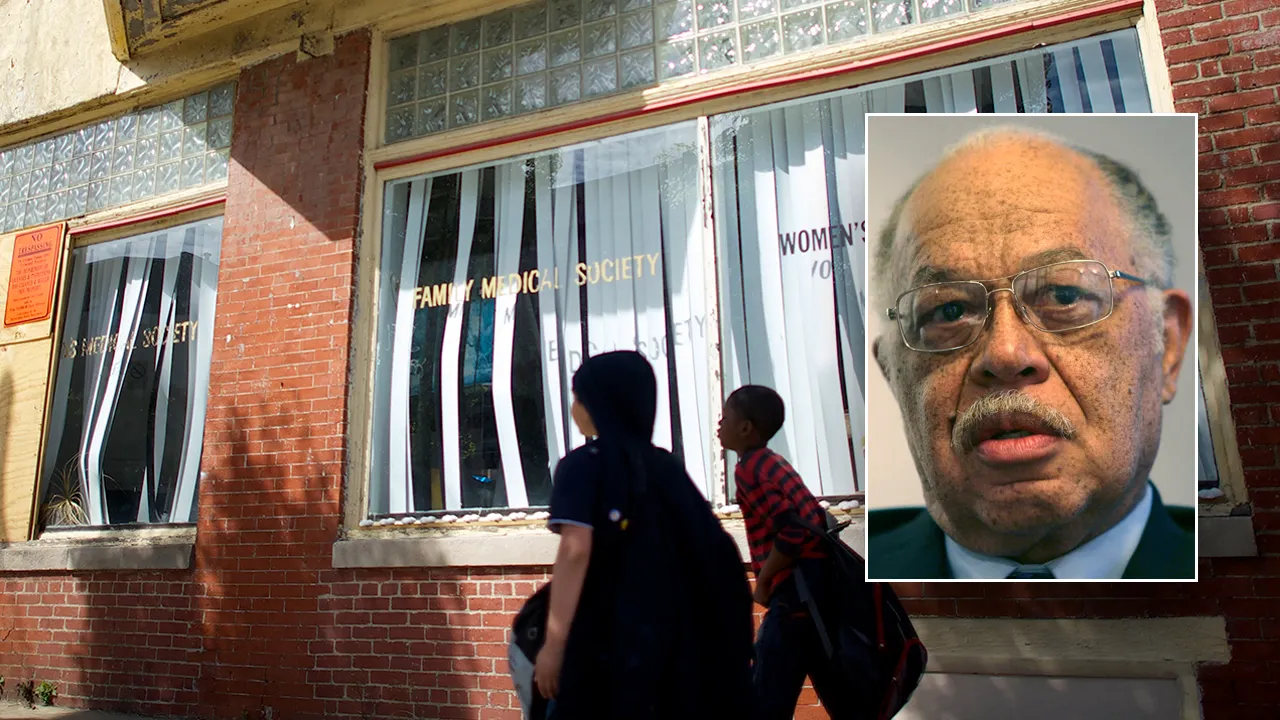
Delving into the life that led to this ignominious end, Gosnell’s name became etched in public consciousness during the trials that exposed the grim underbelly of his West Philadelphia abortion clinic. Dubbed the “house of horrors” by investigators, the facility wasn’t your typical medical outpost; it was a relic of neglect and despair. Imagine walking into a place where the air hangs thick with the stench of decay, where discarded tools and stained furniture tell tales of rushed procedures and forgotten ethics. Employees, in their sworn testimonies, painted a picture of a man who operated in secret, far from the spotlight of regulated healthcare. It was a world where patients, often from low-income or marginalized communities, sought help in dire times, only to find themselves in a labyrinth of danger. Gosnell, the operator, seemed to revel in his self-assigned role as an unlicensed healer, but the facade cracked under scrutiny. In 2010, what began as an investigation into prescription drug trafficking unraveled the clinic’s seedy reality. Bags overflowing with fetal remains, jars of body parts collected like trophies, and instruments caked in blood—these weren’t mere oversights; they were symptoms of a system built on exploitation. Humanizing the horror, think of the young women who entered these doors, vulnerable and trusting, only to leave scarred physically and emotionally. Their voices, echoed in courtrooms years later, brought Gosnell’s world into the daylight, exposing how one man’s negligence could devastate lives. It was a stark lesson in how poverty and desperation can blind even the most basic human instincts for care and compassion.
At the heart of Gosnell’s convictions were the chilling counts of first-degree murder, each one a testament to lives extinguished in the name of convenience. In 2013, after a trial that gripped the nation, he was found guilty of killing three newborns who had survived his procedures. Picture a scene that defies imagination: fetuses that emerged alive, their tiny bodies moving, whimpering with the instinctual cries of life, only to be silenced in moments of brutal finality. Court documents detailed how assistants, under Gosnell’s direction, dealt with these unwelcome survivors—imagined in his own words as “snipping their spines.” It wasn’t just violence; it was a calculated disregard for humanity, where profit outweighed the sanctity of life. His defense lawyers argued desperately that these actions were postmortem spasms, not signs of life, but the evidence—video footage, survivor accounts, and expert testimonies—painted an undeniable portrait of premeditated ends. For many, this wasn’t just about legal culpability; it was about moral failing on a grand scale. Humanizing this tragedy means imagining the families—parents who might never know the full extent of their loss, siblings who grew up without their brothers or sisters. It forces us to confront how societal blind spots allowed such atrocities to persist. Gosnell’s case became a catalyst for discussions on abortion laws, shining a light on gestational limits in states like Pennsylvania, where the 24-week cutoff was stretched and broken in the pursuit of demand. In the end, his guilt served as a warning, a human story of hubris turning to horror, reminding us that behind the statistics lie real pain and irrevocable consequences.
Adding layers to this grim narrative, Gosnell’s operations extended beyond the physical act of abortion into a web of illegalities that funded his empire. His clinic doubled as a hub for a prescription pill mill, where controlled substances flowed like water to desperate patrons. Pleading guilty in 2013 to conspiracy and distribution charges, Gosnell admitted to peddling oxycodone, alprazolam, and codeine—drugs meant to ease pain but often abused for highs. The scale was staggering: from a few hundred prescriptions a month in 2008 to over 2,300 by January 2010, as reported by the U.S. Attorney’s Office for the Eastern District of Pennsylvania. Cash-paying customers paid steep prices—up to $150 for initial visits, with follow-ups and refills adding to the haul—turning medical necessity into a lucrative racket. This wasn’t mere opportunism; it was a betrayal of trust, exploiting those same vulnerable patients who relied on him for abortions. Humanizing the addicts and seekers who frequented his doors means recognizing their struggles: chronic pain sufferers, those battling anxiety, or individuals caught in the grip of addiction, all funneling cash into Gosnell’s coffers while he skated regulatory lines. The investigation that started it all uncovered not just pills, but the rot at the clinic’s core, proving how one man’s greed could spiral into a criminal enterprise. It raises questions about accountability in healthcare—how could regulators miss such overt violations for years? In Gosnell’s saga, we see the human cost of unchecked ambition, where the line between healer and dealer dissolves, leaving a trail of ruined lives and unhealed wounds.
Reflecting on the man behind the headlines, Kermit Gosnell’s history reveals a complex figure whose path deviated early from medical ethics. He didn’t testify at his own trial, leaving his story to be told through others: family members who painted him as a devoted father and grandfather outside the clinic walls, neighbors who knew him as a community fixture, and associates who spoke of a man obsessed with control. In human terms, it begs the question: What drives someone to such extremes? Was it ideology, profit, or a numbness born of routine? His actions didn’t happen in isolation; they unfolded in a broader American landscape of heated debates over abortion rights and access. Advocates on one side pointed to the clinic as evidence of needed alternatives for underserved women, while critics blasted it as a red flag for lax oversight. Post-trial, reforms followed—stricter regulations on clinics, better enforcement of gestational limits. Yet, Gosnell himself remained a polarizing icon, a symbol for pro-life movements decrying the “Gosnell rule” that some claim protected late-term procedures. In his final days, incarcerated and isolated, one wonders if remorse flickered or if the world outside blurred into irrelevance. His death, unceremonious and quiet, closes a chapter but not the conversations it ignited. For those touched by his life, it brings a mix of relief and lingering anger, a human mosaic of grief and healing.
In conclusion, the passing of Kermit Gosnell at 85 encapsulates not just a criminal’s end, but a cautionary tale woven into the fabric of American healthcare and morality. From the squalor of that Philadelphia clinic to the courtroom dramas that exposed its secrets, his story forces us to grapple with the human elements of evil—how ordinary choices can compound into unimaginable suffering. The Associated Press noted his life sentences, and yet, in death, he exits without fanfare, his legacy debated in media headlines and policy rooms. For survivors and victims’ families, justice feels incomplete, a voice lost to time. Broadening the lens, his case influenced movements for patient safety, prenatal rights, and ethical medicine, humanizing discussions once mired in rhetoric. As we absorb this synopsis, it reminds us of the fragility of trust in systems meant to protect, and the enduring impact of one man’s actions on collective conscience. Gosnell’s exit is a full stop, but the echoes— of whimpering lives cut short, exploited communities, and regulatory failures—continue to resonate. In humanizing this narrative, we honor the stories beyond the headlines, urging a deeper examination of empathy, reform, and the relentless pursuit of rightness in a world too often shadowed by wrong.