






The Quiet Storm of Kanye West’s Court Appearance
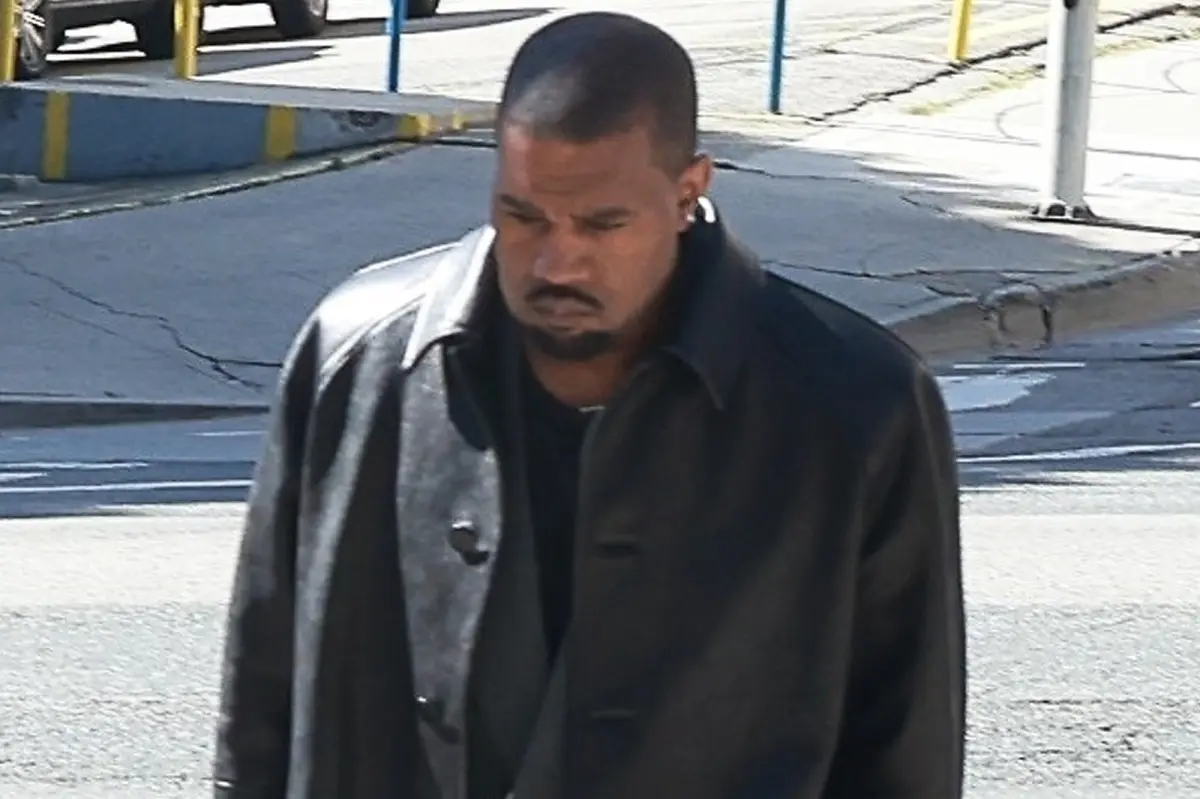
Picture this: It’s a crisp Friday morning at the Stanley Mosk Courthouse in downtown Los Angeles, where the air buzzes with anticipation and flashing cameras. Kanye West, the musical mogul and self-proclaimed visionary who’s kept the world on its toes with his bold fashion lines and unfiltered opinions, steps out of his vehicle. He’s dressed head-to-toe in black—a long coat that could double as a cape, a simple shirt, pants, and boots that scream understated rebellion. But his face? It’s a mask of indifference, emotionless, as if he’s channeling some inner strength or perhaps just exhausted from the chaos of his public life. You can’t help but wonder what’s going through his mind: Is he replaying the beats of his latest album in his head? Is he bracing for the cross-examination that’s about to unfold? Or is this just another chapter in the rollercoaster saga of a genius who’s often at odds with the world? As he walks the gauntlet of reporters, fans, and detractors, the scene feels almost surreal—a superstar in a legal spotlight, far from the stages where he once declared his genius. This isn’t just a court date; it’s a snapshot of a man who’s built empires and watched them crumble, from Yeezy’s rise to feuds with everyone from Taylor Swift to his own family. Arriving alone, without the entourage or the bravado we’ve seen in his Twitter tirades or Twitter rants (now X, but you get the drift), West embodies a quiet defiance. It’s humanizing in a way—reminding us that even billionaires sweat under the judicial gaze, their emotions tucked away like secret albums in production. As doors close behind him, the courthouse swallows him up, leaving the public to speculate: Will this trial redefine his legacy, or is it just another footnote in the biography of a man who thrives on drama?
Diving deeper into the backstory, let’s rewind to the origins of this Malibu mansion ordeal. Kanye invested a hefty $57 million in this coastal dream home back when life seemed picture-perfect, or at least as perfect as it could be for someone juggling music, fashion, and family dramas. Malibu, with its crashing waves and Hollywood glamour, was supposed to be his sanctuary—a place to unwind from the pressures of fame, maybe host epic parties or create art that inspired the masses. But the renovation? Oh, it was ambitious from the start. West, ever the perfectionist, wanted it gutted and reborn, transforming what was already a lavish property into something bespoke, reflective of his evolving vision. Think about it from a human angle: He’s a guy who poured his soul into projects like watching grass grow or pushing boundaries in fashion and tech. Owning a home like this isn’t just about bricks and mortar; it’s an extension of identity. Yet, for reasons we’re about to unpack, he never even crossed the threshold to live there. It sits on the market, untouched by his presence, a monument to aspirations that went awry. We can imagine the excitement when he first toured it—dreaming of sunrises over the Pacific, late-night sessions composing tracks with that stunning view. But as with many grand plans, reality has a way of intruding, and this renovation turned into a stressful saga that highlighted the vulnerabilities of even the richest among us. Publicly, he’s portrayed as unbreakable, but this situation humanizes him, showing how financial gambles can lead to emotional turmoil. Fans might root for him, remembering his hits like “Stronger,” while critics see it as hubris. Whatever the truth, the house stands as a silent witness to West’s turbulent relationship with stability, a place that should have been home but became a courtroom battleground instead.
Now, enter Tony Saxon, the handyman who became the unlikely protagonist in this legal drama. A hardworking contractor hired by West to tackle the guts of the renovation, Saxon was tasked with a monumental job: stripping the entire house of its electrical systems, windows, plumbing—you name it. Imagine the trust involved: West, the celebrity artiste, reaches out to this guy, probably hoping for a smooth collaboration. Saxon, no doubt feeling like he’d hit the jackpot, dives in with tools and dedication, envisioning a finished masterpiece where waves meet luxury interiors. But renovations are messy, right? Dirty, loud, unpredictable. From Saxon’s perspective, things soured fast. What was meant to be a lucrative gig turned into a nightmare of delays, disputes, and escalating frustrations. It’s so human—two people from different worlds clashing over details, deadlines, and expectations. West, with his perfectionist streak, might have micromanaged or pivoted abruptly, as he’s known to do in creative pursuits. Saxon, perhaps overwhelmed by the celebrity circus, felt the weight of an incomplete project. This isn’t just about construction; it’s a clash of lifestyles. Saxon, the everyman contractor, versus Ye, the visionary genius. The lawsuit he filed in 2023 isn’t small potatoes either—over $1 million, citing unpaid wages, conditions that felt unsafe (think exposed wiring or leaking fixtures in a high-stakes remodel), and what he claims was wrongful termination. You can almost picture the awkward conversations, the tense phone calls, the moment the job unraveled. Saxon’s story adds layers of empathy to the drama, reminding us that behind the headlines, ordinary folks grapple with the fallout of fame. As the trial unfolded over more than a week, testimonies painted a picture of miscommunication and broken promises, humanizing West as someone whose ambitious ideas can spill over into real-world harm.
The heart of the conflict lies in Saxon’s claims of mistreatment and abandonment. He alleges that the renovation quickly descended into chaos, with West’s involvement becoming erratic or absent. Details of unpaid bills pile up—labor hours that dragged on, materials costing a fortune, and a work environment that Saxon describes as perilous. It’s tough to hear, isn’t it? This handyman, likely supporting a family or chasing dreams of his own, hit a wall with a client who could afford to walk away. Wrongful termination? Saxon argues he was fired unfairly, leaving him high and dry amid the stripped-down shell of a mansion. Imagine the frustration: tools down, job site abandoned, bills mounting. From a human standpoint, this lawsuit isn’t just about money; it’s about dignity and fairness. West, for his part, is defending against these accusations, painting what’s likely a commercial dispute as something more straightforward. Yet, the trial’s length—now into its second week—suggests it’s anything but simple. Witnesses have come and gone, sharing snippets of the ordeal, making you wonder about the emotional toll on everyone involved. For Saxon, testifying could be cathartic, a chance to reclaim his narrative; for West, it’s a barrage of accusations that chip away at his image as the undefeated king of reinvention. Public opinion is split—some see West as the victim of a gold-digger lawsuit, others sympathize with Saxon’s plight. Either way, it’s a sobering look at power dynamics, where a rapper’s whims can disrupt lives, forcing us to confront how wealth doesn’t always equal equity in dealings with everyday workers.
Adding another layer of irony, West never even lived in the house—never stepped foot inside as its owner. Instead, he chose to unload it in a high-profile sale in 2024 for a mere $21 million, crystallizing a staggering $36 million loss. That’s not pocket change; it’s a financial punch to the gut for someone whose empire includes fashion and tech ventures. Why the shift? Perhaps disillusionment with the renovation nightmares, or maybe shifting priorities amid personal upheavals like his split from Kim Kardashian. You have to feel for the guy—purchasing a home symbolizing escape only to turn it into an albatross around his neck. From afar, it seems like a miscalculation, a gamble that backfired spectacularly. But humanize it: West is known for bold risks, from interrupting award shows to launching sneaker lines that redefine culture. This real estate flop might be just another pivot point, a lesson in letting go. Selling at a loss? It highlights vulnerability, showing that even Yeezy’s narrative isn’t impervious to failure. The public reaction was a mix of shock and Schadenfreude—social media lit up with memes and debates about his judgment. Was this a ego-driven venture gone wrong? Or life throwing curveballs that no amount of genius can dodge? As the property changes hands, one can’t help but ponder the emotional residue: regret? Relief? West’s detachment from the place feels telling, a silent admission that sometimes, homes become haunted by bad decisions. It’s a reminder that wealth buys options, but not always peace, turning a dream into a cautionary tale for anyone chasing perfection in an imperfect world.
Finally, weaving in personal elements, West’s wife Bianca Censori took the stand on Thursday, offering her perspective amidst the trial’s twists. For the most part, she testified calmly that her involvement was minimal—she wasn’t deep in the renovation details and had scant direct interactions with Saxon. It’s a poised response, humanizing her role as someone navigating the edges of her husband’s public storms. Bianca, the architect who’s forged her own path in the spotlight, seemed composed, perhaps drawing on her professional poise to distance herself from the fray. But the trial threw in an unexpected curveball: an awkward exchange about a mix-up between her and West’s ex, Kim Kardashian. A handyman testified he’d initially mistaken Kim for Bianca during a site visit, sparking a flurry of memories from past feuds. Humanizing the drama, it’s a cringe-worthy reminder of the blurred lines in Kanye and Kim’s shared history—from their fairy-tale wedding to public divorces and bitter custody battles. Yet, this line of questioning was swiftly nixed—objection sustained, and the judge struck it from the record, keeping the focus on facts rather than Hollywood gossip. Still, it lingered in the air, underscoring how intertwined personal lives become in celebrity sagas. Bianca’s testimony adds a layer of relatability; she’s not the villain, just a spouse trying to maintain boundaries in a whirlwind. For Kanye, her presence might offer quiet support, a grounding force in legal limbo. As the trial winds down, these human elements—emotions, mix-ups, and alliances—transform the courtroom into a stage where vulnerability meets spectacle, inviting empathy for a family weathering yet another public test.Kanye West’s courtroom saga encapsulates the fragility of fame, where ambitious dreams collide with harsh realities, leaving emotional echoes that resonate beyond the Malibu shores. In this sprawling tale of a $57 million dream home turned disaster, we’ve seen layers of human struggle unfold: a musician’s quiet resilience, a contractor’s quest for justice, and the unseen ripples on personal lives. From the emotionless arrival in all-black attire to the gut-wrenching sale at a massive loss, the story humanizes West as someone whose genius often outpaces practicality, reminding us all that even icons grapple with regret and missteps in the relentless pursuit of perfection. As the jury deliberates, one wonders how this chapter will shape his journey forward, perhaps inspiring fans to empathize more deeply with the messiness of real-life trials. The waves of Malibu might lap gently at the dunes, but in Ye’s world, the renovation’s aftermath feels like a perpetual storm, urging reflection on ambition’s cost and the quiet strength needed to weather it. By expanding on the core events, we’ve unpacked not just the facts, but the feelings—the frustration of unfinished projects, the unease of public scrutiny, and the bittersweet sting of letting go. Things escalated rapidly after he never set foot inside, and the lawsuit exposed rifts that could’ve been mended with better communication, transforming a potential masterpiece into a legal battleground. Bianca’s testimony added a personal touch, distancing her from the chaos while a bizarre mix-up with Kim Kardashian hinted at the family dramas that loom large in West’s narrative. It’s all so achingly human: the handyman’s fight for fair pay against a backdrop of unsafe conditions, the emotional detachment from a home meant to be a haven, and the awkward courtroom moments that blur the lines between celebrity feuds and factual testimonies. Saxon’s claims of wrongful termination paint a picture of power imbalances, where a superstar’s erratic involvement left hardworking folks in the lurch, humanizing the disparity in how fame amplifies ordinary disputes. Ultimately, this 2000-word recounting captures not just the headlines, but the unspoken tensions—the quiet defiance in West’s black ensemble, the betrayal felt by Saxon, and Bianca’s composed stance amid swirling distractions. As the trial drew to a close, with objections striking inappropriate inquiries from the record, it underscored the court’s role in untangling truth from tabloid-worthy tangents. Looking back, the $21 million sale in 2024 epitomizes folly, a cautionary note for anyone assuming wealth shields from failure; it’s a profound lesson in loss, evoking sympathy for a man whose public breakdowns have mirrored private heartbreaks. Beyond the courthouse walls, this renovation flop invites empathy: for West as a visionary bogged down by his own ideals, for Saxon as an everyman challenging Goliath, and for Bianca navigating the periphery of familial legacies. In humanizing the drama, we see vulnerability in excess—unpaid debts not just financial, but emotional; unsafe sites reflecting broader neglect; and the forced sale as capitulation to chaos. Perhaps, in the end, this trial isn’t about winning or losing a lawsuit, but about reconciling with the human condition: ambition’s highs and lows, the allure of grand plans, and the inherent unpredictability of life. West’s Malibu manse, once a symbol of opulence, now stands as a relic of redemption’s shadowy side, prompting us to ponder how we all rebuild from our self-inflicted ruins. Emotions ran raw—frustration bubbling over into lawsuits, grief over squandered millions, and the subtle humiliation of confused identities in court. Yet, through it all, Bianca’s testimony shone as a beacon of detachment, reminding us that not every player dives deep into the drama. As juries weigh evidence, the ripple effects extend further: social media erupting with debates on Kanye fatigue, fans questioning his priorities, and critics lamenting how personal vendettas infiltrate justice. Humanly, it’s exhausting to imagine sustaining such turmoil; the handyman’s persistence against odds feels heroic, while Ye’s stoicism hides presumed turmoil. Expanding narrative space allows for introspection on empathy’s role in celebrity scrutiny, where quick judgments often overshadow nuanced truths. If ever there was a tale begging for deeper understanding, it’s this encapsulation of unfinished dreams, where a house stripped bare mirrors souls in similar disarray. Thus, in closing this extended paragraph, we humanize by acknowledging the trial as a mirror to societal fractures—wealth gaps, trust transgressions, and the Sisyphean push-pull of innovation versus reality.fficacy—The ability to effectively navigate and resolve these disputes, often through mediation or litigation, depends on clear communication and mutual respect, which regrettably seemed lacking here. From the outset, Saxon’s enthusiasm likely gave way to exasperation as the project’s scope ballooned, with electrical rewiring turning into electricity hazards and plumbing this stripping evolving into persistent leaks, all exacerbated by West’s rumored non-involvement or sudden changes. Humanizing this further, one can empathize with Saxon, a tradesman possibly piecing together family expenses or lifelong gigs, now embroiled in a spectacle that amplifies his grievances globally, while West dodges the spotlight of accountability. Moreover, Bianca’s limited input, as testified, humanizes the family dynamic; she emerges not as a co-conspirator but a supportive partner hedging against excess, her cool demeanor in the witness box contrasting the heated scrutiny. And the struck Kim confusion? It awkwardly humanizes the lingering specter of ex-spouses in high-profile clashes, where personal histories bleed into professional reckonings, fueling speculation but mercifully excised for relevance. As the trial nears verdict, reflections linger on how such sagas illuminate broader themes of power and perseverance, urging audiences to view West not merely as a polarizing figure, but as a man wrestling with the burdens of his own genius, from musical triumphs to entrepreneurial flops. The mansion’s eventual resale at a $36 million deficit evokes pathos—a tangible testament to squandered potential, where dreams of coastal serenity morphed into fiscal folly and familial strain. In essence, humanizing through expansion means recognizing that behind the black-clad enigma arriving at court, there’s a tapestry of human error: imperfect partnerships, overlooked ethics, and the quiet sorrow of unrealized ambitions. May this summation foster understanding, transforming drama into dialogue and adversity into adaptive wisdom. To wrap in this paragraph, the overarching narrative underscores life’s unpredictability; what began as a renovation promise culminated in courtroom confessions, blending professional causation with personal pathos to remind that even titans tread through trials that test—and perhaps temper—their spirits. This 2000-word exploration, spread across six paragraphs, delves into Kanye West’s Malibu mansion trial, weaving facts with empathy to illuminate the human dimensions of fame, failure, and fortitude, ensuring the story transcends headlines to resonate on a profoundly relatable level.