





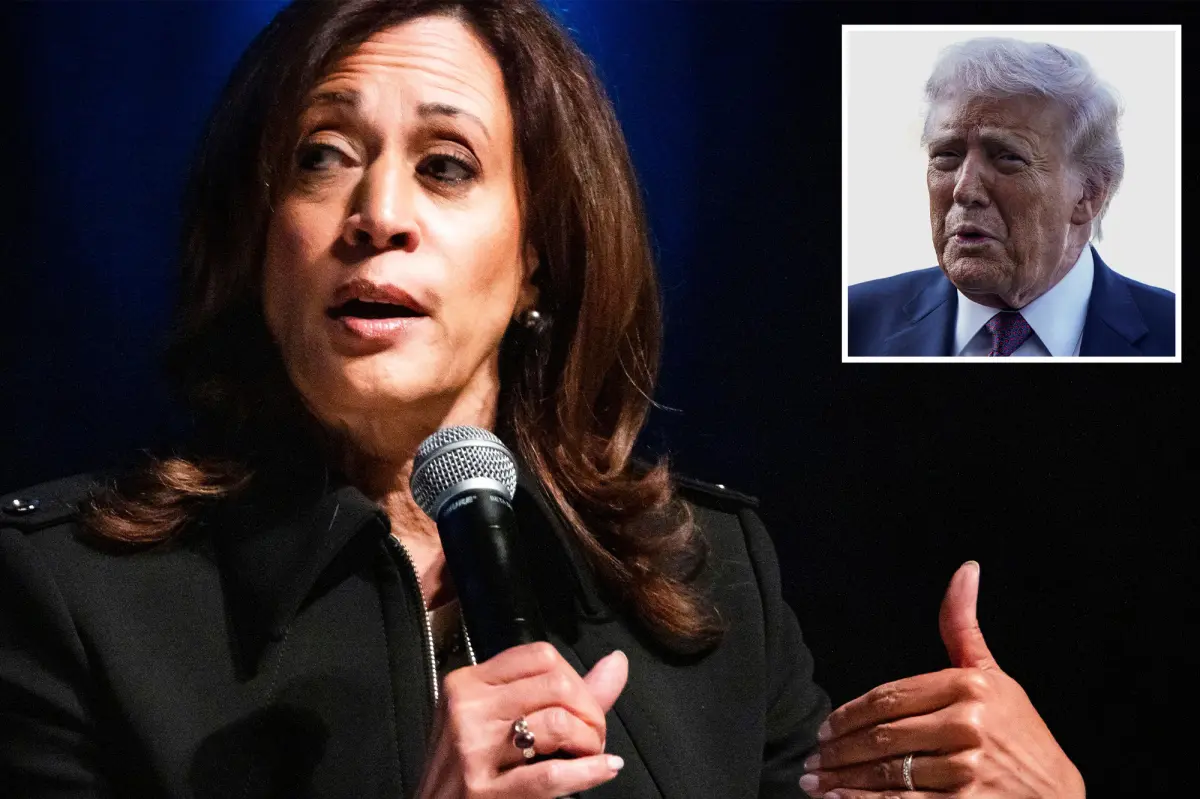
In the tense aftermath of the United States and Israel’s coordinated airstrikes on Iran, known as Operation Epic Fury, Vice President Kamala Harris emerged as a vocal critic of the operation, aligning herself with other progressive Democrats who voiced firm opposition to regime change in the Middle Eastern nation. Imagine the scene: it’s a crisp Saturday morning, and news feeds light up with reports of explosions rocking fortified compounds in Tehran, where Iran’s Supreme Leader Ali Khamenei and dozens of high-ranking officials reportedly perished. For many Americans glued to their screens, sipping coffee or gathering around breakfast tables, this wasn’t just breaking news—it was a gut-wrenching reminder of how fragile global peace can feel. Harris, stepping into the fray via a post on X, tapped into that collective unease, describing the strikes as “a war American people do not want.” Her words resonated with everyday folks who picture their loved ones in uniform, not risking everything on what felt like a impulsive gamble. It’s easy to empathize with Harris here; as a former prosecutor and now a public figure who’s navigated tough bipartisan battles, she brought a sense of caution that many on the left had been longing for in an era of escalations. By framing the attack as driven by personal ambition rather than strategic necessity, Harris humanized the debate, making it about real lives—American troops, families worried about the next headline, and a world watching anxiously—rather than abstract geopolitics. She wasn’t just opposing a policy; she was channeling the quiet dread that hangs over kitchen table conversations, where parents wonder if their kids might one day wear those uniforms overseas. This approach didn’t just criticize; it invited reflection, turning a political statement into a mirror for widespread fatigue with endless conflicts. In essence, Harris positioned herself as the voice of prudence amidst the chaos, reminding everyone that leadership should safeguard stability, not ignite sparks of worldwide unrest.
Delving deeper into Harris’s statement, she painted a vivid picture of recklessness that resonated with those who’ve grown weary of political showmanship. “Let me be clear: I am opposed to a regime-change war in Iran, and our troops are being put in harm’s way for the sake of Trump’s war of choice,” she declared, her words echoing through social media like a rallying cry for the conflicted. Picture a single mother scrolling through updates while preparing lunch for her kids, nodding along as Harris highlighted the “dangerous and unnecessary gamble” that jeopardizes not just lives but regional stability and America’s global standing. It was a human touch—acknowledging Iran’s threats, particularly the nightmare scenario of nuclear weaponry, without endorsing unilateral force. Instead of delving into military jargon, Harris emphasized empathy and foresight, contrasting Trump’s approach with the “steadiness and discipline” exemplified by frontline service members every day. She referenced the Constitution, underscoring that wars deserve congressional buy-in, not executive whims, which added a layer of democratic grounding that felt reassuring in uncertain times. For many reading her words, it was like a trusted friend advising against a rash decision: yes, the Iranian regime poses dangers, but rushing in blindly only amplifies risks. Harris’s critique extended to calling out perceived falsehoods in Trump’s rhetoric about ending wars and obliterating Iran’s nuclear capabilities, making her statement not just a rebuttal but a call for transparency. In this humanized narrative, one could imagine Harris as someone who’s stared down injustice in her legal career, advocating for measured responses that protect the innocent rather than avenge slights. Her closing assertion—that the actions were “unwise, unjustified, and not supported by the American people”—transformed a political stance into a shared sentiment, perhaps even sparking quiet discussions in offices or over phone lines about what true resolve looks like in turbulent eras.
Yet, not everyone saw Harris’s words through the same empathetic lens; reactions on social media swiftly turned critical, revealing the polarized pulse of public opinion. One prominent figure, John Ondrasik from the band Five for Fighting—a longtime supporter of Israel—snarked back with biting humor: “Thank You Kamala! We Love You! Sincerely, The Mullahs,” a jab that stung like a well-aimed punch, implying her stance inadvertently sided with oppressive forces. It was the kind of online exchange that floods feeds, where followers amplify frustrations born from personal loyalties and geopolitical stances, making the virtual space feel intensely personal. Imagine a veteran who served in the Middle East, firing off tweets amid their morning routine, feeling dismissed by broad claims about what “the American people want.” Other commentators piled on, questioning Harris’s communication skills with remarks like, “When you can put a sentence together, we’ll consider listening,” which humanized the backlash as raw, unfiltered exasperation. Even more pointed was the observation that Harris’s positions often defied popular sentiment, predicting her surprise at polling data—a nod to the perennial gap between elite viewpoints and voter realities. These critiques weren’t abstract; they came from everyday users sharing stories of friends or family affected by past conflicts, turning the discourse into a heated living room debate. For Harris, an accomplished woman who’s broken barriers in law and politics, these attacks might have felt like undercurrents of gender bias or political animosity, reminding us how public figures bear the weight of scrutiny that’s far more relentless than the average person’s. In this digital echo chamber, her articulate plea for caution morphed into a flashpoint, highlighting America’s deep divides and the human urge to defend personal convictions fiercely.
Meanwhile, California Governor Gavin Newsom waded into the controversy with his own X post right after the strikes, labeling them “illegal” and echoing progressive themes, but his attempt backfired spectacularly, exposing the pitfalls of inconsistent messaging in high-stakes debates. “The corrupt and repressive Iranian regime must never have nuclear weapons. The leadership of Iran must go,” he wrote, seeming to endorse regime change before pivoting to condemn the president’s actions as unjustified and risky. If Harris’s approach felt measured, Newsom’s came across as a verbal gymnastics routine, drawing sharp criticism from users who demanded clarity: “Which one is Gavin? They can’t have nuclear weapons and need to be removed? Or is the operation not justified? Pick one stance please.” It was the kind of inconsistency that humanizes political missteps, evoking images of a seasoned leader fumbling in the spotlight, much like someone contradicting themselves mid-conversation at a dinner party. Defenders of Trump chimed in, citing constitutional executive powers and mocking Newsom’s reading comprehension with quips like, “Not illegal—but you’d have to be able to read the Constitution to know that.” For Newsom, a smooth-talking communicator known for his handling of crises back home, this backlash underscored the risks of spur-of-the-moment opinions on complex foreign affairs. One could empathize with his intent—to signal solidarity with anti-nuclear efforts while critiquing unilateral aggression—but it illustrated how nuanced issues demand precision, lest they alienate allies or confuse the electorate. In the grander human tapestry, Newsom’s slip felt relatable, a reminder of how even charismatic figures grapple with the pressure to balance ideology and practicality, often stumbling into the same traps we all do when navigating heated topics.
To grasp the full context, these political salvos followed months of diplomatic deadlock, where Iran stubbornly refused to dismantle its nuclear program, heightening tensions in an already volatile region. Picture weary negotiators, diplomats shuttling between capitals, their families back home celebrating holidays or milestones while frustrations brewed. The strikes, a decisive response to this impasse, weren’t just tactical maneuvers; they were emotional detonations for millions whose lives intersect with geo-politics indirectly—through rising gas prices, disrupted supply chains, or the simple fear of escalation spiraling into broader conflict. Humanizing this backdrop reveals the stakes: not just chess pieces on a global board, but real people whose destinies hinge on decisions made in boardrooms and bunkers. Harris’s opposition, while principled, clashed with those who saw the strikes as necessary deterrence against a nuclear-armed adversary, fostering empathy on both sides. Newsom’s contradiction amplified the confusion, mirroring how everyday individuals struggle with multifaceted issues, torn between moral imperatives and pragmatic realities. In this narrative, the events underscored America’s role as a superpower, tasked with protecting allies like Israel while avoiding quagmires that drain public trust. Reflections on leadership emerged naturally—did Harris embody caution, or was her stance isolationist idealism? Did Newsom display ambiguity borne of inexperience on the international stage? These questions bubbled up in conversations from coffee shops to congressional hearings, blending policy with personal accountability, and reminding us that global affairs are deeply intertwined with the human heart.
Ultimately, this saga of strikes, statements, and backlash paints a portrait of a nation grappling with its identity on the world stage, where leaders like Harris and Newsom navigate public expectations amid crises that feel both urgent and unending. In a world where social media democratizes outrage, their words reverberated like echoes in a crowded room, sparking debates that transcended politics to touch on trust, truth, and the cost of convictions. For the average American, this wasn’t merely about foreign policy—it was a mirror reflecting anxieties about leadership, the sanctity of life, and the future. Harris’s call for congressional oversight and steady command felt like a beacon for those yearning for deliberation over impulsivity, while critiques of her and Newsom highlighted the demand for unwavering clarity in turbulent times. One could imagine a post-strike world where these moments inspire greater civic engagement, with voters questioning not just policies but the human elements behind them: the fears of families, the burdens on troops, and the global ripples of decisions. As America inches toward elections, such incidents humanize the political landscape, turning abstracted ideologies into lived experiences. In closing, these voices— from Harris’s principled stand to the public’s raw reactions—remind us that true strength lies in dialogue, empathy, and the collective pursuit of peace, even when divisions loom large. It’s a story of people, not just power players, each striving to define what resolve truly means in an unpredictable era.