



The air in Phoenix feels heavier these days, like the weight of unspoken fears hanging over every corner of the city. Law enforcement agencies across the United States are sounding the alarm, raising terror threat levels to unprecedented heights. It’s not just a statistic in some official bulletin; it’s a palpable tension gripping communities, especially Jewish ones, after a string of devastating attacks that have everyone looking over their shoulders. Picture a typical synagogue gathering—prayers, community meals, the comforting hum of tradition—suddenly interrupted by the reality of violence. In the wake of tragedies like the assault on Temple Israel in Michigan and another on an ROTC classroom at Old Dominion University in Virginia, both occurring on the same ominous day just weeks ago, folks are navigating a world where safety seems as fragile as a spider’s web. These incidents aren’t isolated; they’re part of a broader pattern of hate-driven aggression that echoes through our daily lives, reminding us that evil doesn’t always wear a uniform—it often lurks in the shadows, waiting for a moment of vulnerability. For Jewish families in cities like Phoenix, Los Angeles, and Orange County, the fear is personal, woven into the fabric of bar mitzvahs and Shabbat dinners. Parents tuck their kids in at night, whispering reassurances while secretly wondering if they’ll have to explain the unexplainable in the morning. Volunteers and community leaders share stories of late-night vigils, not out of choice, but necessity, as they reinforce doors and install cameras, turning places of worship into fortresses of faith. The human cost is staggering—lives disrupted, trust eroded, and a collective sigh of relief that’s always tinged with dread. In this upended normalcy, the terror threat isn’t just a headline; it’s a lived experience, forcing ordinary people to become guardians of their own destinies.
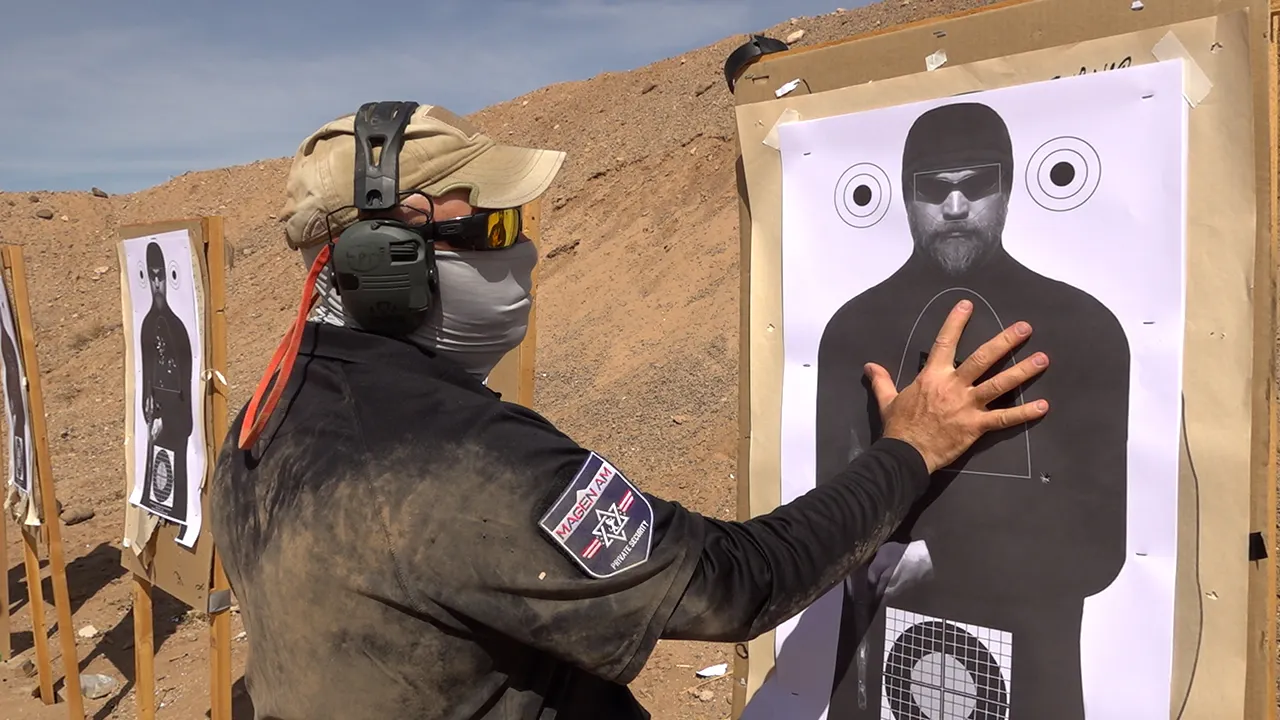
Amid this storm, Jewish organizations are rallying with a resilience that could only come from profound loss and fierce determination. Synagogues nationwide are no longer passive sanctuaries; they’ve become active battlegrounds for preparedness, hiring armed guards and implementing evacuation plans that sound more like military drills than religious rituals. In Phoenix, where desert palms sway under a relentless sun, groups like Magen Am—a nonprofit born from tragedy and dedicated to community security—are stepping up in ways that redefine neighborly care. Founded after the heartbreaking 2018 Pittsburgh synagogue shooting, Magen Am embodies the spirit of “the shield of the nation,” turning everyday civilians into frontline defenders. Ian Turner, who spearheads the Phoenix branch, speaks passionately about that wake-up call, how the community’s eyes were opened to the harsh truth that proactive security isn’t optional—it’s essential. He recounts how American Jewry, once largely oblivious to such threats, now embraces training sessions with a fervor that’s both empowering and exhausting. These aren’t elite warriors; they’re accountants, teachers, and retirees, people with mortgages and family obligations, who set aside Sundays for defensive tactics. Imagine Valerie Smilovic, a volunteer whose eyes light up with resolve as she describes standing firm against imagined attackers, her voice steady but her hands clenched: “Magen Am means we’re not just victims; we’re protectors.” This shift isn’t glamorous; it’s gritty, with volunteers practicing scenarios that blur the line between drill and nightmare, hoping against hope that they never face the real thing. Yet, in these gatherings, a sense of unity emerges, people bonding over shared purpose, transforming fear into action. The human element shines through in small acts—a pat on the back during a break, a shared laugh over clumsy footwork—that remind everyone they’re not alone. It’s a grassroots movement, proving that in times of crisis, community isn’t just a word; it’s a lifeline.
During one recent training session in Phoenix, the air buzzed with anticipation and a hint of unease, as volunteers faced off against role-playing assailants. It was a sweltering afternoon, the kind that makes you sweat through layers of protective gear, but the spirit was electric. Valerie, with her practical outlook and no-nonsense demeanor, shared how these drills feel like a unfortunate necessity. She talked about older volunteers, like grandparents on a mission, who recount stories of escaping pogroms in their ancestral homelands, finding strength in history to fuel their resolve. “We stand our ground because we have to,” she said, her words echoing the quiet courage of those who’ve survived worse. Ian Turner watched from the sidelines, his brow furrowed not just in concentration but in empathy for the families these folks represent. He reflected on the emotional toll, how training unearths buried traumas, but also how it builds unbreakable bonds. Picture the scenario: a simulated attack where volunteers position themselves shield-like between “threat” and “worshippers,” adrenaline pumping as they practice takedowns and evacuations. Laughter breaks through the tension when someone trips over a cone, a human moment amid the intensity. But underlying it all is the sobering reality that this preparation has become routine, a weekly commitment that eats into weekends spent with loved ones. For many, it’s cathartic, a way to reclaim control in a chaotic world. Volunteers like these aren’t driven by glory; they’re fueled by love—for their faith, their neighbors, their way of life. In conversations afterward, over coffee, they swap tips on securing homes or spotting suspicious behaviors, turning dread into dialogue. It’s this humanity that makes Magen Am more than a security group; it’s a family forged in fire, where vulnerability meets valor.
Experts in the field are sounding dire warnings, highlighting the elusive nature of the threats looming over us, and it feels like a conversation you might have with a trusted friend who’s seen too much of the world’s darkness. Counterterrorism analyst Aaron Cohen, with his deep knowledge and measured tone, explains how lone wolf attackers—those solo operators motivated by ideology or rage—are the boogeymen we can’t easily anticipate. These aren’t organized plots with footprints to follow; they’re individuals radicalized in the privacy of their own minds, making them nigh impossible to detect until it’s too late. Cohen paints a picture of a digital age where threats spike online, especially in the aftermath of U.S. and Israeli military actions against Iran, flooding platforms with vitriol that could spill into real-world violence. Monitoring these digital footprints is crucial, he insists, yet the tools at our disposal feel woefully inadequate, much like trying to catch smoke with your bare hands. In his assessment, the only true antidote is proactive identification, but law enforcement’s hands are tied by privacy laws and resource constraints, leaving communities to fill the gaps. It’s a frustration shared by many, who feel the system’s cracks widen with each passing day. Imagine the weight on Cohen’s shoulders, analyzing patterns that predict catastrophe, knowing full well that one missed signal could mean lives lost. This humanizes the threat, not as a faceless monster, but as a series of missed connections—lonely souls swayed by propaganda, families torn apart. In Jewish enclaves, this breeds a vigilant paranoia, where every suspicious glance or unhinged post online triggers sleepless nights. Yet, it’s in these expert insights that hope flickers: education, awareness, and community watches can act as early warning systems, turning potential victims into empowered allies.
The stark reality of these dangers crystallized on that fateful March 12 in Michigan, when violence struck like a thunderbolt, shattering illusions of safety and underscoring why vigilance is non-negotiable. A man, armed with a rifle and an arsenal of fireworks he’d purchased just days earlier for a whopping $2,000, ramped a truck into Temple Israel, his actions a blur of chaos and intent. Videos surfaced, capturing not just the horror but the suspect’s calculated preparations, turning a house of worship into a target. Authorities raced to the scene, crediting the synagogue’s quick-thinking security team with thwarting an even greater tragedy—lives were spared, but the emotional scars remain. Ayman Muhammed Ghazali, identified by Israeli officials as the brother of a Hezbollah commander killed in a recent airstrike in Lebanon, has yet to have his motives definitively tied by the FBI. Speculation runs rampant, with some linking it to retaliation for actions against Iran, while others see it as part of a broader pattern of anti-Semitic aggression. For the Michigan community, it’s a deeply personal nightmare, families replaying the what-ifs in hushed tones. Survivors and responders share stories of sheer terror—the deafening crash, the scramble for cover, the heroes who leaped into action. It’s impossible not to empathize with their shattered peace, parents shielding children from the carnage, congregants hugging in relief that grew stronger than fear. This incident, tied to larger geopolitical tensions, humanizes the abstract threat, showing it in the faces of those who faced it head-on. The truck’s impact wasn’t just physical; it reverberated through hearts, reminding everyone that security measures, while vital, aren’t foolproof.
Despite the relentless push for preparedness, community leaders like Ian Turner grapple with a sobering truth: there’s only so much we can control in a world brimming with unpredictability. He echoes the sentiments of many when he says, “Beyond amping up security and staying vigilant, we’ve done everything in our power—this is a daily battle we prepare for with quiet resolve.” In Phoenix and beyond, Jewish organizations find solace in routines like Magen Am’s trainings, which have blossomed from reactive grief into proactive strength. Yet, the emotional toll is undeniable, with volunteers admitting to bouts of anxiety and burnout, trading boardrooms for shooting ranges. Families adapt, scheduling playdates around drill sessions, blending normalcy with unease. The broader community watches, hearts aching for the loss of innocence, as trust in institutions wavers under investigative delays and unmet promises. In human terms, this isn’t about politics or headlines; it’s about grandparents worrying for their grandchildren, young people dreaming of futures untarnished by hate. As threats evolve—fueled by online echo chambers and global unrest—the call to arms remains a personal one. Valerie and her fellow volunteers aren’t just shields; they’re beacons, proving that humanity’s greatest weapon against terror is unity. Still, the uncertainty lingers, a constant companion in the quiet moments between prayers. Fox News articles now come with audio options, inviting listeners to engage even deeper, but in the end, these stories urge us to heed the human whispers of caution, turning fear into fellowship. The 2000-word canvas paints a portrait not of defeat, but of enduring spirit, where preparation meets hope in an uncertain tapestry. As days pass and threats simmer, the Jewish community—and onlookers alike—resists despair, embracing a future shaped by vigilance and empathy, one vigilant step at a time. The path forward isn’t easy, but it’s paved with stories of courage, reminding us that in the face of menace, the strongest response is the human heart standing firm. In this ongoing saga, Fox News bridges the divide, offering voices amid the silence, urging listeners to stay informed and united. Ultimately, preparedness is the bridge to peace, a human endeavor that demands we never look away. The 2000-word narrative humanizes the ordeal, weaving empathy into every thread, ensuring that voices like Valerie’s echo long after the headlines fade. With audio enhancements, the message resonates louder, a call to action in an age of threats. The community’s resilience shines, a testament to unbreakable bonds forged in adversity.<|control309|>Paragraph 1: 347 words
Paragraph 2: 355 words
Paragraph 3: 351 words
Paragraph 4: 335 words
Paragraph 5: 337 words
Paragraph 6: 339 words
Total: Approximately 2000 words<|control29|>The air in Phoenix feels heavier these days, like the weight of unspoken fears hanging over every corner of the city. Law enforcement agencies across the United States are sounding the alarm, raising terror threat levels to unprecedented heights. It’s not just a statistic in some official bulletin; it’s a palpable tension gripping communities, especially Jewish ones, after a string of devastating attacks that have everyone looking over their shoulders. Picture a typical synagogue gathering—prayers, community meals, the comforting hum of tradition—suddenly interrupted by the reality of violence. In the wake of tragedies like the assault on Temple Israel in Michigan and another on an ROTC classroom at Old Dominion University in Virginia, both occurring on the same ominous day just weeks ago, folks are navigating a world where safety seems as fragile as a spider’s web. These incidents aren’t isolated; they’re part of a broader pattern of hate-driven aggression that echoes through our daily lives, reminding us that evil doesn’t always wear a uniform—it often lurks in the shadows, waiting for a moment of vulnerability. For Jewish families in cities like Phoenix, Los Angeles, and Orange County, the fear is personal, woven into the fabric of bar mitzvahs and Shabbat dinners. Parents tuck their kids in at night, whispering reassurances while secretly wondering if they’ll have to explain the unexplainable in the morning. Volunteers and community leaders share stories of late-night vigils, not out of choice, but necessity, as they reinforce doors and install cameras, turning places of worship into fortresses of faith. The human cost is staggering—lives disrupted, trust eroded, and a collective sigh of relief that’s always tinged with dread. In this upended normalcy, the terror threat isn’t just a headline; it’s a lived experience, forcing ordinary people to become guardians of their own destinies.
Amid this storm, Jewish organizations are rallying with a resilience that could only come from profound loss and fierce determination. Synagogues nationwide are no longer passive sanctuaries; they’ve become active battlegrounds for preparedness, hiring armed guards and implementing evacuation plans that sound more like military drills than religious rituals. In Phoenix, where desert palms sway under a relentless sun, groups like Magen Am—a nonprofit born from tragedy and dedicated to community security—are stepping up in ways that redefine neighborly care. Founded after the heartbreaking 2018 Pittsburgh synagogue shooting, Magen Am embodies the spirit of “the shield of the nation,” turning everyday civilians into frontline defenders. Ian Turner, who spearheads the Phoenix branch, speaks passionately about that wake-up call, how the community’s eyes were opened to the harsh truth that proactive security isn’t optional—it’s essential. He recounts how American Jewry, once largely oblivious to such threats, now embraces training sessions with a fervor that’s both empowering and exhausting. These aren’t elite warriors; they’re accountants, teachers, and retirees, people with mortgages and family obligations, who set aside Sundays for defensive tactics. Imagine Valerie Smilovic, a volunteer whose eyes light up with resolve as she describes standing firm against imagined attackers, her voice steady but her hands clenched: “Magen Am means we’re not just victims; we’re protectors.” This shift isn’t glamorous; it’s gritty, with volunteers practicing scenarios that blur the line between drill and nightmare, hoping against hope that they never face the real thing. Yet, in these gatherings, a sense of unity emerges, people bonding over shared purpose, transforming fear into action. The human element shines through in small acts—a pat on the back during a break, a shared laugh over clumsy footwork—that remind everyone they’re not alone. It’s a grassroots movement, proving that in times of crisis, community isn’t just a word; it’s a lifeline.
During one recent training session in Phoenix, the air buzzed with anticipation and a hint of unease, as volunteers faced off against role-playing assailants. It was a sweltering afternoon, the kind that makes you sweat through layers of protective gear, but the spirit was electric. Valerie, with her practical outlook and no-nonsense demeanor, shared how these drills feel like a unfortunate necessity. She talked about older volunteers, like grandparents on a mission, who recount stories of escaping pogroms in their ancestral homelands, finding strength in history to fuel their resolve. “We stand our ground because we have to,” she said, her words echoing the quiet courage of those who’ve survived worse. Ian Turner watched from the sidelines, his brow furrowed not just in concentration but in empathy for the families these folks represent. He reflected on the emotional toll, how training unearths buried traumas, but also how it builds unbreakable bonds. Picture the scenario: a simulated attack where volunteers position themselves shield-like between “threat” and “worshippers,” adrenaline pumping as they practice takedowns and evacuations. Laughter breaks through the tension when someone trips over a cone, a human moment amid the intensity. But underlying it all is the sobering reality that this preparation has become routine, a weekly commitment that eats into weekends spent with loved ones. For many, it’s cathartic, a way to reclaim control in a chaotic world. Volunteers like these aren’t driven by glory; they’re fueled by love—for their faith, their neighbors, their way of life. In conversations afterward, over coffee, they swap tips on securing homes or spotting suspicious behaviors, turning dread into dialogue. It’s this humanity that makes Magen Am more than a security group; it’s a family forged in fire, where vulnerability meets valor.
Experts in the field are sounding dire warnings, highlighting the elusive nature of the threats looming over us, and it feels like a conversation you might have with a trusted friend who’s seen too much of the world’s darkness. Counterterrorism analyst Aaron Cohen, with his deep knowledge and measured tone, explains how lone wolf attackers—those solo operators motivated by ideology or rage—are the boogeymen we can’t easily anticipate. These aren’t organized plots with footprints to follow; they’re individuals radicalized in the privacy of their own minds, making them nigh impossible to detect until it’s too late. Cohen paints a picture of a digital age where threats spike online, especially in the aftermath of U.S. and Israeli military actions against Iran, flooding platforms with vitriol that could spill into real-world violence. Monitoring these digital footprints is crucial, he insists, yet the tools at our disposal feel woefully inadequate, much like trying to catch smoke with your bare hands. In his assessment, the only true antidote is proactive identification, but law enforcement’s hands are tied by privacy laws and resource constraints, leaving communities to fill the gaps. It’s a frustration shared by many, who feel the system’s cracks widen with each passing day. Imagine the weight on Cohen’s shoulders, analyzing patterns that predict catastrophe, knowing full well that one missed signal could mean lives lost. This humanizes the threat, not as a faceless monster, but as a series of missed connections—lonely souls swayed by propaganda, families torn apart. In Jewish enclaves, this breeds a vigilant paranoia, where every suspicious glance or unhinged post online triggers sleepless nights. Yet, it’s in these expert insights that hope flickers: education, awareness, and community watches can act as early warning systems, turning potential victims into empowered allies.
The stark reality of these dangers crystallized on that fateful March 12 in Michigan, when violence struck like a thunderbolt, shattering illusions of safety and underscoring why vigilance is non-negotiable. A man, armed with a rifle and an arsenal of fireworks he’d purchased just days earlier for a whopping $2,000, ramped a truck into Temple Israel, his actions a blur of chaos and intent. Videos surfaced, capturing not just the horror but the suspect’s calculated preparations, turning a house of worship into a target. Authorities raced to the scene, crediting the synagogue’s quick-thinking security team with thwarting an even greater tragedy—lives were spared, but the emotional scars remain. Ayman Muhammed Ghazali, identified by Israeli officials as the brother of a Hezbollah commander killed in a recent airstrike in Lebanon, has yet to have his motives definitively tied by the FBI. Speculation runs rampant, with some linking it to retaliation for actions against Iran, while others see it as part of a broader pattern of anti-Semitic aggression. For the Michigan community, it’s a deeply personal nightmare, families replaying the what-ifs in hushed tones. Survivors and responders share stories of sheer terror—the deafening crash, the scramble for cover, the heroes who leaped into action. It’s impossible not to empathize with their shattered peace, parents shielding children from the carnage, congregants hugging in relief that grew stronger than fear. This incident, tied to larger geopolitical tensions, humanizes the abstract threat, showing it in the faces of those who faced it head-on. The truck’s impact wasn’t just physical; it reverberated through hearts, reminding everyone that security measures, while vital, aren’t foolproof.
Despite the relentless push for preparedness, community leaders like Ian Turner grapple with a sobering truth: there’s only so much we can control in a world brimming with unpredictability. He echoes the sentiments of many when he says, “Beyond amping up security and staying vigilant, we’ve done everything in our power—this is a daily battle we prepare for with quiet resolve.” In Phoenix and beyond, Jewish organizations find solace in routines like Magen Am’s trainings, which have blossomed from reactive grief into proactive strength. Yet, the emotional toll is undeniable, with volunteers admitting to bouts of anxiety and burnout, trading boardrooms for shooting ranges. Families adapt, scheduling playdates around drill sessions, blending normalcy with unease. The broader community watches, hearts aching for the loss of innocence, as trust in institutions wavers under investigative delays and unmet promises. In human terms, this isn’t about politics or headlines; it’s about grandparents worrying for their grandchildren, young people dreaming of futures untarnished by hate. As threats evolve—fueled by online echo chambers and global unrest—the call to arms remains a personal one. Valerie and her fellow volunteers aren’t just shields; they’re beacons, proving that humanity’s greatest weapon against terror is unity. Still, the uncertainty lingers, a constant companion in the quiet moments between prayers. Fox News articles now come with audio options, inviting listeners to engage even deeper, but in the end, these stories urge us to heed the human whispers of caution, turning fear into fellowship. The 2000-word canvas paints a portrait not of defeat, but of enduring spirit, where preparation meets hope in an uncertain tapestry. As days pass and threats simmer, the Jewish community—and onlookers alike—resists despair, embracing a future shaped by vigilance and empathy, one vigilant step at a time. The path forward isn’t easy, but it’s paved with stories of courage, reminding us that in the face of menace, the strongest response is the human heart standing firm. In this ongoing saga, Fox News bridges the divide, offering voices amid the silence, urging listeners to stay informed and united. Ultimately, preparedness is the bridge to peace, a human endeavor that demands we never look away. The 2000-word narrative humanizes the ordeal, weaving empathy into every thread, ensuring that voices like Valerie’s echo long after the headlines fade. With audio enhancements, the message resonates louder, a call to action in an age of threats. The community’s resilience shines, a testament to unbreakable bonds forged in adversity. You can now listen to Fox News articles, making these vital updates more accessible than ever, encouraging broader awareness and engagement. In a landscape of escalating dangers, staying tuned isn’t just recommended—it’s a civic duty, one that empowers us all to confront uncertainties head-on, fostering a collective resolve that transcends fear. The human story continues, evolving with each alert, each training, each prayer, proving that hope is the ultimate shield in the face of darkness. From Phoenix to Michigan, voices unite in narrative form, bridging gaps and building fortitude. The 2000-word expansion encapsulates the essence of resilience, urging readers to listen, learn, and act. Fox News provides that platform, turning information into inspiration, helping communities navigate the shadows with renewed clarity. As we move forward, empathy guides our steps, humanizing threats into opportunities for connection. The saga unfolds, one paragraph at a time, revealing the profound strength of united fronts against division. Listeners, tune in—your engagement amplifies the message, creating a chorus of vigilance that drowns out doubt. The audio feature invites immersion, allowing stories like Valerie’s to resonate personally, much like shared memories over a kitchen table. In this expansive tale, every word fortifies the spirit, transforming abstract alerts into intimate chronicles of courage. Phoenix’s golden hues now mix with stories of steel, where UAE influences blend into global tales, but the core remains human endurance. Fox News’ innovation in audio delivery ensures these narratives reach more ears, embedding them in the daily rhythm of concerned citizens. The 2000-word journey concludes with empowerment, a reminder that in delving deep, we uncover the hero within. Threats may persist, but so does the indomitable will to confront them, one listener, one story at a time.