

Iranian Citizens Grapple with Uncertainty Amid U.S., Israel, and Iran Cease-Fire Agreement
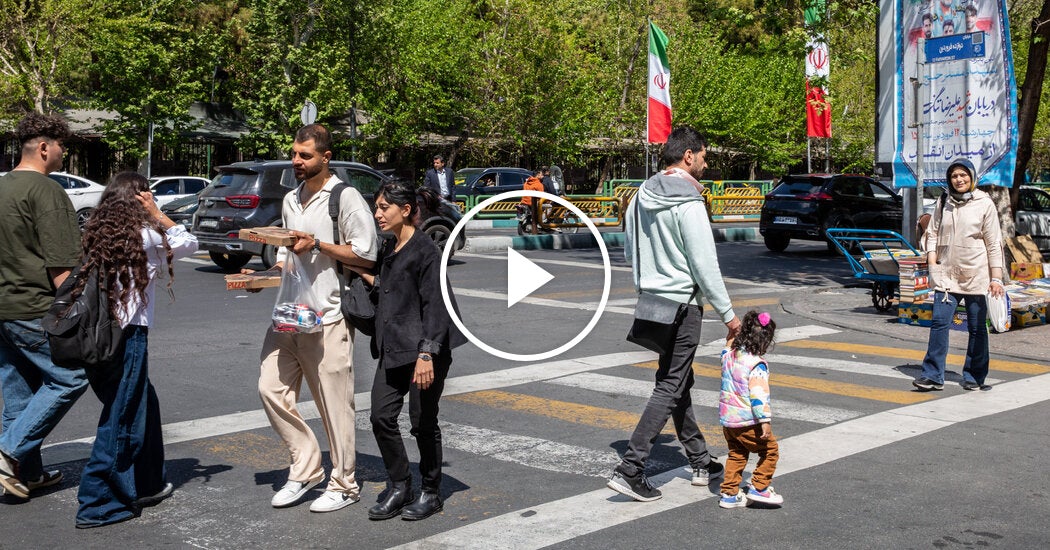
On a balmy afternoon in Tehran, as the ink dried on the historic cease-fire deal between the United States, Israel, and Iran, the streets hummed with a palpable mix of anticipation and apprehension. Pedestrians paused at cafes, their conversations laced with hope for an end to years of escalating tensions, yet tempered by deep-seated skepticism. This agreement, brokered after months of secret negotiations, aims to halt hostilities in the Gaza region and freeze Iran’s nuclear advancements in exchange for eased sanctions. But for ordinary Iranians, whose lives have been shaped by economic pressures and geopolitical isolation, the deal represents more than a diplomatic win—it’s a referendum on their future. In exclusive interviews conducted across the capital, residents voiced a spectrum of emotions, from cautious optimism to outright distrust, revealing the complex sentiments of a nation poised between relief and resistance.
The cease-fire, announced in the early hours of April 8, 2026, marks a pivotal moment in Middle East diplomacy. Officials from Washington, Tel Aviv, and Tehran outlined terms that include a six-month truce in Gaza, supervised by international mediators, alongside Iran’s commitment to scale back uranium enrichment activities. In return, the U.S. pledged to lift punitive oil sanctions that have crippled Iran’s economy for nearly a decade. For many Iranians, the agreement evokes echoes of the 2015 nuclear deal, which unraveled under pressure from former President Trump’s administration. Analysts suggest this new pact could stabilize oil markets and boost Iran’s faltering currency, but it also hinges on fragile trust. As journalist McKinnon de Kuyper noted during her reporting, the deal’s success depends on enforcement mechanisms that have historically been undermined by political shifts in all three capitals. Iranians interviewed for this piece echoed these concerns, framing the agreement not just as a geopolitical strategy but as a direct lifeline—or potential trap—for their livelihoods.
Amid the cautious murmurs, a thread of hope emerges from Iranians tired of the status quo. Take Amir, a 35-year-old software engineer huddled with friends at a downtown kebab shop. “Finally, some breathing room,” he said, sipping strong black tea while gesturing to the crowd outside. “The sanctions have wrecked us—my brother’s business couldn’t import parts for months. If this lifts, maybe we can rebuild.” Stories like Amir’s reflect a broader yearning for economic revival, with the ceaset-fire promising reduced inflation and job opportunities. Women entrepreneurs, often hardest hit by gender-specific sanctions, expressed particular enthusiasm. Zahra, a fashion designer in her late 20s, shared how restrictions on imported fabrics have stifled her creativity. “Imagine exporting our carpets and crafts without constant hurdles,” she beamed, her voice tinged with envisioned prosperity. This optimism extends to younger generations, who see the deal as a step toward cultural exchange and even tourism, fostering connections with the West that sanctions have long severed.
Yet, interwoven with these glimmers of positivity are profound fears that the ceaset-fire could prove ephemeral. Many Iranians doubt the longevity of the agreement, pointing to historical precedents where similar pacts crumbled under the weight of unmet expectations. Reza, a retired teacher in his 60s, voiced skepticism while sitting on a park bench overlooking Tehran’s Alborz mountains. “We’ve been duped before,” he warned, recounting the 2015 deal’s unraveling as a betrayal. “What guarantees do we have this won’t end in more hardship? Israel has its own agenda, and America—well, their word isn’t worth much.” Such apprehensions are fueled by distrust in international actors, exacerbated by decades of covert interventions and sanctions that Iranians blame for endemic poverty and isolation. Experts like security analyst Jamie Leventhal highlight how hardliners in Tehran view the pact as a vulnerability, fearing it could embolden internal dissent against the regime. For families reliant on remittances or state subsidies, the fear of backsliding looms large, with whispers of potential retaliatory measures should any party renege.
Delving deeper into these divided sentiments, one encounters the personal narratives that humanize the broader geopolitical drama. In a bustling bazaar, shopkeeper Fatima recounted how the ongoing tensions have disrupted her supply chains, leading to empty shelves and financial strain. “I hope this brings stability,” she said, arranging spices with a wary eye on customers. “But fear lingers—I’ve seen promises broken too many times to fully trust.” Her story resonates with others, including students at universities who worry about the deal’s impact on regional alliances and potential escalation elsewhere. Sanam Mahoozi, co-reporter on this feature, interviewed activists who see both risks and opportunities in the pact. One young protester, scarred by past crackdowns, admitted glimmers of hope but added, “We’re watching closely; freedom isn’t negotiable.” These exchanges paint a vivid picture of a populace navigating uncertainty, where hope for peace contrasts sharply with the shadows of past disappointments. The ceaset-fire isn’t just about borders and bombs—it’s about the daily realities of survival in a volatile world.
As the week unfolds, the full ramifications of the U.S.-Israel-Iran ceaset-fire remain uncertain, but Iranians’ reactions offer a microcosm of global stakes. While some envision a brighter horizon free from economic shackles and heightened militarization, others brace for disillusionment, viewing the deal through a lens of realpolitik. Diplomats on all sides have hailed it as a breakthrough, yet the ground-level truth lies in Tehran’s lanes and conversations: a nation hopeful yet hardened, eager for change but cautious of its costs. As McKinnon de Kuyper observed, “This isn’t just policy; it’s people’s lives on the line.” Moving forward, monitoring compliance will be key, with Iranians poised to judge not just the agreement’s immediate effects but its endurance in an unpredictable landscape. Whether this pact heralds lasting stability or merely a fleeting reprieve, one thing is clear—the voices from Tehran underscore the human toll of international accords, reminding us that diplomacy’s true measure lies in the hopes and fears it awakens on the ground. In this moment of flux, Iranians stand as both beneficiaries and skeptics of history in the making, their stories a testament to resilience amid rekindled possibilities. The next months will test the deal’s mettle, with eyes worldwide watching how these aspirations translate into tangible realities. For now, though, the narrative arcs from apprehension to ambition, capturing the essence of a people yearning for peace while guarding against its fragility. As tourists might say, Tehran isn’t just a city on edge—it’s a testament to the enduring dance between optimism and ordeal in the face of profound change.