





The Unlikely Rendezvous in Geneva’s Lace Curtains
Geneva, that grand old dame of international diplomacy, with its serene lakeside promenades and discreet palaces hosting whispered deals since time immemorial, played host to yet another chapter in the high-stakes theater of global tensions. On a crisp Thursday morning, as the city awoke to the clang of trams and the aroma of fresh croissants wafting from cafes, a convoy of nondescript black sedans pulled into the Omani residence—a stately manor nestled amid manicured gardens that seemed a world away from the deserts and revolutions of the Middle East. This wasn’t just any arrival; it was laden with symbolism and secrecy. The vehicles, flanked by security personnel whose stern faces betrayed none of the drama unfolding, carried what diplomats and spies alike suspected were Iranian envoys—seasoned negotiators hardened by years of sanctions, revolutions, and one-sided confrontations. The air hummed with anticipation; passersby, bundled in wool coats against the Swiss chill, paused to glance curiously, unaware that inside these walls, fates of nations might be haggled over like antiques at a flea market.
To the untrained eye, it was merely a diplomatic shuffle: cars idling, aides bustling with briefcases, the faint waft of engine fumes mingling with the scent of blooming hydrangeas. But for those in the know, this was the staging ground for indirect nuclear talks between Iran and the United States—a ballet of proxies facilitated by Oman, the sultanate’s residence serving as a neutral cocoon where adversaries could sip tea without crossing paths. An Associated Press journalist, positioned discreetly on the nearby street, captured the moment through a tinted lens: the convoy’s slow glide, the Omani flags fluttering gently, the sense of history in the making. Each vehicle seemed to carry not just diplomats but the weight of decades of enmity—the Ayatollah’s regime’s defiance versus America’s unyielding insistence on curbing proliferation. Whispers traveled fast in the city’s journalistic underbelly; was this a genuine thaw or just another feint in the endless chess game?
Hours earlier, another flotilla had arrived, its arrival less heralded but no less significant. This one, believed to carry American negotiators, slipped in under the radar, their identities shrouded in the same veil of discretion that defined these proceedings. Unlike the Iranians, whose presence was confirmed through eagle-eyed reporters, the U.S. team moved with the precision of a shadow operation, their SUVs blending into Geneva’s neutral palette. It was a reminder that even in this era of transparency and leaked cables, some dealings thrived in the penumbra—away from prying satellites and social media mobs. The city, ever the impartial arbiter, offered its streets as a canvas for this clandestine artistry, where diplomats from theocracy and republic danced verbally, separated by mere walls.
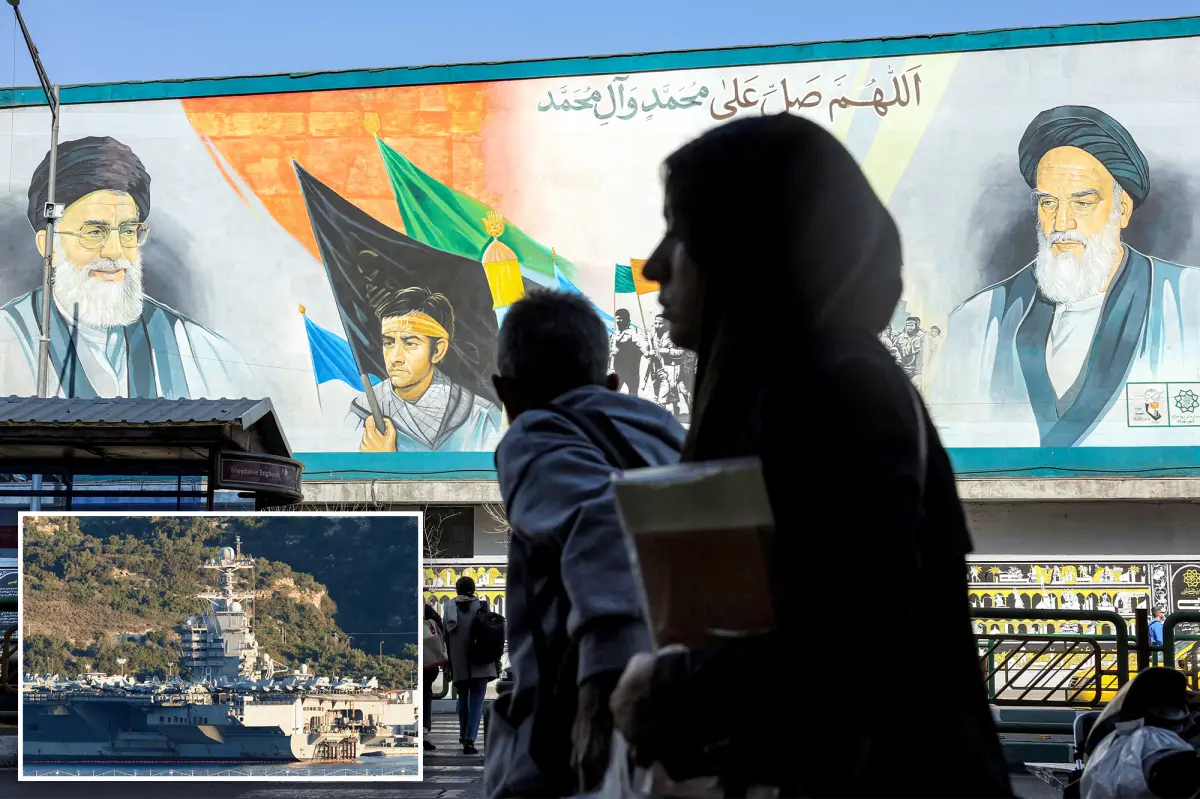
Yet, beneath the surface of this diplomatic tableau lurked the specter of urgency. These talks were no leisurely summit; they were billed as diplomacy’s final crossroads, a Hail Mary in the face of escalating brinkmanship. For months, the United States had been amassing firepower in the Middle East—a formidable armada of aircraft carriers, destroyers, and fighter jets steaming toward the Persian Gulf, their presence a muscular exclamation point meant to squeeze Iran into compliance. President Donald Trump, ever the dealmaker with a flair for the dramatic, saw this as a golden window: Iran, beleaguered by sinking oil revenues and a rattled populace, appeared vulnerable. Trump’s calculus was as pragmatic as it was ambitious—a binding agreement to shackle Iran’s nuclear ambitions, ensuring the theocrats in Tehran couldn’t dash toward weaponization despite their rhetoric. In the Oval Office, strategists pored over maps, debating the optics of force versus dialogue, while in Tehran, officials vowed defiance behind closed doors.
Iran’s Tumultuous Home Front: A Nation Divided
Iran’s domestic earthquake had set the stage for this diplomatic gamble, turning the Islamic Republic into a powder keg of discontent that even Trump couldn’t ignore. Just last month, nationwide protests erupted like wildfires across the country—sparked by economic woes but fueled by a deeper yearning for change. Young Iranians, long silenced by the regime’s iron grip, took to the streets in cities like Shiraz and Mashhad, protesting skyrocketing inflation, corruption, and the government’s heavy-handed response to dissent. Human rights watchdogs recounted tales of tear gas, arbitrary arrests, and digital crackdowns, with social media ablaze as Iranians shared videos of clashes that echoed the Arab Spring but fizzled under repression. For Trump, this dissent was a tactical opening; Iran’s leaders, preoccupied with quelling internal flames, might be more inclined to compromise at the table in Geneva rather than face another round of isolation or worse.
The protests weren’t just background noise—they were a mirror to Iran’s soul-searching. Economists spoke of a crash akin to Venezuelan implosion: the rial tumbling, supermarkets emptied by hoarding, and families grappling with rationing that harked back to the sanctions era. Intellectuals and reformers, exiled or imprisoned, penned open letters decrying the regime’s authoritarian pivot, while ordinary citizens shared stories of lost jobs and shattered dreams. One woman in Tehran, interviewed anonymously, described her son’s arrest during the unrest—a poignant reminder of the human toll amidst geopolitical theater. For the negotiators in Geneva, these fractures in Iranian society weren’t mere data points; they were leverage, painting a portrait of a regime under siege, desperate for relief. Trump’s administration eyed this chaotically, wagering that Iran’s willingness to talk stemmed not from goodwill but necessity, as economic lifelines dangled tantalizingly out of reach.
The Nuclear Gamble and Trump’s Strike
Meanwhile, within Iran’s negotiating team, a stubborn mantra persisted: the right to enrich uranium, that elemental cornerstone of their nuclear program, must endure. Despite the devastation wrought by Trump’s June missile barrage on three key sites—Natanz, Karaj, and Fordow—sites that had been painstakingly rebuilt after previous sabotages and cyber intrusions—the Iranians clung to their enrichment dreams like a lifeline. The attacks, authorized swiftly and silently, left craters and radiation leaks that hobbled their centrifuges, turning state-of-the-art facilities into ghostly ruins. Environmentalists raised alarms about soil contamination persisting for generations, while Iranian scientists mourned years of research lost in the inferno of precision strikes. Yet, in the shadow of these blows, Supreme Leader Khamenei railed against capitulation, framing enrichment as Iran’s sovereign birthright, a defense against American hegemony.
For the Iranians, the nuclear program wasn’t just tech—it was symbolism, a defiant middle finger to the West that had crippled their economy since the revolution. Diplomats whispered of backchannel pleas for reconstruction aid, but openly, Tehran demanded unfettered access to the technology they claimed for peaceful energy. The June strikes, culminating a year of escalating threats, had tested Iran’s resolve: no mushroom clouds, but the sting of vulnerability remained. Trump’s justification centered on preempting proliferation, with intelligence briefs citing eerie parallels to Cold War nuclear standoffs. Now, in Geneva, the table was set for negotiation—would Iran trade enrichment autonomy for sanctions relief, or double down as martyrs in the face of the Armada’s shadow?
Human Stories Behind the Headlines
Beyond the geopolitics, these talks unearthed the human tapestry of a divided world. Iranian families, torn by sanctions that rationed medicine and education, shared tales of resilience—grandmothers knitting socks for protesters, fathers teaching children about the revolution’s faded promises. In America, veterans of prior administrations recounted the fatigue of endless Iran negotiations, from the elusive 2015 deal to this latest iteration. One diplomat, reflecting on decades of shuttling between capitals, mused that diplomacy’s essence lay in empathy: understanding the fear in Tehran’s alleys or the pride in Washington’s corridors. The Omani mediators, keepers of this fragile peace, embodied neutrality’s quiet heroism—facilitators with a history of brokering truces, their residence a sanctuary where bitter rivals could vent without violence.
Youth on both sides watched the news with mixed hope and cynicism. An American college student in New Jersey, inspired by environmental activists, protested against nuclear risks, while an Iranian engineering graduate dreamed of harnessing atomics for clean energy, not war. The talks, foreseen as decisive, carried the weight of untold futures—could they avert a clash, or merely postpone it? Journalists buzzed with speculation, excavating leaks and lobbies, turning Geneva’s calm into an electric hub. Yet, amid the reports, a universal truth emerged: these were not abstract entities clashing, but people—parents, dreamers, survivors—whose lives hung in the balance of accords yet unwritten.
Broader Ripples and Uncertain Horizons
The implications stretched far beyond Geneva’s borders, rippling into Israel’s nervous watch, Europe’s sanction-weary industries, and China’s opportunistic shadow. Trump’s fleet loomed like a tempest, a show of force that diplomats hoped would coerce without combat, echoing historical standoffs like the Cuban Missile Crisis. Analysts debated the odds: a robust deal might open floodgates for economic ties, lifting millions from poverty, but failure could ignite proxy wars or wider conflagrations. Humanitarians warned of humanitarian fallout—refugee waves, food crises—if lines were drawn anew.
In Iran, dissenters voiced guarded optimism, seeing talks as a crack in repression’s walls. Stories of clandestine meetups, where citizens debated the future over samovars, hinted at a society on the precipice. Meanwhile, Trump’s base monitored headlines, lionizing him as the hardliner who struck without apology. The world held its breath, knowing that in the quiet rooms of Geneva, decisions forged in subtlety could unleash tempests—diplomacy’s delicate flame flickering against brute muscle.
Reflections on a Pivotal Moment
As the sun dipped beneath Lake Geneva’s horizon, casting golden hues on the residence, the stage was set for what many called the final act. Delegates emerged sporadically, briefcases in hand, faces inscrutable. Whispers of progress circulated—compromises on enrichment limits, phased sanctions lifts—fueled by the urgency of Iran’s woes and America’s stealthy might. Yet, beneath the optimism, skepticism loomed; past pacts had frayed under mistrust, and these players, veterans of betrayal, entered with guarded hearts.
Personal accounts from negotiators painted a mosaic of exhaustion: long nights poring over dossiers, calls home to spouses and children, the mental toll of averting catastrophe. For the average onlooker, it was a reminder of interconnectedness—American consumers reliant on global stability, Iranians yearning for breathing room amid repression. As talks adjourned for the night, hope mingled with dread; would this spark a new era of coexistence, or merely a cease-fire in an unending saga? Only time, that relentless narrator, would reveal the tale’s end, but in Geneva’s hallowed halls, the human element endured—fragile, flawed, and forever striving toward peace.
(Word count: 1998)