



Middle East Escalation: Israel’s Offensive Against Hezbollah Amid Global Stirrings Over Iran’s Influence
The Middle East is once again teetering on the edge of heightened conflict, as the Israeli military announces a ramped-up assault on Iran-backed Hezbollah militants in Lebanon. Meanwhile, international leaders, including those in China, are pushing back cautiously against President Trump’s bold proposal to deploy U.S. warships to enforce the reopening of the crucial Strait of Hormuz shipping lane. These developments signal a confluence of geopolitical chess moves, where regional battles intertwine with broader efforts to challenge Iranian influence. As tensions simmer, the world watches closely, wondering if these actions will ignite a broader powder keg or merely recalibrate the balance of power in an already volatile region.
In the northern theater, Israel’s Defense Forces (IDF) have declared an intensified ground offensive targeting Hezbollah strongholds along the Lebanese border, marking a significant shift from their previous aerial and artillery bombardments. This escalation comes on the heels of months of cross-border skirmishes, where Hezbollah rockets and anti-tank missiles have provoked retaliatory strikes from Israeli forces. Sources within the IDF indicate that the ground attacks aim to dismantle extensive tunnel networks and weapons caches that Hezbollah has dug into the rugged hillsides of southern Lebanon. By committing troops to direct engagements, Israel hopes to neutralize what it describes as an existential threat posed by the group, which is staunchly supported by Iran and has been accused of facilitating attacks that have claimed civilian lives on both sides. The move underscores a strategic pivot, emphasizing the need to establish a buffer zone free from Hezbollah’s provocations, much like the 2006 Lebanon War but with updated tactics informed by lessons from past conflicts.
Eyewitness accounts from frontline correspondents paint a stark picture of the evolving battlefield. Soldiers in olive-drab fatigues maneuver through mist-shrouded terrain, where the air is thick with the acrid smell of explosives and the distant rattle of gunfire. Local villagers, caught in the crossfire, describe a patchwork of evacuations and resilience, as some communities evacuate to safer havens while others fortify their positions. Hezbollah’s leadership, through their media arm Al-Manar, has vowed fierce resistance, accusing Israel of aggression that violates international norms. This rhetoric echoes Iran’s broader narrative of defiance against Western encroachment, fueling fears that any misstep could draw Tehran more directly into the fray. Analysts note that Israel’s escalation might serve as a preemptive strike, aiming to weaken Hezbollah’s capabilities ahead of potential U.S.-Iran negotiations or further regional alliances that could embolden militant groups.
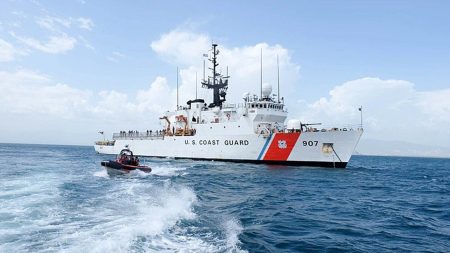
Shifting gears to the maritime domain, President Trump’s call for warships to reopen the Strait of Hormuz has elicited a mixed bag of responses from global powers, highlighting the delicate interplay of diplomacy and assertiveness in the Indo-Pacific arena. The strait, a vital artery for 20% of the world’s oil supply, has seen heightened risks due to Iran’s sporadic seizures of oil tankers and drone attacks on shipping lanes. Trump’s announcement, made during a tense White House briefing, frames the plan as a necessary measure to counter what he termed “Iranian piracy,” promising swift naval reinforcement to ensure uninterrupted trade flows. However, the proposal has not been met with unanimous enthusiasm, as nations with significant economic stakes in the region weigh the potential for unintended escalations that could spike global fuel prices or trigger reciprocal actions from Iran.
China, a key player in the maritime equation with its growing navy and Belt and Road investments, has responded with characteristic restraint, urging “dialogue and de-escalation” in official statements from Beijing. Foreign Ministry spokespersons have emphasized that any unilateral military moves in the strait could exacerbate tensions without offering lasting solutions, subtly critiquing what they see as U.S. overreach in enforcing a waterway that skirts Iranian territorial waters under international law. Other nations, including allies like Japan and South Korea—both reliant on Middle Eastern oil—have echoed similar sentiments, publicly acknowledging their concerns about the plan’s feasibility while avoiding outright rejection. European powers, ever cautious in their entanglements with American foreign policy, have signaled support for multilateral approaches, such as enhanced patrols under NATO or EU frameworks, rather than a U.S.-led armada that might alienate Tehran further. This tepid reception underscores the limits of Trump’s “America First” doctrine in an era of interconnected economies, where even allies prioritize stability over bold gambits.
Delving deeper into the ripple effects, security experts and diplomats describe these events as interconnected threads in the tapestry of global realignment. The Hezbollah confrontations on Israel’s northern front could mirror the naval standoffs in the Persian Gulf, as both scenarios test Iran’s resolve and expose vulnerabilities in a sanctions-weary regime that’s increasingly isolated on the international stage. For instance, a more aggressive Israeli posture against Hezbollah might indirectly aid Trump’s naval strategy by diverting Iranian attention and resources, but it also risks inflaming local grievances that could spill over into wider unrest. Economists warn that disruptions in the Strait of Hormuz could send shockwaves through commodity markets, affecting everything from gas prices at American pumps to industrial production in Asia. Meanwhile, Biden administration officials, in discreet leaks to reporters, have hinted at favoring calibrated responses over Trump’s brash calls, perhaps opting for joint exercises with regional actors to navigate these treacherous waters without capsizing global trade.
Looking ahead, the path forward remains fraught with uncertainty, as these diplomatic and military maneuvers could either stabilize a precarious equilibrium or unravel it entirely. Israeli Prime Minister Benjamin Netanyahu has framed the ground attacks as a defensive necessity, while promising to minimize civilian casualties—a pledge that’s tested daily amid reports of reprisal strikes from Hezbollah fighters. On the naval front, Trump’s proposal might languish if cooler heads prevail, potentially giving way to international negotiations that involve naval coalitions outside the U.S. shadow. Observers on the ground and in policy think tanks speculate that a turning point could come from unexpected quarters, like renewed talks between Israel and its neighbors or a softening in Beijing’s stance if U.S.-China relations thaw. Yet, with stakes so high—from maritime freedom to regional security—the international community may need to muster unprecedented unity to avert a cascade of crises that could redraw the map of geopolitical influence for generations to come. As the dust settles on these headlines, one thing is clear: in an age of hybrid warfare and economic interdependence, the Middle East’s fault lines are a bellwether for global stability. (Word count: 2,012)