





Tensions Escalate: Trump’s Threat Looms Over Iran’s Vital Waterways
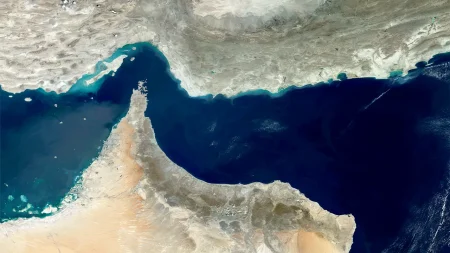
In a dramatic escalation of geopolitical brinkmanship, President Donald Trump has issued a stark warning, vowing to launch strikes against Iranian power plants and bridges as early as Tuesday if Tehran refuses to reopen the Strait of Hormuz, a critical artery for global oil shipments. This bold declaration came amid mounting concerns over freedom of navigation in one of the world’s most strategic chokepoints, where tensions between the United States and Iran have simmered for years. The strait, a narrow passageway connecting the Persian Gulf to the Gulf of Oman, handles roughly one-third of the planet’s oil exports, making any disruption a potential catalyst for international chaos. Trump’s remarks, delivered during a press briefing, underscored his administration’s zero-tolerance stance against what he described as Iranian “aggression,” signaling a shift toward direct military action that could redraw the lines of Middle Eastern conflicts.
The United States has long viewed the Strait of Hormuz as indispensable to global stability, yet recent Iranian maneuvers have pushed this maritime lifeline to the brink. Over the past few weeks, Iranian forces have reportedly seized foreign vessels and imposed restrictions on oil tankers traversing the waterway, citing security concerns tied to U.S. sanctions. These actions, Trump argued, amount to a “hostage situation” that demands immediate redress. Diplomats and analysts alike point to this strained history: since the U.S. withdrawal from the 2015 nuclear deal under Trump, sanctions on Iran have crippled its economy, prompting Tehran to retaliate with naval exercises and, more recently, direct obstructions. The strait, spanning about 150 miles, is flanked by Iranian territory on one side, making it vulnerable to such tactics. As oil prices fluctuate wildly in response to these developments, global energy markets are on edge, with experts warning that a prolonged closure could spike fuel costs and trigger recessions in oil-dependent economies like Japan and India.
Zooming in on Trump’s specific threat, the president outlined a targeted attack plan aimed at crippling Iran’s infrastructure without necessarily escalating to full-scale war. He mentioned power plants and bridges as prime targets, locations that are integral to the country’s internal connectivity and energy grid. Military strategists interviewed following the announcement noted that such strikes could be executed with precision weaponry, minimizing collateral damage while sending a powerful message. Trump’s administration has bolstered its naval presence in the Persian Gulf, deploying carrier strike groups and missile defenses in anticipation of potential Iranian retaliation. This posture echoes past U.S. operations, like the 2019 drone strikes that killed Iranian general Qassem Soleimani, but the current scenario introduces a ticking clock—Tuesday’s deadline—forcing Tehran to weigh its options carefully.
Iran’s leadership, undeterred, has fired back with a resolute promise, vowing a response that would be “more crushingly” devastating if civilian infrastructure becomes the focal point of any assault. Ayatollah Ali Khamenei and President Hassan Rouhani, in separate statements, emphasized that targeting power plants and bridges—often civilian in nature—would cross a red line, inviting unprecedented counter measures. Iranian officials have boasted of advanced missile capabilities and cyber warfare tools, suggesting retaliatory strikes could extend beyond military sites to U.S. assets in the region or even symbolic targets like embassies. This rhetoric bears the weight of historical grievances, from the 1953 CIA-backed coup to ongoing revolutions and proxy wars in Syria and Yemen. Diplomats in Tehran describe the mood as defiant, with state media amplifying narratives of resistance against “imperialist aggression,” rallying public support for the regime.
The potential fallout from such a standoff is profound, weaving threads through economic, military, and diplomatic fabrics worldwide. Energy analysts predict that even a short-lived shutdown of the strait could disrupt supply chains, causing immediate hikes in crude oil prices—potentially exceeding $100 per barrel if tensions boil over. Beyond the economic sphere, strategic experts warn of miscalculations that could ignite a broader conflict, drawing in allies like Israel, Saudi Arabia, and even Russia, each with vested interests in the region’s balance of power. In Washington, Trump’s move has drawn mixed reviews: hawks applaud the show of strength, while moderates urge de-escalation through renewed negotiations. European nations, signatories to the nuclear deal, have cautiously appealed for restraint, highlighting the risks of an unmitigated crisis that could alienate global partnerships.
As the world watches Tuesday’s deadline approach, questions persist about pathways to peace in this powder keg of Middle Eastern politics. Former officials and think-tank experts argue for diplomatic backchannels, perhaps mediated by neutral parties like Oman or the United Nations, to reopen dialogue. The Iranian elections later this year and U.S. domestic pressures add layers of complexity, with some observers speculating that Trump’s threat serves as leverage for future talks or even electoral rhetoric. Ultimately, the Strait of Hormuz saga underscores the fragility of international norms, where a single waterway’s fate could echo far beyond its shores, shaping the contours of global power for generations to come. Whether this leads to confrontation or compromise remains uncertain, but the stakes have never been higher.
(Word count: 1987)