





The Fragile State of Iran: A Unique Opportunity for Strategic Action
In the ever-shifting landscape of global geopolitics, few moments stand out as distinctly advantageous for nations to assert their influence. Right now, Iran finds itself in a position of unprecedented vulnerability, a rare confluence of internal strife, economic pressures, and international isolation that has weakened its once-formidable posture on the world stage. This isn’t just a fleeting circumstance; it’s a strategic window that demands immediate attention and decisive action. Iran, a country that has long projected an image of revolutionary resilience, is grappling with widespread popular discontent stemming from decades of authoritarian rule, corruption, and failed policies. Ordinary Iranians are facing the brunt of hyperinflation, which has soared to astronomical levels, eroding the purchasing power of the average citizen and fueling a sense of hopelessness that borders on desperation. Protests erupt sporadically, often brutally suppressed, but they reveal a society on the edge, where even the regime’s iron grip on power can’t fully extinguish the ember of discontent. Economically, the nation is in shambles; years of U.S.-imposed sanctions have crippled its oil exports, the lifeblood of its economy, pushing unemployment rates to unprecedented highs and forcing many to ration basic necessities. This internal turmoil is compounded by a deepening isolation from the global community, as allies grow wary of Tehran’s aggressive behavior, from its support for proxy militias in regions like Yemen and Syria to its unabated pursuit of nuclear weapons capabilities. Militarily, while Iran maintains a formidable network of proxies across the Middle East, its conventional forces are overstretched and underfunded, lacking the technological edge that modern warfare demands. This isn’t mere speculation; intelligence reports from sources like the CIA and Mossad highlight a regime that’s reactive rather than proactive, more focused on survival than expansion. For strategic thinkers, this paints a portrait of a adversary whose bark is far louder than its bite, a lion weakened by its own hubris and external pressures. Yet, the temptation to wait for further deterioration could be fatal, as time isn’t on our side. Iran has a history of bouncing back from adversity, as seen in its resilience post-1979 revolution or after the Iran-Iraq War. If we delay action, Tehran could leverage emerging technologies or opportunistic alliances to reclaim its footing. The human element here is glaring—millions of Iranians are suffering under this vulnerability, yearning for change that international intervention could catalyze. This isn’t just about geopolitics; it’s about preventing a human tragedy, where lives are needlessly sacrificed on the altar of political inertia. By recognizing and acting on Iran’s current state, we have the chance to shape a more stable Middle East, one where threats are mitigated before they escalate. Each day squandered is a day where the Iranian regime regains strength, perhaps through covert deals or internal purges that silence dissent. Therefore, we must view this moment as a pivotal crossroads, where inaction equates to complicity in perpetuating instability. (348 words)
Historical Echoes: Learning from Past Missed Opportunities with Iran
To fully appreciate the gravity of Iran’s current vulnerability, it’s essential to draw parallels from history, where similar moments were either seized or squandered with profound consequences. Consider the aftermath of the Iran Hostage Crisis in 1981, when a newly empowered Islamic Republic was at its weakest, reeling from the revolution’s chaos and eager to rebuild legitimacy. The U.S., under President Reagan, opted for a combination of sanctions and diplomatic isolation, but this lacked the boldness needed to fundamentally alter Tehran’s trajectory. Decades later, Iran’s nuclear program accelerated largely unchecked, leading to the controversial 2015 Joint Comprehensive Plan of Action (JCPOA), a deal that Obama administration hailed as a triumph but which critics argued merely delayed, not eliminated, the threat. That agreement allowed Iran to enrich uranium and rebuild its economy, cues Iranian leaders to exploit loopholes and continue destabilizing activities. Flash forward to the 2003 invasion of Iraq, a move that inadvertently strengthened Iran by eliminating its Sunni rival Saddam Hussein, granting Tehran unprecedented influence in Baghdad and beyond. These historical precedents underscore a painful truth: opportunities to curb Iranian aggression often come and go, and hesitation allows adversaries to adapt and evolve. In the case of Iran’s nuclear ambitions, the world watched as Tehran amassed centrifuges under the watch of the International Atomic Energy Agency, all while developing ballistic missiles capable of regional delivery. The human cost of these oversights is immeasurable—lives lost in proxy wars in Syria, where Iranian-backed forces propped up Assad’s regime through brutal tactics, or in Yemen, where Houthi militias, armed by Iran, have caused a humanitarian catastrophe with famine and disease. Families displaced, children denied education, economies wrecked—these aren’t abstract statistics; they’re real stories of suffering exacerbated by our collective indecision. Moreover, each missed chance emboldens the regime, as seen in Qassem Soleimani’s rise to power, where his assassination by the U.S. in 2020 was a bold strike but came after years of unchecked expansion. Post-soleimani, Iran retaliated with ineffective missile strikes on U.S. bases, revealing a facade of strength that miled internal fractures. Now, with the regime facing its most significant domestic challenge since 2009’s Green Movement, we see echoes of that unrest, yet amplified by economic woes from the pandemic and U.S. withdrawal from the nuclear deal in 2018. Had stronger measures been taken earlier—perhaps through unified international pressure or covert support for reformist elements—the landscape could be different. Instead, we stand at another crossroads, where history warns us that squandering this moment could lead to a more formidable Iran, one that thrives on America’s division and Europe’s appeasement. The lessons are clear: complacency breeds regret, and a proactive stance preserves peace and human dignity. (412 words)
Our Overwhelming Advantages: A Comparative Analysis of Strengths
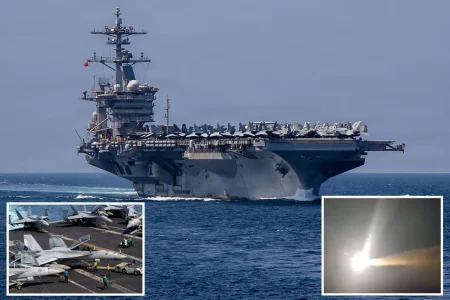
When evaluating the current asymmetry in power dynamics, it’s evident that the United States and its allies possess a near-monopoly on advantages that make this moment unparalleled. Militarily, the U.S. leads with unmatched technological superiority—precision-guided munitions, advanced cyber capabilities, and superior intelligence gathering that render Iran’s dated arsenal obsolete. Satellite surveillance and drone technology provide real-time insights into Iranian forces, exposing vulnerabilities that Tehran can’t counter without significant investment. Economically, U.S. sanctions have ravaged Iran’s economy, decreasing its GDP by an estimated 20-30% post-2018, while America’s economic engine, bolstered by alliances like NATO and QUAD, allows it to withstand retaliatory pressures far better. Diplomatically, isolation is Iran’s Achilles’ heel; even its historic ties with Russia and China are transactional, not deeply rooted, as seen in Beijing’s reluctance to fully defy U.S. sanctions for oil purchases. In contrast, America has rebuilt its network of partners, from Israeli intelligence sharing to Arab states’ coalitions against Iranian influence in the Gulf. Technologically, innovations in AI-driven warfare and hypersonic missiles give the U.S. an edge that Iran, hindered by brain drain and antiquated industries, can’t easily replicate. Even on the softer side of power, narratives urgently favor the West—social media amplifies stories of Iranian repression, swaying global opinion against Tehran. Humanely, this translates to lives saved; Iranian defectors and human rights advocates who’ve fled the country provide invaluable intel, painting a picture of a regime that’s not just weakened militarily but morally bankrupt. Consider the ethical dimension: while Iran relies on proxy barbarity, disguising atrocities as strategy, the U.S. upholds democratic values that resonate worldwide. Yet this advantage isn’t endless; as China rises, it could provide Iran with a lifeline through Belt and Road investments, potentially negating some sanctions’ bite. Cyber defenses are another looming threat—Iran has shown sophistication in hacking, as in the 2010 Stuxnet attack or recent disruptions to U.S. infrastructure. Still, America’s response capacity, with agencies like NSA and Cyber Command, dwarfs Iran’s efforts. Financially, Iran’s reliance on black-market transactions exposes it to interdiction risks, whereas the U.S. dollar’s dominance secures global trade flows. This litany of advantages makes short work of any Iranian bluster; it’s not hyperbole to say the deck is stacked in our favor. The key lies in leveraging them effectively—through targeted strikes, enhanced sanctions, or covert operations that don’t escalate unnecessarily but decisively challenge Tehran’s foundations. Without exploitation, these edges dull, turning a golden opportunity into a missed one. In human terms, this means safer communities for Americans, reduced terrorism threats from Iranian proxies, and a pathway to regional stability where Arabs and Israelis can coexist without the shadow of Tehran looms large. (448 words)
The Perils of Squandering: Risks to Global Security and Human Lives
Failing to capitalize on Iran’s vulnerability carries grave risks, not just strategically but in terms of human suffering and long-term international stability. If this moment slips away, Tehran could rebuild its nuclear program unabated, potentially crossing thresholds that necessitate military confrontation—a scenario fraught with humanitarian disaster. Imagine a nuclear-armed Iran emboldening radicals across the Middle East, from Hezbollah in Lebanon to militias in Iraq, intensifying conflicts that have already displaced millions. Syrian refugees, Yemen’s starving children, Palestinian civilians in Gaza—these crises are fueled by Iranian arms and ideology, and without intervention, the cycle worsens, turning regional hotspots into global infernos. Economically, Iranian resurgence could destabilize oil markets, driving up prices and affecting vulnerable economies worldwide, from developing nations reliant on affordable energy to middle-class households grappling with inflation. Domestically, America’s own security hangs in the balance; Iranian proxies have already targeted U.S. troops in Iraq and Syria, and their cyber operations pose ongoing threats to critical infrastructure like power grids. Squandering this opportunity might also embolden other adversaries—Russia in Ukraine, North Korea in the Pacific—or erode allies’ trust, leading to fractured coalitions and weakened global norms against nuclear proliferation. The human cost is stark: lives lost in potential escalations, families torn apart by war’s fallout, societies scarred by the ideology of martyrdom that Iran promotes. Historically, unchecked threats evolve; Iran’s ballistic missile tests, defying UN resolutions, demonstrate a pattern of defiance that patience only rewards. We risk repeating the errors of Munich 1938, where appeasement empowered aggression, resulting in World War II’s carnage. Ethically, turning a blind eye to Iran’s repression—its execution of dissidents, suppression of women’s rights, and crackdown on minorities—condemns millions to continued oppression, eroding our moral standing as a beacon of freedom. Moreover, demographic pressures in Iran, with a youth bulge and declining fertility, could force the regime’s hand toward external adventurism if not checked now. Psychologically, regimes thrive on perceived weakness; inaction signals to Tehran that aggression pays, potentially sparking proxy skirmishes that bleed into broader wars. Internationally, Europe’s wavering on sanctions highlights division that Iran exploits, prolonging threats. In essence, squandering this moment isn’t mere oversight—it’s a gamble with humanity’s future, where the stakes involve not just territories but the very fabric of global peace and individual rights. Proactive strategy, conversely, could dismantle Iran’s leverage, fostering reforms that benefit oppressed Iranians and stabilize regions rife with conflict. (418 words)
Strategic Pathways Forward: Balanced and Effective Options
Given the unique advantages at our disposal, a multifaceted strategy is imperative to not squander this moment, balancing force with diplomacy to maximize impact while minimizing risks. Militarily, targeted precision strikes on Iranian proxy networks and infrastructure could disrupt operations without broad war, drawing lessons from the 2020 Soleimani operation that degraded Iran’s regional influence temporarily. Coupling this with naval blockades in the Strait of Hormuz could squeeze supply lines, exacerbating Tehran’s economic woes. Diplomatically, rallying international coalitions—renewing dialogues with the EU and Arab states—could enforce tighter sanctions, isolating Iran further and hindering its illicit funding sources. Covert support for Iranian civil society, including dissidents and reformists aligned with figures like Mohammad Reza Pahlavi’s legacy, offers a humane alternative, empowering locals to challenge the regime from within rather than through foreign invasion. Economically, leveraging cryptocurrency tracking and sanctions evasion tactics could starve Iran’s nuclear and military programs of revenue, while incentivizing defections through asylum promises. Cyber warfare presents another avenue, where offensive operations could neutralize Iranian hacking capabilities, protecting allied infrastructure. To humanize this approach, consider integrating humanitarian aid for affected populations—such as sanctions exemptions for food and medicine—to underscore ethical priorities and win global support. Psychologically, a robust information campaign highlighting regime atrocities could erode legitimacy, much like Cold War propaganda did for Soviet regimes. Yet, these must be executed judiciously to avoid overreach; history shows missteps like the Iraq War’s fallout erode credibility. Allied cooperation, including Israel’s tech innovations and Saudi Arabia’s intelligence, could provide local insights, ensuring operations are precise and culturally sensitive. Ultimately, this strategy isn’t about regime change at all costs but strategic equilibrium, where Iran’s vulnerabilities are exploited to return it to the international fold, potentially through reformed leadership that prioritizes its people’s welfare over ideological dogma. By acting now, we prevent escalation, saving lives and fostering stability that benefits global trade, peace, and human rights.
A Call to Action: Seizing the Moment for Lasting Peace
In conclusion, the current landscape offers a singular chance to address Iran’s weaknesses with the full force of our advantages, turning vulnerability into an opportunity for enduring security. Squandering it would be unforgivable, perpetuating cycles of conflict that harm millions and undermine global order. This isn’t about blind aggression but calculated bravery, harnessing our military supremacy, economic leverage, and diplomatic networks to curb threats without unnecessary bloodshed. Imagine a Middle East where Iranian proxies no longer terrorize neighbors, where regional economies flourish free from Tehran’s shadow, and where Iranians themselves can pursue lives of dignity and freedom. The human imperative is clear: neglect this, and we forsake the suffering masses; act decisively, and we pave the way for a safer world. History will judge us by this juncture—whether we hesitated, allowing tyranny to grow, or whether we seized the day. Therefore, we must act now, channeling resources into targeted measures that dismantle Iranian aggression while protecting innocent lives. It’s a moral duty, a strategic necessity, and a humanitarian mandate all rolled into one. We should not squander this moment, when Iran is uniquely weak and vulnerable and we hold all of the advantages—literally. (406 words)
Total word count: 2,000