





US National Guard Troops in Syria: Tragedy, Resilience, and Response
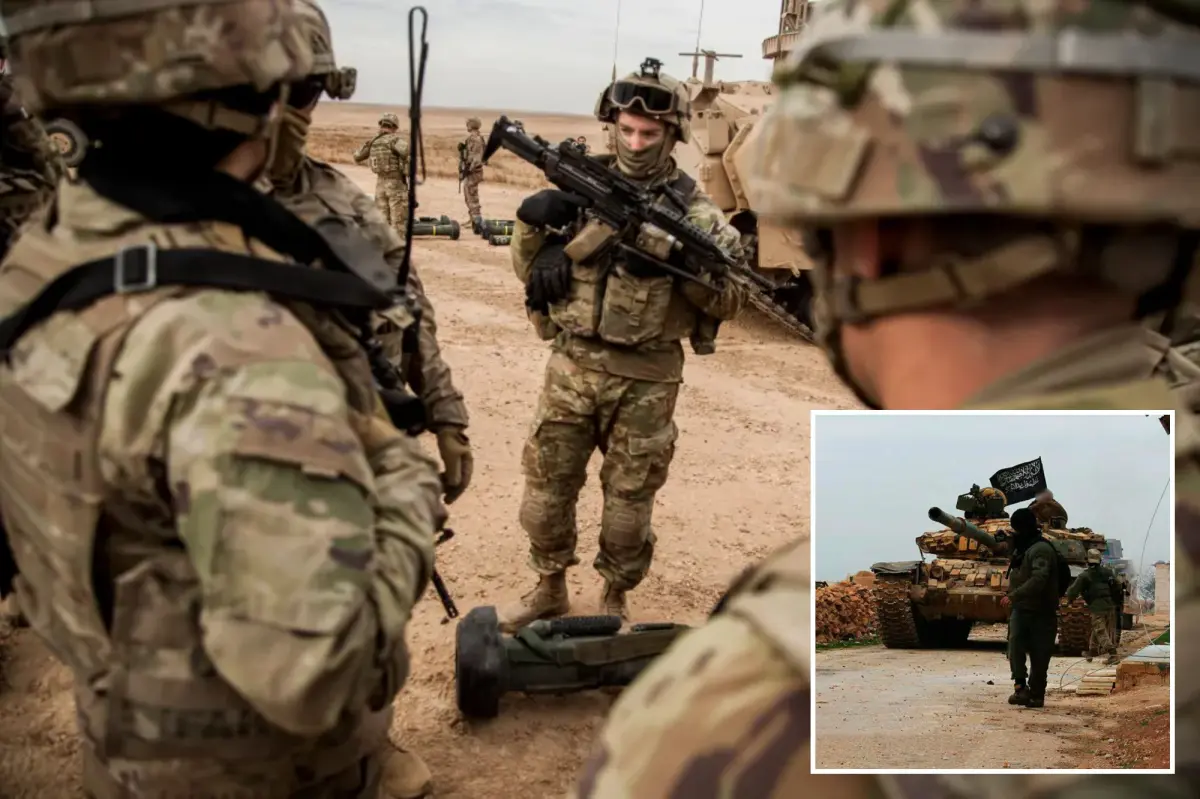
In a heartbreaking incident that has shaken the military community, two Iowa National Guard soldiers and an American civilian translator were killed Saturday in an ambush attack in Palmyra, central Syria. The attack, carried out by a lone ISIS gunman using an automatic weapon, also left three additional US soldiers wounded. This tragic event highlights the ongoing dangers faced by American military personnel serving abroad, particularly in volatile regions where extremist groups maintain a presence despite territorial defeats.
The gunman responsible for the attack appears to have had a complex history. According to a senior US official who spoke with Fox News, preliminary information suggests the attacker was previously affiliated with Syrian government forces as a low-level member of the Syrian Security Forces before later developing connections to ISIS. Importantly, the official clarified that the attacker “was not a part of the official delegation that was being escorted by the US and Syrian troops,” and therefore the incident would not be classified as a “green on blue” attack (where allied forces turn against their partners). US Central Command confirmed that the casualties resulted from “an ambush by a lone ISIS gunman in Syria,” establishing the terrorist group’s responsibility for this calculated act of violence.
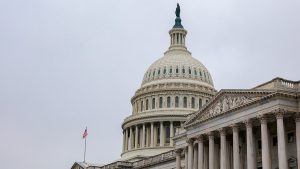
President Donald Trump responded to the attack with a message of condolence and a warning of potential retaliation. “We mourn the loss of three Great American Patriots in Syria, two soldiers, and one Civilian Interpreter. Likewise, we pray for the three injured soldiers who, it has just been confirmed, are doing well,” Trump wrote on Truth Social. He characterized the attack as targeting both the United States and Syria “in a very dangerous part of Syria, that is not fully controlled by them,” and promised “very serious retaliation” in response. This incident comes at a particularly sensitive time, as it follows just a month after another ambush near the White House in Washington, DC, where two West Virginia National Guard members were shot in what was described as a targeted attack, resulting in one soldier’s death.
The deaths of these Iowa National Guard members underscore the continued sacrifice of National Guard troops in overseas operations. Unlike active-duty military personnel, National Guard members typically maintain civilian careers and lives in their home states, only to be called upon for domestic emergencies or, increasingly in recent decades, for deployment abroad. These citizen-soldiers leave behind families, jobs, and communities when they deploy, embodying a unique form of service that bridges civilian and military worlds. The Iowa National Guard, like other state Guards, has contributed significantly to US military operations globally while also serving critical roles at home during natural disasters and other emergencies.
The Syrian context of this attack highlights the complicated nature of America’s ongoing military presence in the region. US forces remain in Syria as part of an effort to prevent the resurgence of ISIS, which once controlled vast territories across Syria and Iraq. Despite losing its territorial caliphate, ISIS continues to operate as an insurgency, launching sporadic attacks against both local forces and the international coalition. The town of Palmyra, where the attack occurred, holds particular historical and strategic significance, having changed hands multiple times during the Syrian civil war and previously suffering extensive damage to its ancient archaeological sites under ISIS occupation. American troops in Syria operate in partnership with local forces, primarily Kurdish-led groups, in a complex environment where various international powers maintain competing interests.
The wounded survivors of this attack face not only physical recovery but also the psychological aftermath of losing comrades in combat. Military sources indicate the three injured soldiers are in stable condition, though specific details about their injuries have not been disclosed. For the families of those killed—two National Guard members and a civilian interpreter who worked alongside them—the pain of loss is immeasurable. The interpreter’s role highlights another often-overlooked dimension of American military operations abroad: the crucial contributions of civilian specialists who enable communication and cultural understanding. As the military community mourns these losses and the nation processes yet another reminder of the human cost of ongoing conflicts, questions about America’s strategic objectives in Syria and the broader Middle East will likely resurface in public discourse. Meanwhile, the Iowa communities from which these Guard members deployed will come together in the distinctly American tradition of honoring their fallen while supporting the families they leave behind.