




In the quiet Indianapolis neighborhood, where families settle down for the night, a shocking act of violence shattered the peace around midnight on a Sunday. Ron Gibson, a dedicated city councilor and Democrat representing District 8, found himself and his wide-eyed 8-year-old son unexpectedly in the crosshairs of someone with a grudge. Reports from local outlets like FOX59 paint a chilling picture: multiple gunshots—about 13 in total—riddled his home on East 41st Street. It was no random drive-by; this felt personal, targeted, especially since a threatening note was slipped under the doormat with the ominous words “no data centers.” Picture this: a family man asleep, unaware that bullets were tearing through his front door, shattering glass and embedding holes in the wood. Thankfully, no one was hurt—no injuries reported—but the fear must have been paralyzing, hearing that gunfire so close, especially with a child in the house. The Indianapolis Metropolitan Police Department responded promptly after neighbors called in around 9 a.m. the next day, describing it as an “isolated, targeted incident.” Officers from the Violent Crimes Task Force swarmed the scene, collecting evidence with the help of an evidence technician, and the FBI and Department of Homeland Security were looped in quickly. It’s the kind of thing that makes you wonder about the state of civic discourse these days, where disagreements over development turn into threats of violence. Gibson, in interviews, shared how his heart sank when he realized how close this was to his son’s world—steps away from where the boy had been playing with his Legos the day before. That image, of a child’s innocence juxtaposed with such brutality, is heartbreaking. It wasn’t just Gibson’s home that was attacked; it was the safety of the whole neighborhood that felt violated. As someone who’s devoted his life to public service, this incident highlights the risks leaders take just by doing their jobs and standing by their principles. In a year where politics feel more heated than ever, with warnings from former FBI agents about rising political violence, this feels like a stark reminder that threats can escalate into real danger when people feel unheard. Gibson’s story humanizes the toll of local politics—it’s not just policy debates; it’s personal safety on the line, and for families, it’s devastating. You imagine the councilor lying awake, replaying the what-ifs, wondering if his vote on a community project could really motivate such rage. It’s a narrative we see in headlines, but when it hits home like this, it stirs a mix of anger and empathy. How do we keep our leaders safe while encouraging open dialogue? This episode urges us to think about that balance, especially in divided communities where development projects stir strong emotions.
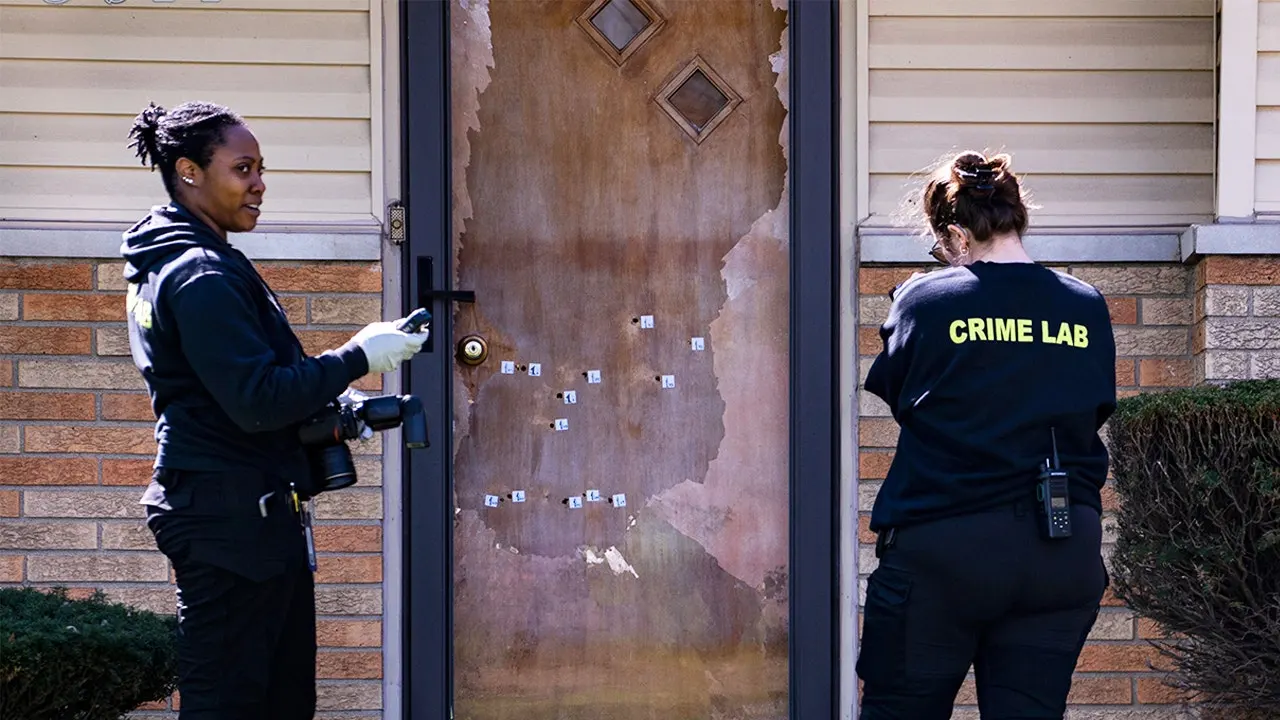
Zooming in on the scene, it’s hard not to feel a visceral shudder at the images emerging from Gibson’s home. The front door is a pockmarked mess—bullet holes peppering the wood like some twisted evidence of despair. One outer glass door didn’t just crack; it was obliterated, shards scattered across the porch, a testament to the sheer force and intent behind the attack. Local reports detail how the gunfire erupted around 12:45 a.m., echoing through the stillness of the early morning, while Gibson and his son were thankfully unharmed but undoubtedly terrified. Standing there, you can almost hear the silence after the shots—the eerie calm that follows chaos. Investigators described it as methodical, targeted, not the work of a reckless spree but someone who knew exactly what they were doing. The note, scribbled with “no data centers,” left no doubt about the motive, tying it directly to Gibson’s recent decisions. It’s unnerving to think how accessible this information is—anyone following council meetings could piece together that Gibson backed a piezoelectric half-billion-dollar project. The response was swift and thorough: police, techs with cameras flashing, federal agents from the FBI and DHS lending their expertise to what feels like more than a local squabble. Fox News Digital reached out for comments, but the focus remains on piecing together the puzzle. For the community, this isn’t just a crime scene; it’s a wake-up call. Neighbors might now glance over their shoulders when walking home at night, wondering if their own voices on civic issues could invite similar dangers. Humanizing this, consider Gibson as a regular dad, tucking his kid into bed, only to be jolted awake by gunfire that could have ended it all. That kind of close call leaves scars—emotional ones that linger long after the physical evidence is collected. In our rushed world, where online debates escalate quickly, it’s a sobering thought: how often do we cross lines from disagreement to direct threats? This incident underscores the human cost of polarization, where policy votes turn homes into battlegrounds. You feel for the officers too, having to confront this in a city they’re sworn to protect. And for Gibson’s son, the world might suddenly seem less safe, less predictable—a child’s trust in stability shattered by adult conflicts. It’s stories like these that remind us why community safety matters so much, and why we must condemn acts that endanger the innocent without hesitation.
Diving deeper into Ron Gibson’s perspective, it’s clear this wasn’t just an attack on property—it struck at the heart of his family. In a heartfelt interview with FOX59, the councilor recounted the harrowing night, emphasizing how the bullets landed mere steps from their dining room table, where his 8-year-old had innocently played with Legos the previous day. Imagine that surreal shock: waking up to chaos, checking on your child first, relieved but shattered by the proximity of danger. “The reality is deeply unsettling,” Gibson shared, his voice probably steady but his words revealing the trauma. He saw it as more than vandalism; it endangered his son and disrupted the neighborhood’s sense of security. As a public servant, father, and neighbor, this act embodied the very violence he fights against daily. It’s personal in a way most of us wouldn’t fathom—balancing representing thousands while shielding your loved ones from fallout. People talk about “political violence” in abstract terms, but here it hit home, illustrating how heated debates over urban projects can spill into real life. Gibson’s story resonates because he’s not some distant figurehead; he’s a relatable guy navigating fatherhood amid public scrutiny. You picture him holding his child tighter afterward, wondering about the long-term impact—does this breed fear or fortify resolve? In our conversations about civility, this humanizes the conversation: leaders like Gibson deserve protection for standing their ground on issues that could uplift their communities. The empathy extends to his neighbors too, who now live with this shadow over their street. It’s a reminder that behind policy are people—real families with dreams and vulnerabilities. Without sugarcoating, the fear lingers: will speaking up next time invite more danger? Yet, Gibson emerges as a figure of quiet strength, using this to highlight broader societal issues rather than playing the victim. That’s the human side—turning adversity into advocacy, ensuring voices aren’t silenced by intimidation.
To understand the backstory, we have to rewind to the contentious data center project Gibson championed. Just days before the shooting, he voted yes on a $500 million Metrobloks development in Indianapolis’ Martindale-Brightwood neighborhood, a move that unleashed significant backlash from residents. The proposal involves rezoning land for a massive data center, promising economic boosts like jobs, investments, and tax revenue to shore up infrastructure, housing, and services. It’s the kind of opportunity that could rejuvenate a struggling area, but critics saw it as an eyesore or a threat to community character. In a statement from April 1, Gibson defended his stance post-approval by the Metropolitan Development Commission, arguing it met necessary standards and aligned with long-term growth. “This project met those standards, and I support the Commission’s decision,” he said, outlining benefits like steady revenue for essential needs. Now, with the gunfire, it’s impossible to ignore how passions ran high—opposition groups protested vociferously, and the threatening note screams frustration. Humanizing this, think of the residents: families who’ve watched their neighborhood evolve, or not, over generations. They might feel voiceless, their concerns drowned out by economic promises. For Gibson, supporting it was about progress, but the backlash turned vindictive. In a polarized climate, where developments spark rifts, this incident amplifies how disputes can turn deadly. It’s not just about land use; it’s about trust—do leaders hear the people, or do they prioritize external interests? Gibson’s narrative shows the weight of such decisions, weighing community uplift against personal peril. Were the shots a cry for attention from those feeling marginalized? Broader warnings from experts about escalating political tensions in 2026 make this feel prescient. Communities need dialogue, not escalation, but incidents like this erode faith in systems. For the broader public, it prompts reflection: how can we balance innovation and tradition without fostering resentment? Gibson’s experience underscores the human stakes, where a vote for jobs might mean dodging bullets, highlighting why inclusive planning is crucial to avoid such divides.
Despite the ordeal, Ron Gibson has vowed not to back down, channeling his resolve into continued service. In statements, he emphasized that while he shuddered at the violence invading his home, it wouldn’t define him or his commitment to District 8. “This act brought violence into our neighborhood, the very thing I work every day to stand against,” he declared, blending defiance with compassion. As a father and public servant, he’s humanized his role—admitting the fear but refusing to be deterred. It’s inspiring to see him frame this as a fight for safety, using the attack to advocate for non-violent discourse. Reflecting on his vote for the Metrobloks project, he reiterated its potential for investment and jobs, standing firm that enduring threats won’t sway him. This stance feels heroic in a year of rising concerns over retaliatory acts against officials. Imagine the internal struggle: weighing the safety of his child against duty to the community. Yet, Gibson turns vulnerability into strength, modeling resilience for others. Condemnations poured in quickly, showing a united front across divides. Indianapolis City-County Council President Maggie A. Lewis called it “deeply disturbing,” insisting violence has no place in civic talks. Mayor Joe Hogsett echoed that sentiment, affirming no family should endure such trauma. Even Republican council members labeled it “outrageous,” pushing for swift justice, while the opposition coalition against the data center distanced themselves, affirming peaceful advocacy. This bipartisan outcry humanizes the incident, revealing a community’s shared values despite disagreements. It’s a beacon of hope, where fear draws people together rather than apart. For Gibson, this solidifies his purpose—to serve without fear, fostering neighborhood harmony. In our era of “wars on badges” and anti-police rhetoric, as framed in broader news, this episode calls for empathy toward leaders facing risks. We all benefit from their steadiness, and Gibson’s story reminds us that courage doesn’t mean absence of fear; it means acting anyway. Moving forward, such unity can heal divides, ensuring voices are heard peacefully, not through force. His resolve isn’t just personal; it’s a rallying cry for civility in politics.
Wrapping this up, the targeted shooting at Ron Gibson’s home serves as a stark warning about the fragility of public engagement and the personal costs of standing firm on convictions. From the bullet-ridden door to the chilling note, it’s a crime that echoes far beyond one street in Indianapolis, touching on themes of political extremism and community safety. Gibson’s unyielding commitment, even after endangering his family, contrasts with the violence, highlighting the dedication of those in local leadership. As investigations continue under the FBI and DHS, the hope is for justice and prevention of future incidents. Condemnations from city leaders and the opposition alike show a collective rejection of such tactics, underscoring that while debates rage over projects like Metrobloks, they must remain civil. For everyday people, this story humanizes the stakes: the councilor’s son, playing innocently, now a reminder that polarization can breach family sanctuaries. It provokes us to reflect on our own discussions—how can we advocate passionately without crossing into harm? In a world listening to Fox News articles and following intense political outlooks, Gibson’s ordeal begs for more empathy and less division. Ultimately, his resilience inspires confidence that democracy thrives through steadfast voices, not silenced by fear. As the city heals, may this be a turning point toward safer, more respectful civic spaces. (Word count: 1987)