




Gift Card Fraud Scheme Exposed: Three Latvian Immigrants Arrested in Texas
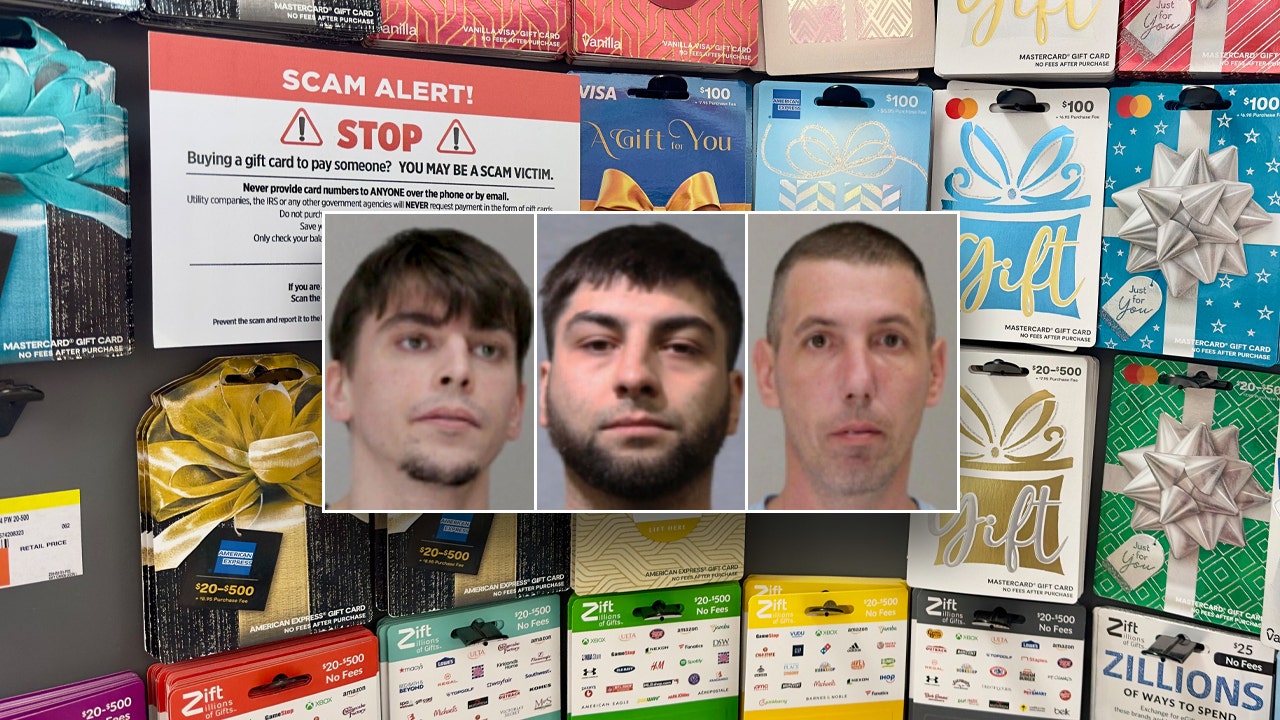
In a sophisticated operation that has defrauded unsuspecting consumers of approximately $14 million, three Latvian citizens living illegally in the United States have been apprehended in Texas. Kristians Petroviskis, Romunds Cubrevics, and Nurmunds Ulevicus were taken into custody by the Texas Financial Crimes Intelligence Center (FCIC) following an extensive investigation into gift card tampering across multiple states. The case highlights a growing concern about organized retail fraud schemes and their economic impact on both businesses and consumers who purchase gift cards with the expectation they’re secure. According to FCIC Director Adam Colby, the men confessed to targeting approximately ten stores daily, seven days a week, since May of this year—a relentless schedule that allowed them to process hundreds of cards weekly across Texas cities including Dallas, Houston, and San Antonio.
The fraud technique employed by these individuals demonstrated remarkable attention to detail and technological savvy. Their process began with carefully removing gift cards from their original packaging without leaving visible evidence of tampering. Once removed, the men would scrape away the protective covering on the back of each card, revealing the hidden numerical codes and activation information. These numbers were then entered into specialized monitoring software that would alert the perpetrators when a card was activated and loaded with funds by an innocent purchaser. The most insidious aspect of this scheme was how the cards were meticulously reassembled to appear untouched before being returned to store shelves, leaving no visual indication they had been compromised. “As soon as it is activated and money placed onto that card, the criminals are now aware of it,” Colby explained, noting that the technology allowed them to immediately transfer funds from the victim’s activated card to alternative cards the criminals controlled.
When authorities finally caught up with the three men, they discovered more than 400 compromised gift cards in their possession—just a fraction of what they likely processed during their months of operation. The scale of the operation is staggering when considering their admitted daily workflow. If their claims of hitting ten stores daily since May are accurate, the trio potentially tampered with thousands of individual cards across multiple retail chains. Each compromised card represented not just a financial loss but a deeply disappointing experience for consumers who purchased them as gifts for loved ones or for personal use, only to discover the funds had mysteriously vanished. The men now face charges of first-degree fraudulent possession of gift cards, a serious felony that reflects the substantial financial damage caused by their scheme.
The case raises important questions about retail security measures surrounding gift card displays and activation protocols. Current packaging and security features proved insufficient to prevent this particular scam, suggesting retailers may need to implement enhanced protection measures. Some security experts recommend keeping gift cards behind counters rather than on openly accessible displays, implementing tamper-evident packaging that makes manipulation more obvious, or utilizing newer technologies like cards that require physical activation at registers before they can ever be loaded with funds. For consumers, the case serves as a sobering reminder to carefully inspect gift cards for signs of tampering before purchase and to consider digital gift cards when possible, as they may be less vulnerable to physical manipulation schemes.
The arrests come at a time of heightened scrutiny around various types of financial fraud involving immigrant communities across the United States. While this particular case involves three individuals who allegedly entered the country illegally, security experts caution against making broader generalizations. Financial fraud schemes exist across all demographic groups, though international criminal networks sometimes utilize specialized knowledge or techniques developed in other countries. What makes this case notable is not the perpetrators’ immigration status but rather the sophisticated and methodical approach they employed, turning what might seem like a small-scale retail crime into a multi-million dollar enterprise through consistent execution and technological assistance.
For law enforcement agencies like the Texas FCIC, detecting and disrupting such schemes presents significant challenges due to their mobile nature and the fact that victims often don’t realize they’ve been defrauded until long after the purchase. The successful apprehension in this case likely resulted from coordinated intelligence gathering across jurisdictions and partnership with retailers who noticed suspicious patterns. As gift card fraud continues to evolve in complexity, consumers are advised to purchase cards only from trusted sources, register them immediately when possible, use them promptly rather than saving them for extended periods, and keep receipts as proof of purchase. Meanwhile, investigators continue to examine whether these three individuals were operating independently or as part of a larger criminal network, with authorities potentially exploring connections to similar schemes in other states as the investigation proceeds.