



Paragraph 1: The Unexpected Encounter at the Border Patrol Facility
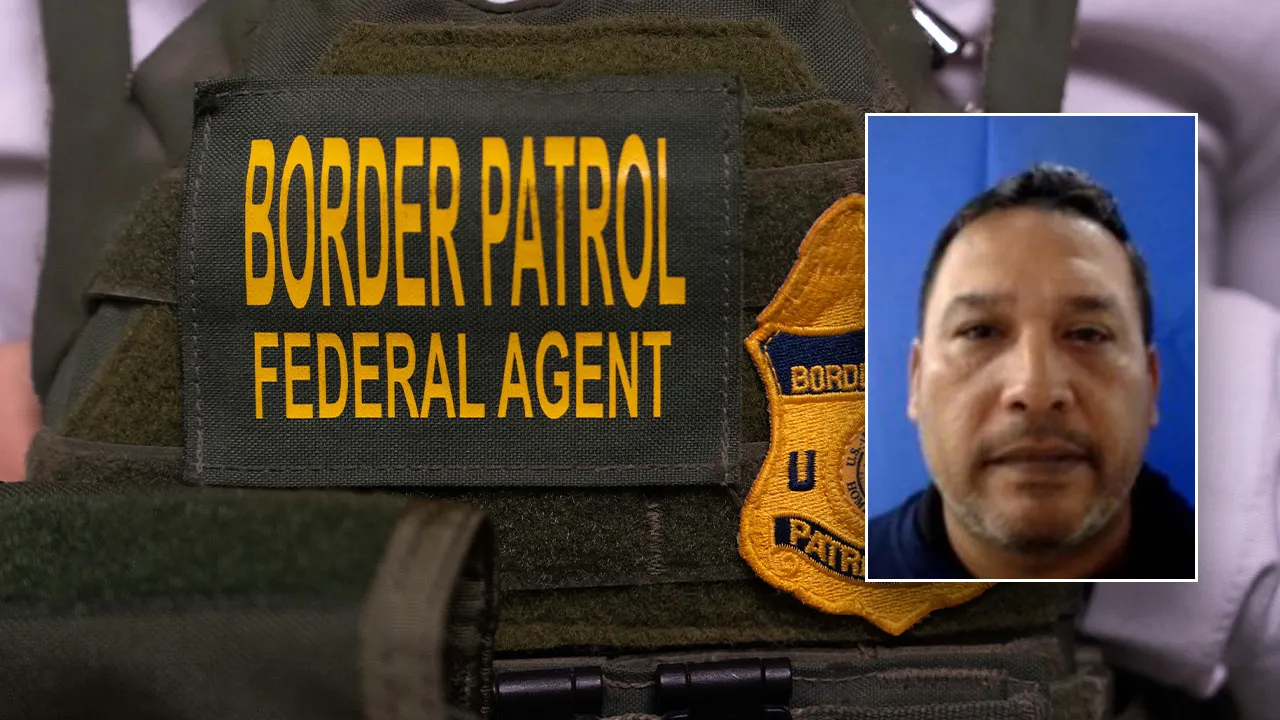
Imagine this: a sunny morning in Dania Beach, Florida, where the palm trees sway and the ocean breeze carries the scent of salt and possibility. That’s the scene where Angel Camacho, a 39-year-old Venezuelan man who’d crossed borders in search of a better life, arrived at a U.S. Border Patrol site on January 6. He wasn’t there for dramatic reasons like sneaking across the desert or hiding in the shadows—he’d been called in to do some straightforward IT contractual work, tweaking computers or fixing network issues for the facility. For many of us, showing up to a job like that feels routine, a chance to earn a living and contribute skills we might have picked up from experiences back home or online courses. Camacho, with his background from Venezuela, probably saw this gig as a step up, a legitimate foothold in America after years of navigating its complex immigration maze.
But fate had other plans. As he checked in, U.S. Customs and Border Protection officials started their standard vetting process, which is designed to keep everyone safe. It’s not unusual—think of it like airport security checks or background screenings for any company job. They pulled up his information, and what unfolded next was a stark reminder of how quickly life can pivot. Angel Camacho, despite his professional intentions that day, was living under the shadow of an expired tourist visa. He’d overstayed his welcome in the U.S. for over five years, slipping through the cracks in a system that’s often overwhelmed. This isn’t just a cold fact; it’s a personal story of someone who might have thought he was blending into American life, perhaps working odd jobs, attending local markets, or even forming connections with neighbors.
As the vetting deepened, the officials unearthed more layers. Camacho’s history included brushes with the law—a theft charge here, an incident resisting a Florida Highway Patrol officer there. These aren’t excuses for his overstay, but they paint a picture of a man who, like many, might have been desperate, maybe fleeing economic hardship in Venezuela amid political turmoil and inflation, only to face new struggles in a new land. For those of us who’ve ever bent rules to survive—whether speeding past a toll or ignoring a library fine—these moments hit close to home. The DHS emphasized that their protocol is about protecting the integrity of secure facilities, not targeting individuals, but in this case, it led to an arrest. Angel was taken into custody by ICE, his day of potential employment turning into a night of detention, wondering what comes next in a system that’s supposed to balance humanity with law.
You’d think a simple IT assignment couldn’t lead to this, but it’s a wake-up call for the broader immigration debate raging in America. People like Angel aren’t faceless statistics; they’re stories of ambition tainted by legal hurdles. As he sat in custody, did he reflect on choices made years ago? Was there regret for not pursuing proper channels, or frustration at a process that feels rigged? Humanizing this means acknowledging the individual—his dreams, his flaws—against the backdrop of policy fails and human errors that let overstays persist for so long.
Paragraph 2: The Broader Implications for Immigration and Employment
Zooming out from Angel Camacho’s personal tale, this incident shines a light on a troubling pattern in American immigration, one that blends hope with harsh realities. Federal authorities have increasingly caught illegal immigrants attempting to embed themselves in key roles like law enforcement and education, roles that demand trust and integrity. Consider the Sierra Leone citizen nabbed while training to be a corrections officer in Pennsylvania. Picture him in uniform, perhaps feeling the weight of a badge he thought he’d earned through dedication, only for borders to erase that dream. Or Ian Roberts, who led Iowa’s largest school district, Des Moines Public Schools, as superintendent before ICE intervened. These aren’t isolated events; they’re ripples in a pond disturbed by lax vetting and overstayed visas.
What makes these stories resonate is the human cost. Immigrants often arrive with skills honed in home countries—think doctors, teachers, tech experts—seeking to build lives amidst economic pressures or instability back home. Yet, without proper documentation, they’re playing a high-stakes game, one where a paycheck in education or security can feel like validation of hard work, but the risk of discovery looms like a storm. For many Americans, especially those in small towns or urban classrooms, leaders like Roberts might have seemed inspirational, guiding kids toward futures they themselves chased. But when the truth emerges, it erodes trust, leaving communities questioning authenticity in positions of power.
This isn’t just about legality; it’s about the moral fabric of America as a land of opportunity. Camacho’s arrest, slotted into this mosaic, highlights how employment offers can act as magnets for those without status, creating vulnerabilities in secure jobs like IT at a Border Patrol site. Imagine the irony: a Venezuelan tech guy, coding away, potentially accessing sensitive data while undocumented. DHS officials stress they’re not out to punish but to protect, vetting everyone to avoid threats. But for people like Angel, it begs the question: at what point does a desire to work to support a family outweigh the rules? Humanizing this means seeing the desperation—families split by borders, children left behind, economic migrations that leave no choice.
Moreover, it’s a double-edged sword for employers. Companies or agencies hiring contractors often rely on resumes and references, not always delving deep into immigration status. In a country like ours, where talent pools are global, this gray area breeds dishonesty, but also sympathy. Angel’s story, paired with others, fuels debates on reform, on pathways to citizenship for long-term residents contributing quietly. It’s easy to vilify when headlines scream “illegal,” but harder to ignore the contributions—the tech fixes, the lessons taught, the security maintained by those whose papers say “temporary” yet stretch indefinitely.
Paragraph 3: The Role of Vetting and Border Security Protocols
Delving into the mechanics of what happened that January morning reveals a system built on caution, yet one that’s fallible when confronted with human tenacity. At the U.S. Border Patrol center in Dania Beach, the vetting process is thorough, as DHS Deputy Assistant Secretary Lauren Bis explained: all external visitors are checked to ensure safety and operational integrity. Think of it like a fortress gate—background checks, identity verifications, everything cross-referenced against databases humming with visa details, arrest records, and more. For Angel Camacho, arriving with what seemed like a modest IT assignment, this was just another step, perhaps even an exciting one, in a career trajectory.
But the process exposed cracks. His tourist visa, issued for a brief stay, had expired five years prior, a timeframe that speaks to systemic weaknesses. In a nation grappling with millions of overstays, tracking every expired visitor is akin to herding cats—impossible without resources and tech that lag behind. Officials uncovered not just the overstay but Camacho’s criminal history, adding layers to justify the arrest. This vetting isn’t impersonal; it’s designed by people who understand the stakes, from preventing wrongful accesses to safeguarding national security. Yet, it humanizes the officials too—they’re not robots enforcing cold laws; they’re parents, professionals, ensuring kids aren’t guided by superintendents with hidden pasts or correction officers with undisclosed status.
What strikes me about this is the balance between protection and opportunity. For immigrants like Angel, knowing vetting could unravel their lives makes every job application a gamble. Did he lie low to avoid detection, fearing deportation and separation from whatever life he’d built? The arrest and transfer to ICE custody must have been jarring, a pivot from tech troubleshooting to prison walls. Human stories in immigration often involve such abrupt shifts—dreams deferred by bureaucracy. Bis’s statement underscores the “why” behind these measures: to maintain trust in facilities where daily operations involve sensitive info. But it also invites scrutiny on whether policies are equitable, offering amnesty programs or easier paths for those who’ve integrated.
Broader trends show this isn’t new. The string of arrests in education and law enforcement sectors indicates a push to tighten loopholes, but at what cost? Communities benefit from diverse talent, yet integrity demands rigorous checks. Camacho’s case, with its IT role at a Border Patrol site, amplifies the irony—border agents reliant on external help from someone outside legal bounds. It’s a reminder that in our interconnected world, borders aren’t just physical lines but data points and human connections that must align for harmony.
Paragraph 4: Political Echoes and Funding Battles in the Spotlight
Against this personal drama plays out a larger political theater, one where Angel Camacho’s story intersects with national debates on immigration reform. Just as his arrest gained traction, news broke of Senate Majority Leader Chuck Schumer and fellow Democrats blocking funding for the Department of Homeland Security, setting the stage for a State of the Union showdown. This isn’t coincidental; it’s a clash over resources that could have prevented or revealed more such incidents. Imagine the frustration among DHS officials, tasked with vetting visitors without full tools, knowing Congress holds the purse strings.
For everyday Americans, this feels like gridlock in action, where human stories like Angel’s get entangled in partisan battles. Democrats, pushing for comprehensive reform that includes pathways to citizenship, argue against piecemeal enforcement. Republicans, often emphasizing border security, see blockades on funding as hindering anti-crime efforts. Camacho’s overstay, exposed during routine checks, becomes a symbol—proof that without adequate funding, the system patches gaps with heroic effort but inevitable oversights. It’s not just bureaucracy; it’s about priorities, with families affected on both sides of the aisle.
Humanizing this means recognizing the real people behind the headlines. Schumer’s push for funding might stem from constituents in New York or elsewhere who empathize with immigrants’ plights, perhaps having relatives who’ve navigated similar paths. On the other side, there’s concern for safety, amplified by stories like Camacho’s criminal background. The State of the Union address, potentially a showdown, promised to air grievances, but for Angel, detained and awaiting what the American justice system deems fair, it’s mute background noise. Policies like this shape destinies—more resources could mean better tracking of overstays, but without reform, it perpetuates cycles.
This incident also ties into the Fox News feature allowing listeners to absorb articles, bridging divides for those busy with life. Whether tuning in on a commute or over coffee, news like this invites reflection: how do political choices affect individual fates? Angel’s arrest isn’t isolated; it’s a thread in a tapestry of immigration narratives, urging compromise over obstruction.
Paragraph 5: Personal Reflections and the Human Face of Policy
Stepping back to reflect on Angel Camacho’s journey, it’s impossible not to ponder the human element beneath the policy veneer. Born in Venezuela, a country scarred by exodus due to crisis, Angel likely left seeking stability—perhaps escaping poverty, violence, or lack of opportunity. Five years in the U.S. as an overstay paints a picture of quiet resilience, blending into communities, maybe learning English from YouTube, or finding solace in local Venezuelan enclaves in cities like Miami. His criminal history—those flashes of theft and resistance—might have stemmed from survival instincts gone awry, not malice.
Yet, arriving at a Border Patrol site for IT work adds irony. Did he feel secure, thinking his skills trumped legalities? Or was it desperation for a paycheck to keep afloat? Humanized, he’s not a villain but a nuance—a man whose ambition led him astray, now facing consequences that could mean deportation, separation, and starting anew elsewhere. For those who relate, it’s a cautionary tale about the risks of overextension when visas expire and legal avenues are daunting.
Comparisons to others—like the Sierra Leone trainee or Ian Roberts—underscore systemic flaws. Superintendents shape futures; trainees influence safety. Without vetting, hidden truths erode faith. Camacho’s story invites empathy: reforms for long-term residents? Amnesty? But it also demands accountability, balancing mercy with order. In our diverse nation, stories like his remind us that behind every overstay is a person, a family, dreams deferred.
As Fox News introduces audio versions, accessible news fosters understanding. Camacho’s arrest isn’t just news; it’s a narrative urging dialogue, blending individual struggles with collective solutions for a more humane approach.
Paragraph 6: Looking Ahead: Lessons and Calls for Change
Looking forward, Angel Camacho’s arrest beckons broader examination of immigration to foster fairness. His tale, with criminal past and expired visa, highlights vetting’s necessity yet flaws in a resource-starved system. Democrats’ DHS funding block fuels tension, spotlighting needs for reform amid State of the Union debates. Humanizing means seeing dreams beyond legality—families reunited, skills utilized legally.
For policymakers, this demands investment in tracking overstays and pathways, avoiding repeats like arrests amid jobs. Communities gain from integrated talent, but trust requires transparency. As audio features expand, news reaches more, spurring empathy. Ultimately, Camacho’s story urges balance: protect security while honoring humanity, ensuring America’s promise shines for all, not just the privileged. Through reform, vignettes like this could yield brighter chapters, where work aligns with lawful entry, transcending divides.