





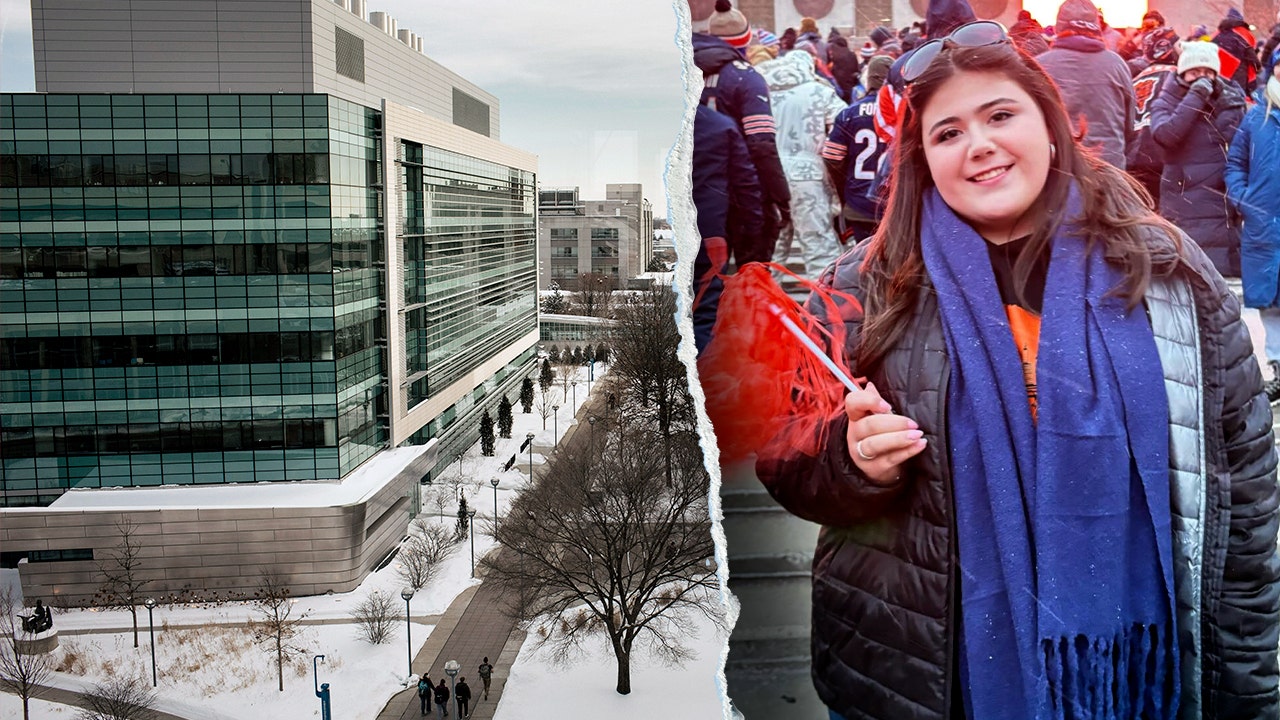
The tragic story of Sheridan Gorman, a bright young freshman from Westchester County, New York, attending Loyola University Chicago, unfolds against a backdrop of grief and systemic failures that have shattered countless families. Just 22 years old, Sheridan was full of promise—studying with passion, building friendships, and embracing the adventures of college life. On that fateful Thursday evening near the Chicago lakefront, she and a group of friends were strolling along the pier, likely laughing about their day, dreaming of the future, or simply enjoying the cool breeze off the water. Life felt ordinary, almost idyllic. But in an instant, everything changed. According to sources, a masked gunman approached the group with calculated intent. This wasn’t a random encounter; police describe it as an apparent ambush, where the shooter, possibly Jose Medina-Medina, targeted Sheridan’s group and opened fire, striking her in the head as she tried to flee. The scene must have been one of utter horror—friends screaming, chaos erupting on the pier. Sheridan was pronounced dead at the scene, her vibrant spirit extinguished before it could fully bloom. No one else was injured, leaving investigators to wonder about the shooter’s motive. What drove someone to end a life so violently, so coldly? Medina-Medina, a 25-year-old Venezuelan national, is now in custody, believed to have been living in Chicago’s Rogers Park neighborhood. Police identified him partly due to a noticeable limp, a detail that paints a picture of a man navigating streets quietly, perhaps blending into the community. Yet, behind this identification lies the human cost of failed policies. Medina-Medina entered the U.S. illegally during the Biden administration, as confirmed by the Department of Homeland Security (DHS). Apprehended by Border Patrol on May 9, 2023, he was processed but ultimately released into the country—a decision that haunts millions who fear porous borders allow danger to seep in. Just weeks later, on June 19, 2023, he was arrested in Chicago for shoplifting and released again. These releases weren’t anomalies; they highlight a pattern where individuals with criminal tendencies are set free, potentially endangering innocent lives like Sheridan’s. Imagine the border agents who let him go—perhaps overwhelmed by the sheer volume of crossings, doing their best in an underfunded system. On the flip side, think of families like the Gormans, trusting that American streets are safe for their children. Medina-Medina is now quarantined in jail for a potentially contagious condition, possibly tuberculosis, a reminder that health risks accompany migration. The firearm linked to the crime has been recovered, with gunshot residue tests pending. This waiting game for forensic evidence mirrors the broader societal wait for justice and reform. Sheridan’s story isn’t just a headline; it’s a poignant reminder that behind every statistic lies a person whose dreams were robbed. Her friends, left traumatized, will carry the weight of “that night” forever—nights that should have been about fun, not fear. Authorities urge caution, but the emotional toll on the community shows how one act of violence ripples out, eroding trust in a city known for its welcoming spirit. As investigations continue, questions linger: Could this have been prevented with stricter enforcement? Sheridan’s life, cut short, symbolizes the fragile line between freedom and safety in modern America.
Delving deeper into Jose Medina-Medina’s journey, it’s impossible not to humanize the complexities of migration and the failures that led him to this tragic path. A 25-year-old Venezuelan, Medina-Medina likely fled his home country amid its economic and political turmoil, where inflation, crime, and unrest drive many to seek better lives elsewhere. Picture him risking everything—crossing treacherous terrain, evading patrols, dreaming of opportunities in a land of promise. Apprehended at the border on May 9, 2023, under the Biden administration’s watch, he was processed through a system that, as DHS Secretary Alejandro Mayorkas testified just a month prior, was supposedly secure. “It is my testimony that the border is secure,” Mayorkas had declared on Capitol Hill, words that now ring hollow for families mourning losses. Released with scant resources or supervision, Medina-Medina wandered into Chicago, a bustling city of immigrants and dreamers. There, he blended into neighborhoods like Rogers Park, where diverse communities live side by side—Venezuelans, students, locals all sharing spaces. Yet, on June 19, 2023, his presence turned problematic when he was arrested for shoplifting. Not a violent crime in itself, but a red flag in an immigration system that releases rather than deport. In a human context, this begs empathy: Was Medina-Medina desperate, turning to petty theft to survive? Or was it a sign of deeper issues, perhaps untreated mental health struggles or trauma from his journey? Released yet again, he carried on, perhaps unnoticed by most, until that ambush on the lakefront pierced the city’s calm. Now quarantined for a condition like tuberculosis, he faces isolation, his health a ticking clock in the crowded jail system. This quarantine isn’t just a precaution; it underscores how unchecked migration can introduce health crises into communities. For every Medina-Medina who causes harm, countless others flee violence, seeking asylum with hope in their hearts. But the releases—two in quick succession—highlight a vulnerability in U.S. policy. Families like Sheridan’s grapple with this reality, wondering if stricter vetting could have spared their loved one. The emotional weight is heavy: Immigrants striving for dignity clashing with the safety needs of citizens. Sheridan’s death exposes these tensions, forcing reflection on whether compassion for migrants sometimes comes at the expense of protecting homegrown dreams. As investigations unfold, with firearm recovery and residue tests awaiting, the narrative shifts to accountability. What if that first border release had triggered deportation? Would Rogers Park have been safer? Medina-Medina’s limp, his mask during the attack—these details turn a suspect into a shadow, but they also invite speculation about his motives. Was it desperation? Rage? Or something more calculated? In humanizing this, we see fractured lives: Medina-Medina as a man fleeing hardship, yet becoming a harbinger of it. Sheridan’s friends, recovering psychologically, may never walk those piers again without dread. This incident isn’t isolated; it’s a symptom of broader immigration debates, where policies like catch-and-release under the Biden era are scrutinized. The pain for the Gormans is palpable—losing a daughter who embodied kindness and intention. Society must balance open doors with secure gates, lest tragedies like this multiply. As ICE lodges a detainer, urging Illinois not to release him, the call for change echoes through grieving homes.
The shooting itself was a brutal ambush, painting a vivid picture of terror on an otherwise peaceful evening. Sources describe Medina-Medina—perhaps masked to conceal his identity—approaching Sheridan’s group on the Chicago lakefront pier. Witnesses might have seen him limping closer, his figure eerie against the setting sun. As gunfire erupted, Sheridan tried to escape, but a bullet to the head ended her flight. Her friends, frozen in shock, watched a life slip away—lives marked by innocence and potential. Pronounced dead at the scene, Sheridan left no chance for goodbye, her family learning of the horror in agonizing detail. Police quickly zeroed in on Medina-Medina, his arrest in Rogers Park following swiftly. The recovered firearm, under forensic scrutiny, might reveal more about his actions. Was this premeditated, or a spur-of-the-moment explosion of anger? Humanizing the moment evokes raw emotion: Imagine Sheridan’s last thoughts—fear, confusion, a plea for help—as friends crouched or fled. Their “normal night” turned nightmarish, altering legacies in an instant. No broader threat to the community existed, local officials insist, downplaying it as a random, tragic convergence. Yet, for Sheridan’s circle, it’s indelible trauma. Alderwoman Maria Hadden suggested they were in the “wrong place at the wrong time,” possibly startling Medina-Medina. But this doesn’t assuage the grief; it feels reductive, minimizing a loss that reverberates. Sheridan’s faith and kindness—values her family cherished—were extinguished violently. Quarantined for possible TB, Medina-Medina sits in isolation, his health mirroring the emotional quarantine families endure. The gunshot residue tests could solidify evidence, but the human aftermath lingers: traumatizing friends, shattering parental dreams. Sheridan’s journey to college was about growth—embracing Chicago’s vastness—but ended in vulnerability. This ambush starkly illustrates how sanctuary cities, while compassionate, can harbor unchecked risks. As investigations press on, the emotional narrative deepens, urging empathy for victims while probing systemic lapses. Sheridan’s story, tragic and personal, demands scrutiny of policies letting dangerous individuals roam free.
Sheridan Gorman’s family, shattered by unspeakable loss, shared a heartfelt statement that humanizes the depths of their anguish, reminding us that behind every tragedy lies a tapestry of love and dreams cruelly severed. “Sheridan was the heart of our family,” they mourned, painting a portrait of a young woman who lived with intention, faith, and unmatched kindness. Imagine her as a bridge-builder, making everyone feel included, understood, and valued—a rare soul in a world often divided. At just 22, she was embarking on a journey filled with potential, her Navy Yard School Yearbug Madras Pastel cap—a symbol of her high school days—perhaps perched on her head as she strolled. Lost forever, that cap and the dreams it represented: graduating, traveling, building a life rooted in compassion. “Three days ago, our lives were shattered in a way no family should ever have to endure,” the family lamented, their words echoing the raw, unending pain of sudden sorrow. In humanizing terms, envision a household turned silent, photo albums revisited with tears, meals eaten without her infectious laugh. Her absence is a void that children, siblings, and parents confront daily—welfare questions linger, like “What would Sheridan say?” or “How would she comfort us?” This grief isn’t abstract; it’s palpable, forcing communities to confront immigration’s human costs. Sheridan’s story, amplified by tragic precedents, fuels calls for change. Families mourn not just one death but the pattern—accusations that sanctuary policies enable catastrophes. Yet, even in sorrow, the Gormans’ plea for common sense resonates, a gentle but firm urging to honor life over ideology. As detained by ICE, Medina-Medina’s fate hangs in balance, his releases scrutinized. Sheridan’s family embodies resilience amid rupture, their statement a beacon of love challenging fear-driven narratives. In grief’s embrace, they humanize the broader debate, showing how one daughter’s light can illuminate systemic shadows. Society owes them healing, through tighter borders and compassionate enforcement, ensuring Sheridan’s memory inspires safeguards for others’ futures.
Criticism of Illinois Governor J.B. Pritzker and Chicago’s sanctuary leadership has intensified in the wake of Sheridan’s killing, with voices like Acting Assistant Secretary Lauren Bis decrying the human toll of unchecked releases. “Sheridan Gorman had her whole life ahead of her before this cold-blooded killer decided to end her life,” Bis stated poignantly, her words capturing the stark contrast between potential and peril. Released twice—first at the border, then after shoplifting—Medina-Medina embodies a cycle of leniency that sanctuary policies ostensibly support. BIS urged Pritzker and city leaders not to free him again, highlighting ICE detainers for thousands of criminal illegals as a critical safeguard. Grieving fathers, like Sheridan’s, have publicly condemned this “chaos,” pleading for sanity in policies that inadvertently endanger citizens. In humanizing terms, consider the disillusionment: Families trusting leaders for protection, only to face indifference. Sheridan’s sister or parents, echoing past tragedies of abused corpses under similar releases, question why compassion stops short of deporting threats. Sanctuary cities, beloved for inclusivity, now face ethical dilemmas—welcoming all, yet risking innocents like Sheridan. Pritzker, accused of ignoring pleas, must grapple with emotional fallout: Lives lost, communities fractured. Critics argue these policies, while humanitarian, create havens for those who harm. Median-Medina’s limp and mask weren’t flags raised; releases were. Emotionally, this pits empathy for migrants against justice for victims—Venezuelans fleeing oppression versus American families grieving. Sheridan’s alumni, threatened with vigilance, demand accountability. Broader concerns mount as ICE data shows thousands detained, unreleased. Humanely, we can empathize with immigrants’ struggles, but Sheridan’s death underscores safeguarding borders as humane too. iff her legacy prods reform.
Broader implications ripple from Sheridan’s death, exposing vulnerabilities in American immigration and sanctuary frameworks that affect countless lives, demanding a human-centered approach to reform. Medina-Medina’s story—a Venezuelan migrant released amid border testimony of security—highlights systemic strain, where overwhelmed agents juggle crises. Released again after theft, he navigated Chicago freely, his potential for violence unchecked. Now quarantined, possibly with TB, he symbolizes health and safety risks. The family’s heartache evolves to activism, challenging narratives of incidents as isolated misfortunes. Officers suggest wrong-place-wrong-time dynamics, but victims see policy failures enabling tragedies. Emotions surge: Gutierrez grieving abused remains, or Gormans pleading sense, accentuating lofty ideals versus ground realities. Sanctuary leaders face backlash, indifference accused of enabling killers. Yet, humanize migrants like Medina-Medina—fleeing Venezuela’s despair, seeking solace—balancing with U.S. protection needs. Father’s condemnations evoke rationality over ideology, urging detainer honor. Investigations linger with tests, while community worry festers—friendships altered, fears ingrained. Sheridan’s kindness legacy inspires action: Secure borders for all well-beings. Pritzker’s onus weighs heavily—pleas ignored, lives endangered. As ICE honours victims, calls amplify for changes ensuring compassion without calamity. In storytelling, this tragedy warns: Empathy demands balance; unchecked flows endanger innocents. Sheridan’s eternal impact pushes empathy into enforcement, healing divisions through sensible safeguards. Families like hers deserve solace, communities safety—her death a catalyst for human progress. Ultimately, humanizing means honoring her spirit, fortifying systems to prevent recurrences, fostering unity in diverse lands. Loketing Medina’s narrative, we see intersections of hope and harm, urging comprehensive reforms bridging compassion with vigilance.Just 22 years old, Sheridan Gorman was a beacon of kindness and ambition, a freshman at Loyola University Chicago from Westchester County, New York, whose life was tragically cut short on a seemingly ordinary Thursday evening near the Chicago lakefront. Imagine her and her friends strolling along the pier, perhaps sharing laughs about their day, coffee runs, or future plans—those simple joys of youth that define college life. The group was just being young, enjoying the cool Lake Michigan breeze, when a masked gunman, later identified as Jose Medina-Medina, approached with deadly intent. Police sources describe it as an apparent ambush, where the shooter opened fire on the group. In a desperate bid to escape, Sheridan was struck in the head and collapsed; she was pronounced dead at the scene, leaving no other injuries but an indelible scar on her community. Her friends, traumatized by the sudden violence, will forever relive that piercing moment of terror, their “normal night out” forever altered. Medina-Medina, a 25-year-old Venezuelan national believed to be living in Chicago’s Rogers Park neighborhood, bears a distinct limp that aided his identification. Now in custody, he’s quarantined for a potentially contagious condition like tuberculosis, a stark reminder of the unseen risks migrating individuals might bring. Investigators have recovered a firearm linked to the killing, with gunshot residue tests pending to solidify the evidence. This wasn’t just a crime; it was a cold-blooded act that robbed a family of their cherished daughter, who lived with intention, faith, and an innate ability to make everyone feel included and loved. Family friends and community members mourn not just her loss but the haunting “what ifs”—what if she hadn’t been there that evening, or if stronger safeguards had been in place? Sheridan’s story humanizes the broader immigration debate, showing how one life, full of promise, can be extinguished by systemic failures, leaving a void that echoes through countless hearts.
اض Digging into Medina-Medina’s background reveals a human story of migration marred by policy lapses, raising questions about compassion versus security. As a Venezuelan fleeing his country’s turmoil—think of collapsing economies, political unrest, and the daily struggles that push thousands northward—Medina-Medina likely envisioned America’s promise of freedom and opportunity. Apprehended by U.S. Border Patrol on May 9, 2023, during the Biden administration, he was processed but released into the country, a decision echoed in DHS statements. Just one month prior, DHS Secretary Alejandro Mayorkas had testified on Capitol Hill that the border was secure, a claim that now feels bitterly ironic for families grappling with the consequences. Imagine border agents, overworked and under-resourced, making tough calls in a flood of crossings—perhaps seeing Medina-Medina as just another hopeful migrant rather than a potential threat. Released, he made his way to Chicago, blending into vibrant neighborhoods like Rogers Park, where immigrants from Venezuela and beyond build new lives among students and locals. But on June 19, 2023, his path darkened when he was arrested for shoplifting—a minor crime, but one that should have triggered closer scrutiny. Yet, he was released again, marking a pattern of leniency that allowed him to continue undetected. This cycle of apprehension and release highlights a system where humanitarian ideals sometimes blur lines, letting individuals with criminal histories slip through. Medina-Medina’s limp and his masked approach during the ambush add a layer of mystery—was he desperate from unaddressed trauma, still reeling from his migration ordeal? Perhaps untreated stress or desperation fueled his actions. Now quarantined, possibly with tuberculosis, his health crisis underscores another facet of immigration’s complexities: the potential for contagious diseases to spread in overcrowded facilities or communities. Families like the Gormans must reconcile the human plight of migrants like Medina-Medina—escaping persecution in Venezuela—with the stark reality of their daughter’s violent end. This tension humanizes policy debates: On one hand, empathy for those fleeing hardship; on the other, accountability for protecting citizens. Sheridan’s death isn’t just a statistic; it’s a catalyst urging balanced reforms, ensuring that border security honors both migrant hopes and American safety.
The ambush on the lakefront pier was a chilling ordeal that unfolded in seconds, turning a serene evening into a nightmare for Sheridan’s friends and the wider community. Sources indicate Medina-Medina, possibly wearing a mask to conceal his identity, targeted the group with apparent premeditation. As gunfire rang out, Sheridan attempted to flee, but a fatal shot to the head ended her instinctive dash for safety. The scene was one of pure pandemonium—screams, confusion, and the grim realization of loss. Her friends, in shock, watched helplessly as police arrived, their lives marked by this indelible trauma. No one else was harmed, but the emotional wounds linger, with flashbacks of that “wrong place at the wrong time” scenario potentially haunting them for years. Local Alderwoman Maria Hadden downplayed broader threats, suggesting the encounter might have stemmed from startling Medina-Medina at the pier’s end, perhaps misinterpreting casual laughter as provocation. While reassuring community members of no looming danger, her words don’t erase the fear instilled in Westchester families or Chicago residents who now question the safety of public spaces. The recovered firearm, awaiting forensic analysis, might reveal traces of Medina-Medina’s presence, offering insight into whether this was a random outburst or something more sinister. Humanizing the moment evokes raw empathy: Was Medina-Medina, limping and masked, acting out pent-up frustration from his releases and exiles? Or did cultural clashes or personal demons drive the violence? Sheridan’s closed casket and the family’s isolation amplify the tragedy, as friends grapple with survivor’s guilt, wondering if they could have done more. This incident, in Rogers Park—a mix of immigrant enclaves and student hubs—highlights how sanctuary cities like Chicago foster diversity but also conceal risks. Quarantined for possible TB, Medina-Medina’s fate underscores health vulnerabilities in immigration. As investigations continue, Sheridan’s story serves as a poignant call to empathy, demanding that communities and leaders understand the profound human cost of unchecked crossings, balancing welcoming arms with watchful eyes to prevent such unbearable losses.
Sheridan Gorman’s family, devastated by grief, released a statement that vividly humanizes her vibrant spirit and the gaping void her death has left. “Sheridan was the heart of our family,” they shared, describing her as someone with a rare gift to unite people, making them feel understood, included, and adored.注射Picture her in everyday moments—organizing community events, smiling through college challenges, or simply bringing joy to those around her with her faithful and intentional living. At 22, she was just beginning, with dreams of graduation, travels, and a career fueled by kindness. “Three days ago, our lives were shattered in a way no family should ever have to endure,” the statement continued, capturing the agony of sudden bereavement. Her parents, siblings, and extended family now face nights filled with echoes of her absence—empty chairs at dinner, unbidden tears during memories of her laughter. What if they had held her a little longer during her last visit home, or shared one more hug? This grief is tangible, a heavy cloak worn daily, affecting their faith and resilience. Sheridan’s death connects to other tragedies, like that of the Illinois woman whose remains were allegedly abused by an immigrant released under similar sanctuary policies, magnifying feelings of systemic betrayal. Grieving fathers, including those echoing similar pains, condemn the “chaos,” pleading for common-sense reforms. The family’s plea isn’t just sorrow; it’s a rallying cry for accountability, urging leaders to prioritize justice over politics. Humanizing their pain means recognizing how Sheridan’s legacy—her kindness, faith, and inclusivity—now inspires advocacy for safer policies. Her Westchester roots and Chicago dreams represent the American promise stolen too soon, forcing relatives to confront anger, despair, and a reluctant activism. As investigations uncover more about Medina-Medina’s releases, the Gormans’ words remind us that immigration debates are deeply personal, intertwined with love lost and futures unrealized. Their unyielding love for Sheridan propels efforts to honor her memory through change, ensuring her spirit fosters a more compassionate yet secure world.
Acting Assistant Secretary Lauren Bis and DHS officials have vehemently criticized Illinois Governor J.B. Pritzker and Chicago’s sanctuary leaders for enabling Medina-Medina’s releases, framing Sheridan’s death as the human cost of policy priorities. “Sheridan Gorman had her whole life ahead of her before this cold-blooded killer decided to end her life,” Bis declared, her statement resonating with families nationwide who see her as embodying lost potential. Medina-Medina’s two releases—first at the border in May 2023 under Biden’s administration, then after his Chicago shoplifting arrest in June—exemplify sanctuary city’s ethos of non-cooperation with federal immigration enforcement. Released despite a criminal record, he remained at large, his limp and masked ambush suggesting a man who operated in shadows, perhaps fueled by impunity. Bis, speaking for DHS, called on Pritzker and city officials to honor the ICE detainer lodged against Medina-Medina, preventing his release back into society. This plea echoes DHS’s history of urging Illinois to act on thousands of similar detainers for criminal illegals, highlighting bureaucratic resistance that allows threats to persist. Grieving families accuse Pritzker of indifference, as seen in ignored letters from victims of past sanctuary-related tragedies, like the woman whose corpse was allegedly abused by a freed immigrant. Humanizing this involves the raw emotion of parents pleading for action, their broken hearts confronting political apathy. Critics argue sanctuary policies, while promoting humanitarianism, inadvertently protect individuals like Medina-Medina, who target innocents. Sheridan’s killing adds fuel, with accusations that these laws create havens for criminals, eroding public safety. Officials’ responses vary—Alderwoman Hadden’s minimization as a “wrong place at the wrong time” incident clashes with familial outrage, amplifying feelings of betrayal. In broader terms, this tragedy exposes how release policies humanely aid migrants but at great cost to victims. Pritzker’s office faces pressure to reform, balancing inclusivity with enforcement to prevent recurrences. For Medina-Medina, quarantined and awaiting charges, his Venezuelan background evokes migrant stories of hardship, yet his actions demand justice. Sheridan’s family, honoring her kindness, pushes for changes ensuring empathy doesn’t equate to endangerment, urging leaders to feel the weight of each unauthorized release’s potential for sorrow.
In the aftermath, Sheridan’s murder underscores larger immigration and sanctuary policy debates, humanizing the need for empathy-driven reforms that safeguard lives on all sides. Medina-Medina, a Venezuelan national, entered during the Biden era when Mayorkas claimed border security, yet his multiple releases highlight systemic gaps. Released first in May 2023, then after shoplifting in Chicago in June, he navigated freely, his limp a subtle marker in a city of transients. Quarantined for suspected tuberculosis, he represents health risks migrants introduce, compounded by criminal history. Investigations ongoing with firearm analysis, his Masked ambush on the pier marks premeditated violence, devastating Sheridan’s group. Families mourn deeply, her kindness legacy amplifying calls for change. Critics blast Pritzker for sanctuary leniency, ignoring detainers for thousands of criminals, enabling tragedies like abused remains. Grieving fathers condemn this “chaos,” pleading for common sense. Locally, officials downplay threats as isolated, reassuring communities, but Sheridan’s loss fuels fears. Broader implications: Secure borders honor migrants’ hopes while protecting citizens. Sheridan’s story, a bridge between worlds, urges balanced reforms—compassion with vigilance, preventing needless grief. Her family embodies resilience, their sadness a catalyst for systemic empathy. Medina-Medina’s fate, detained by ICE, tests sanctuary resolve. In humanizing all, we see migration’s dual faces: dreams of freedom met with heartache. Sheridan’s death reminds us to listen to victims, refine policies for justice, ensuring young lives like hers bloom safely. Communities heal by closing lapses, fostering unity. Ultimately, her legacy drives hope, pushing America toward inclusive security, where one girl’s light guides reform. As investigations conclude, conversations ignite, honoring lost potential. Families like Gormans find strength in advocacy, turning tragedy into transformative force. Sheridan’s smile lingers, inspiring kinder, safer worlds. Früh resized Medina’s arrest, consider the balances—empathy for exiles, justice for victims. sanctuary cities’ ideals must adapt, prioritizing well-being. Her story humanizes debates, urging understanding over division. In grieving, we find purpose: policies that uplift without enabling harm. Sheridan’s faith teaches compassion’s true form—bound by responsibility. As Chicago reflects, change feels inevitable, her memory a beacon for progress.