






DHS Arrests “Worst of the Worst” Criminal Immigrants in Minnesota Amid Sanctuary Policy Criticism
In a targeted enforcement operation called “Metro Surge,” the Department of Homeland Security recently arrested numerous undocumented immigrants with serious criminal histories in Minnesota. The operation specifically focused on individuals DHS described as the “worst of the worst,” including one man with an astonishing 24 criminal convictions. The agency made these arrests public while simultaneously criticizing Minnesota Governor Tim Walz and Minneapolis Mayor Jacob Frey for their “sanctuary” policies, which DHS claims have resulted in hundreds of dangerous individuals being released back into local communities rather than being turned over to federal immigration authorities. This tension between federal immigration enforcement and local governance highlights the complex and often contentious nature of immigration policy in America today.
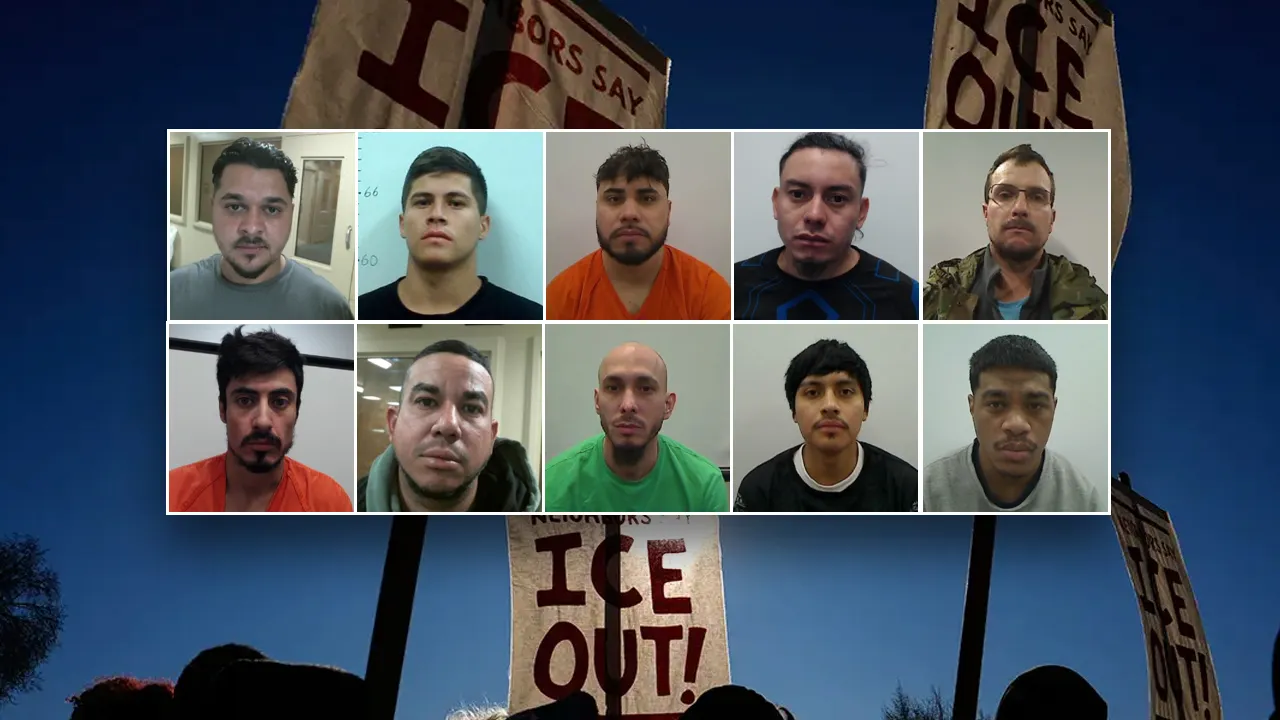
Among those arrested was Vietnamese national Hien Quoc Thai, previously convicted of murder, and Brian Anjain from the Marshall Islands, whose extensive criminal record includes 24 convictions ranging from domestic abuse and assault to public nudity and trespassing. The operation also resulted in the apprehension of Eddy Xol-Lares, a Venezuelan national convicted of conspiracy to distribute large quantities of cocaine. Other individuals arrested came from countries including Guatemala, Cuba, Mexico, Honduras, South Africa, and Romania, with criminal histories involving domestic violence, assault, fraud, identity theft, and multiple DUI offenses. Some had prior charges related to kidnapping, armed robbery, illegal weapons possession, and narcotics trafficking – painting a picture of what DHS considers serious threats to public safety that local policies have allegedly allowed to remain in communities.
DHS Assistant Secretary Tricia McLaughlin didn’t mince words when describing the situation, stating, “As our law enforcement are facing rampant violence against them, they arrested murderers, drug traffickers and an illegal with 24 criminal convictions in Minneapolis. These are the criminals Governor Walz and Mayor Frey are protecting. No American wants these criminals for neighbors.” This strong language underscores the political dimensions of immigration enforcement, where federal authorities often frame sanctuary policies as endangering public safety, while local officials typically counter that such policies actually improve community safety by encouraging immigrant cooperation with local police without fear of deportation.
The core issue at stake is the practice of honoring “ICE detainers” – requests from Immigration and Customs Enforcement asking local law enforcement to hold individuals for up to 48 hours beyond when they would otherwise be released, giving federal agents time to take custody. According to DHS, since President Trump took office, nearly 470 undocumented immigrants with criminal records have been released back into Minnesota communities due to policies that limit cooperation with these detainer requests. The department claims it is urging Governor Walz and Mayor Frey to honor ICE detainers for more than 1,360 individuals currently in custody, including many described as violent criminals, arguing that such cooperation would significantly improve public safety throughout the state.
This enforcement action comes amid heightened tensions between federal and local authorities over immigration policy. DHS specifically mentioned an incident involving an ICE agent who shot a Venezuelan national in Minneapolis after allegedly being attacked with a shovel during what the agency described as an ambush. The department has also criticized Mayor Frey for defending the city’s sanctuary stance after an undocumented immigrant allegedly killed a woman while driving under the influence. These incidents have become flashpoints in the larger debate about immigration enforcement priorities and the proper relationship between federal agencies and local governments.
For those seeking additional information about serious offenders arrested in immigration enforcement actions, DHS pointed to its public database at wow.dhs.gov, which tracks enforcement actions involving individuals with serious criminal records. This tool represents part of the agency’s effort to provide transparency around its operations while also making the case for stricter enforcement measures and greater cooperation from state and local authorities. The ongoing tension between different levels of government regarding immigration enforcement reflects broader national divisions about immigration policy, public safety priorities, and the balance between federal authority and local autonomy in a complex federal system.