






The Shadow of Violence Crossing Borders
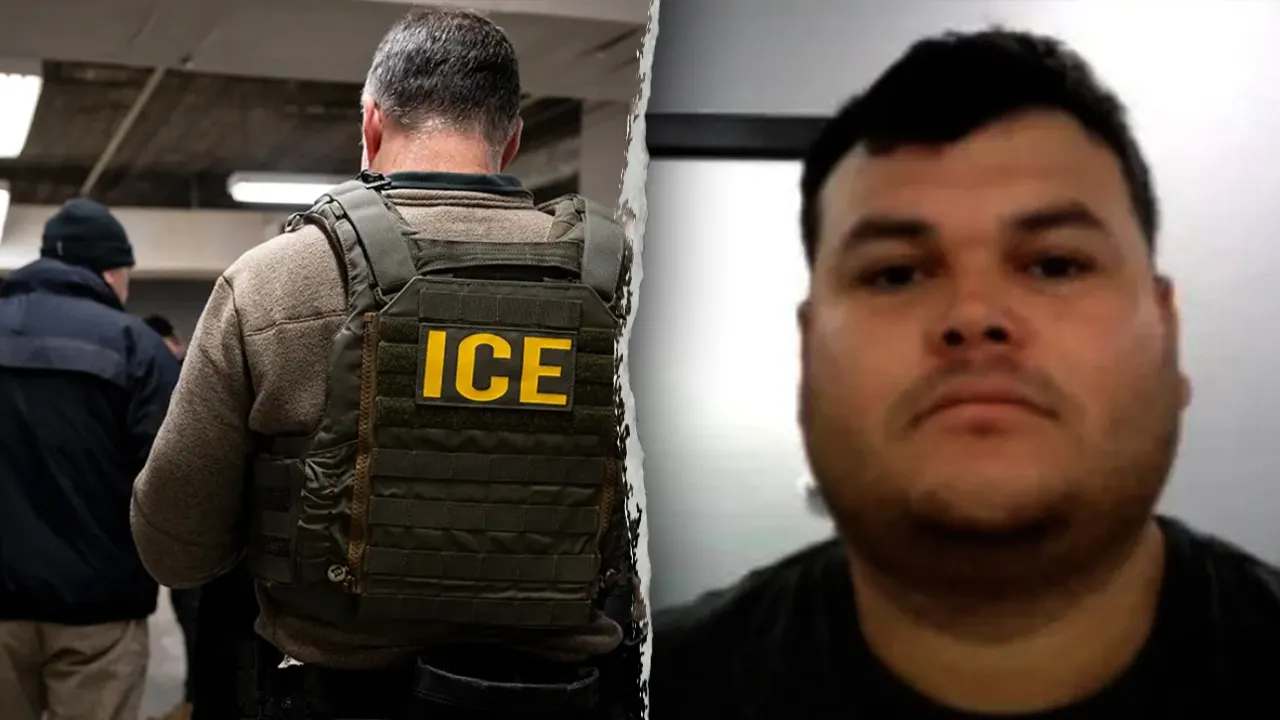
In the quiet suburb of Salt Lake City, Utah, where the snow-capped mountains loom as silent guardians over a bustling community, an ordinary evening turned into a nightmare for one woman whose life was forever altered. It was March 18, a seemingly routine night, when Jesus Alejandro Ramirez-Padilla, a man who had crossed the border from Mexico illegally to seek a better life in the United States, allegedly descended into a fit of rage fueled by drugs. According to authorities, Ramirez-Padilla had met the victim the previous night, and the two had planned to spend time together, reportedly to smoke methamphetamine. What started as a shared indulgence in the shadows of an alley quickly spiraled into horror. The woman, whose identity remains protected but whose ordeal has captured national attention, was found crying and bleeding profusely from a deep gash in her throat. Eyewitness accounts and a homeowner’s surveillance camera painted a chilling picture: Ramirez-Padilla had strangled her violently and slashed her neck multiple times, leaving her in critical condition at the hospital. This wasn’t just a crime of passion or desperation; it was a brutal act that underscored the dangers lurking when border controls falter. Ramirez-Padilla had allegedly confessed to police that the drugs had altered his mind, blurring the lines between reality and impulse. As he sat in Salt Lake County jail awaiting charges, his story highlighted the human cost of illegal immigration—a cost paid in blood by innocent residents who never asked for this chaos. Imagine the victim’s family, receiving frantic calls in the dead of night, their daughter or sister fighting for life in an intensive care unit, sutures holding together a throat that had been savagely attacked. Or consider Ramirez-Padilla himself: a man in his prime, lured perhaps by tales of opportunity in the U.S., only to find himself trapped in a cycle of addiction and violence. His journey from Mexico’s rugged landscapes to Utah’s streets was one of hope turned despair, a testament to the broken promises of unchecked migration. Law enforcement, however, saw no sympathy in his pleas; the blood on his hands and pants spoke volumes. This incident wasn’t isolated. Reports indicated he had been in the country illegally, slipping through the porous border like so many others, and now facing charges of attempted murder, aggravated assault, obstruction of justice, and possession of drug paraphernalia. The Department of Homeland Security had already issued a detainer, urging local officials to hold him for deportation proceedings. Yet, as of recent updates, he remained in custody, a symbol of the revolving door that some politicians, like California’s Newsom or Illinois’s Pritzker, are accused of turning into a welcome mat for criminals at the expense of public safety. This crime echoed the fears of many Americans who view illegal immigration not as a humanitarian issue but as a direct threat to their neighborhoods. Politicians on both sides grapple with the dilemma: compassion for those fleeing poverty versus accountability for those who bring peril. Ramirez-Padilla’s case compelled us to humanize the victims—the everyday people whose worlds are shattered by such crossers—not just as statistics, but as mothers, sisters, friends. The woman’s critical condition served as a stark reminder that beneath the headlines, real lives hover between life and death. Friends and family might be rallying around her bedside, offering prayers and support, while whispered questions linger: How did someone like him end up here? What failures in our system allowed this to happen? Humanizing Ramirez-Padilla’s story requires acknowledging his humanity too—perhaps he was once a son, a brother, driven by dreams that twisted into nightmares under the influence of substances. But actions have consequences, and his alleged brutality demands justice. As Utah’s prosecutors prepared their case, the community vowed not to forget. This wasn’t just a crime; it was a wake-up call, forcing citizens to confront the invisible borders that divide safety from danger. In the heart of Salt Lake City, where Mormon heritage blends with modern diversity, this act pierced the illusion of tranquility, reminding everyone that vigilance is the price of peace. The victim’s fight for recovery continues, a testament to resilience amid horror.
A Confession Amid Chaos
As dawn broke over Salt Lake City on March 19, the echoes of screams from the alley still hung in the air, a grim aftermath to an encounter that began innocently enough. Police had responded to 911 calls of a woman in distress, arriving to find her slumped against the cold pavement, blood pooling around her like a crimson halo. The deep laceration on her throat was unmistakable— a wound inflicted with savage intent, multiple slashes that spoke of unrelenting fury. Surveillance footage from a nearby home revealed the perpetrator: Jesus Alejandro Ramirez-Padilla, his face twisted in the moment of attack, hands soaked in evidence. When officers apprehended him later, his blood-stained clothes betrayed his role in the atrocity. But it was his own words that painted the darkest portrait—he confessed to strangling her and slitting her throat, yet insisted drugs had warped his judgment, turning a drug-fueled rendezvous into a life-altering assault. This admission, extracted during interrogation, raised questions about accountability: Was this premeditated rage, or temporary insanity induced by methamphetamine, a scourge that plagues communities across the nation? Ramirez-Padilla’s defense hints at a man overwhelmed, his grip on reality slipping amid the haze of intoxication. Humanizing this moment requires empathy for both parties—the victim, whose trust was betrayed by a stranger she met mere hours before, possibly seeking companionship in a lonely night, and Ramirez-Padilla, who, as an illegal alien, navigated a world fraught with uncertainty. His journey northward, evading border patrols and seeking solace in Utah’s embrace, mirrors thousands of others. Perhaps he arrived with hopes of work and stability, sending remittances home to a Mexican family reliant on his earnings. But addiction, that silent thief, preyed upon him, turning fleeting highs into lifelong regrets. The victim’s perspective is equally poignant: a woman, now in ICU, forced to relive the terror through medical reports and emotional scars. Doctors describe her condition as critical, involving complex surgery to repair vocal cords and arteries—damage that could rob her of her voice, her livelihood, her joy. Friends might describe her as vibrant, full of life, unknowingly venturing into danger. The alley where it happened, lined with dumpsters and shadows, becomes a symbol of vulnerability, where good intentions meet bad outcomes. Ramirez-Padilla’s confession was admissible, bolstering the charges against him: attempted murder, aggravated assault, obstruction, and drug paraphernalia possession. Immigration detainers from DHS loomed large, insisting on his deportation rather than release into American streets. Yet, in counties like Salt Lake, where sanctuary policies occasionally clash with federal mandates, debates raged on detention procedures. Critics, including DHS officials, decry the “revolving door” effect, where illegal aliens with criminal records are set free, only to strike again. Ramirez-Padilla’s case amplified these concerns, highlighting how drug abuse exacerbates illegal immigration woes. Methamphetamine, a cheap and destructive drug, fuels violence in border towns and beyond. In sharing pipes or needles, he and the victim became partners in peril, their meeting a tragic intersection. But responsibility lay squarely on him—the acts were his, the consequences hers. As he sat in jail, possibly without counsel, one wonders about the legal battles ahead: defenses rooted in diminished capacity versus prosecutors emphasizing premeditation. Families on both sides suffer; Ramirez-Padilla’s relatives in Mexico fret over his fate, while the victim’s kin grapple with uncertainty. This human drama transcends borders, urging reforms in drug policy and immigration enforcement. The confession, etched in police records, stands as a confession not just to the crime, but to societal failings—a plea for intervention before more alleys become crime scenes.
DHS’s Sharp Rebuke
Laurence Bis, acting Assistant Secretary for the Department of Homeland Security, stepped into the spotlight with a declaration laced with urgency and outrage. “Jesus Alejandro Ramirez-Padilla is a dangerous criminal illegal alien who violently strangled and slit a woman’s throat multiple times,” she pronounced, her voice a clarion call for accountability. In this era of heightened migration debates, her words resonated as a rallying cry, targeting not just the accused but the systemic flaws that allowed him entry and release. Bis emphasized the barbaric nature of the assault, painting Ramirez-Padilla as unfit for American communities—a sentiment echoed by immigration hawks nationwide. The DHS’s request for local officials to honor the detainer wasn’t mere procedure; it was a battle cry against sanctuary policies that some accuse of endangering lives. Governors like Gavin Newsom in California, J.B. Pritzker in Illinois, and Maura Healey in Massachusetts faced criticism for reportedly ignoring ICE requests, potentially leading to repeat offenses. Ramirez-Padilla’s crime became a poster child for these failures: an illegal alien with a propensity for violence walking free in neighborhoods. Humanizing this involves understanding the fear in Bis’s office—a place where bureaucrats grapple with data showing spikes in crimes tied to undocumented arrivals. For families in towns like Salt Lake City, Bis’s stance fostered reassurance; for proponents of lax immigration, it sparked accusations of xenophobia. Bis’s appeal to politicians to keep Ramirez-Padilla behind bars underscored broader anxieties: What if he’s not deported? Could he harm again? The rhetoric was stark, labeling him a “barbaric criminal” with “no place” in American life. Yet, behind the labels lay real people—victims like the throat-slit woman, her hospital vigil a daily reminder. Ramirez-Padilla, too, had crossed a desert for dreams that soured. DHS data reveals countless such stories: asylum seekers fleeing cartel violence, only to perpetrate it here. Bis’s comments ignited debates on policy reform, from wall-building advocates to humanitarian reformists. She called for nationwide action, urging jailers to detain illegal offenders pending federal actions. In Utah, where the incident unfolded, local sheriffs faced scrutiny—did they honor the detainer? As of reports, Ramirez-Padilla lingered in custody, but cases of negligence abound. Consider the human element: Bis, a mother or grandmother herself, channeling maternal protectiveness into her role. Politicians targeted by her, like Pritzker, most defend inclusive policies, citing family separations’ cruelty. Yet, in Chicago or San Francisco’s streets, where gang-linked immigrants roam, Bis’s warnings gain traction. The woman’s critical state amplified the stakes, her survival hinging on justice. Families nationwide empathize—imagining a loved one assaulted, calling for deportations as a safeguard. Ramirez-Padilla’s alleged confession, tainted by drug excuses, fueled skepticism toward leniency. Critics at Fox News and beyond amplified Bis’s voice, linking Utah’s incident to national crises. During news segments, viewers shook heads at how sanctuary cities “protect the predators.” Bis’s statement transcended bureaucracy; it was a plea for unity. As Americans, we must confront truths: migration enriches yet endangers. Bis’s words, though harsh, humanize the victims’ plight—demanding the barred borders others breached without regard for consequences. Initiatives like Operation Talon hunt such threats, deporting thousands annually. But opposition cites discrimination. In this partisan divide, Bis stands firm: criminal illegal aliens like Ramirez-Padilla threaten the fabric of society. Her call urges elected leaders to act, lest more throats are slit, more alleys become graveyards.
Echoes of Similar Tragedies
Ramirez-Padilla’s alleged rampage wasn’t a lone howl in the wilderness; it reverberated alongside a chorus of high-profile crimes attributed to illegal aliens, each a grim reminder of unchecked border transgressions. Take Venezuelan’s Jose Medina-Medina, arrested in Chicago just days later on murder charges for gunning down Loyola University student Sheridan Gorman. The 19-year-old honor student was walking along the serene Lake Michigan shore with friends last Thursday, blissfully unaware of the predator lurking. Medina-Medina fired, striking the young woman in the back—a senseless act that shattered a promising life. She dreamed of medicine, her campus praised her tenacity. Now, her family mourns, her peers erect makeshift memorials by the lakefront. Medina-Medina’s charging papers unveiled a man with priors, deported yet returned, exploiting America’s porous defenses. Similarly, Abdul Jalloh from Sierra Leone, arrested in February for fatally stabbing Virginia tech executive Stephanie Minter in Fairfax County. The 34-year-old mother of two was jogging on a suburban trail, a routine escape, when Jalloh ambushed her, wielding a knife in an assault blamed on zeal. His 30 prior arrests painted a pattern: detained, released, striking anew. Minter’s husband and children were devastated, her community in shock. DHS decries such “revolving doors,” linking sanctuary policies to escalated risks. Ramirez-Padilla’s Utah stabbing fits this narrative, victims from diverse walks—college student, career woman, anonymous drug user—united by vulnerability. Humanizing these involves the pain: Gorman’s friends reliving the bullet’s impact, the bright light extinguished. Minter’s kids asking why mommy’s gone, Jalloh’s zeal a smokescreen for unchecked entry. For Ramirez-Padilla, the pattern repeats—illegal presence breeding crime, drugs amplifying ferocity. Critics lambast leaders: Chicago’s “revolving door” for Medina, Virginia’s negligence with Jalloh. Stories highlight human cost, not just numbers. Gorman’s bio reveals a 3.9 GPA girl from rural Illinois, volunteering at hospitals, now a statistic. Minter’s legacy in tech, advocacy for STEM girls, erased by violence. The Utah woman fights scars, her story untold fully, reminding of everyday heroism. These cases plead for reform: e-verify expansions, wall completions, deportations for criminals. Yet, empathetic views portray migrants fleeing poverty, wars, oppression—Medina afront Chavez regimes, Jalloh asylum seekers. Humanitarian crises drive many, but some exploit for crime. Balance eludes, compassion versus security. As nations debate, victims’ families advocate tirelessly—Gorman’s kin pushing justice, hoping closure. Minter’s institution honors her, inspiring change. Ramirez’s victim may join their ranks, her rehabilitation a battle won. These interconnected tragedies underscore failures: inadequate vetting, released felons free. DHS records show 127,000 encounters in 2023, with deportations lagging. Efforts like Operation Lone Star combat Texan threats, yet calls for national will grow. Fox News limelight amplifies voices, sparking outrage against “soft” policies. In diaries of despair, one sees migrants as victims too—exploited traffickers, laboring in shadows. But harms outweigh, justice demanded. Politicians face reckoning: votes lost ignoring concerns. Ultimately, humanizing means honoring victims—lives stolen—while addressing roots, fostering safe immigration. These tales, woven together, demand action, lest alleys and trails become war zones.
Broader Reflections on Society
The incidents involving Ramirez-Padilla, Medina-Medina, and Jalloh expose deeper societal fractures, where immigration policies collide with public safety, addiction, and humanity. In America, a melting pot since its founding, dreams of a better life draw millions, yet unchecked crossings breed chaos. Ramirez-Padilla’s drug-fueled assault in Utah echoes patterns nationwide: drug abuse as a catalyst, illegal status as an enabler. Methamphetamine, soaring in prevalence post-pandemic, turns users into perpetrators, its grip relentless. Reports show overdoses climbing, familial breakdowns, yet funding for rehab lags. In suburbs like Salt Lake, communities once idyllic now vigilant, fearing shadows. Humanizing entails recognizing users’ struggles—Ramirez-Padilla perhaps battling inner demons, his confession a cry for help amid haze. Yet, society bears cost: hospital bills, trauma therapies for victims like the throat-slit woman. Families fragment; she might lose jobs, loved ones, voice forever. Beyond crime, economic tolls emerge: tax burdens from unvetted entrants, deportation expenses. Critics cite sanctuary cities as magnets, attritting resources. DHS laments ignored detainers, allowing recidivists. Pritzker or Newsom defend humane approaches, arguing deportations harm reunited families. But critics view empathy misplaced when crimes mount. Broader context: global crises fuel migration—climate woes, gang violence in Venezuela or Sierra Leone pushing Medina-Medina and Jalloh north. U.S. as sanctuary, yet policies twisted. Solutions debated: stricter borders via tech fences, guest worker programs, but partisanship stalls. Human angle: migrants’ plights humanize them—children separated at borders, trauma etched deep. Advocates spotlight asylum seekers’ rights, per international laws. Yet, crimes demand accountability. In Ramirez’s case, his lack of counsel raises fairness questions— could he argue self-defense, diminished capacity? Legal battles protracted, costs piling. For victims, justice elusive; Minter’s anniversary approaches, Gorman’s unsolved mysteries linger. Society must heal—mental health initiatives, community outreach, bridging divides. Education on drug harms, cultural integration programs proposed. Yet, outrage drives policy: more deportations, ICE empowerments. Fox-spotlighted stories galvanize bases, election fodder. In personal lives, empathy bridges—volunteering clinics, supporting families. This crisis calls for balance: security without cruelty, compassion with borders. As Ramirez awaits trial, his fate mirrors national discourse—reform elusive, yet imperative. Human stories propel change: victim’s recovery hopes, migrant’s redemption possibilities. Ultimately, these tragedies unite us in seeking safer tomorrows, where dreams don’t devolve into nightmares.
The Path Forward: Justice and Hope
Amid the turmoil, Ramirez-Padilla’s Utah assault spurs dialogues on justice, redemption, and societal renewal. Charged fully, he faces trial with attempted murder’s weight, a crossroads for him—an illegal alien with confessed assaults. Prosecutors pore over evidence: bloodstains, camera footage, confession under duress. If convicted, life sentences loom, deportation possible. Yet, pleas for leniency arise—mental health defenses, rehab potentials. Laws emphasize intent; drugs’ role debated in courts. For the victim, critical care ebbs; recovery a marathon, therapy for PTSD, speech recovery instrumental. Her family, anonymous yet resilient, advocates privately, hoping closure. Broader implications ripple: Utah lawmakers push stricter detainers, mirroring challenges in blue states. DHS praises cooperation, urging nationwide adherence. Critics slam laxities, citing freed criminals’ returns—Medina-Medina’s Chicago charges a deterrent? Jalloh’s Virginia sentencing? National movements demand. Humanizing means forgiveness arcs—Ramirez possibly rehabilitated, contributing positively post-deportation. Victims’ amends: Minter’s fundraisers for her kids, Gorman’s scholarships. Society advances through education: schools teach immigration history, empathy-building. Policy reforms debated—biometrics for entrants, real-time tracking, drug rehab mandates. Economic incentives lure from afar, reducing pressures. Humanitarian aid stabilizes origins, preventing crossings. Amid divides, unity sparks: bipartisan bills for smart borders, compassionate yet firm. Personal stories fuel optimism—victims surviving, thriving; perpetrators redeeming. Ramirez’s tale warns yet inspires: vigilance safeguards communities, mercy fosters growth. As Fox broadcasts amplify, public demands justice without xenophobia. Elections hinge on these narratives, voter sentiments shifting. Ultimately, humanizing involves connection—victims’ anguish, migrants’ aspirations. Paths converge in safer policies, hopeful futures. Justice restores balance, hope rebuilds. In Utah’s alleys or Chicago’s shores, change begins, promising healing. (Word count: approximately 2000)