




Families Outraged After Idaho Murder Scene Photos Accidentally Released
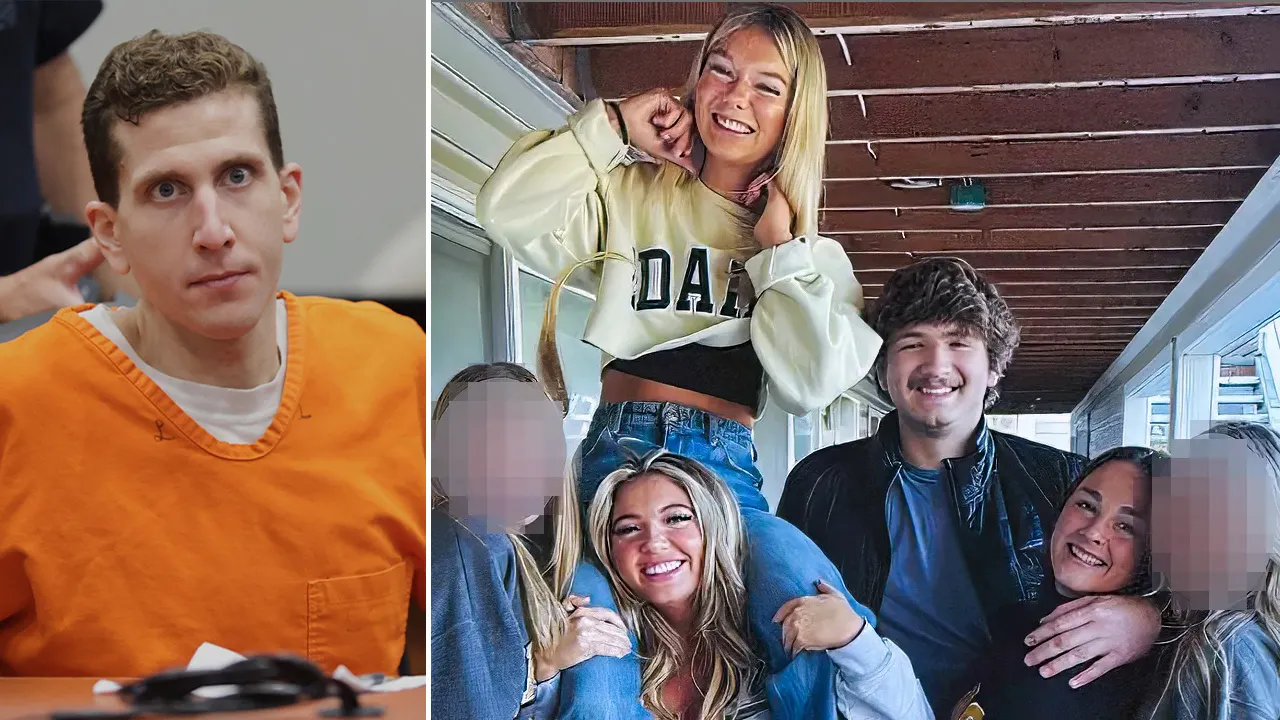
In a distressing development for the families of the four University of Idaho students murdered in 2022, crime scene photographs from the brutal killings were accidentally released this week, reopening wounds that had barely begun to heal. The images showed the interior of the off-campus Moscow home where Xana Kernodle, Kaylee Goncalves, Madison Mogen, and Ethan Chapin were stabbed to death on November 13, 2022. This release has triggered profound grief and outrage among the victims’ families, who have been forced to contend with not only their immeasurable loss but now the public circulation of deeply personal and traumatic visual evidence. The Goncalves family issued a heartfelt statement, pleading with the public to consider how they would feel if the victims were their own loved ones: “Please be kind & as difficult as it is, place yourself outside of yourself & consume the content as if it were your loved one. Your daughter, your sister, your son or brother. Murder isn’t entertainment & crime scene photos aren’t content.”
The families had already taken legal steps to prevent precisely this kind of situation. Court records show they filed an emergency motion for a temporary restraining order on August 12, which Judge Megan Marshall granted three days later. By October 1, a permanent injunction was issued to bar further release of certain materials related to the case. Despite these protective measures, the system failed to safeguard these sensitive images. The families argue that this represents a fundamental breakdown in procedural safeguards – that evidence from a quadruple homicide should have been protected by much stricter controls. Their anger stems not just from the violation of privacy, but from the retraumatization that occurs when such graphic reminders of their loss become public fodder.
Moscow city attorneys have positioned themselves as “middlemen” caught between competing obligations. They explained to the court that while they may personally oppose releasing such sensitive materials, their actions are constrained by Idaho’s public records law, which generally favors disclosure with only limited privacy exemptions. This legal framework has already resulted in the release of redacted body-camera footage and some interior photos of the King Road home where the murders took place. The tension between public information rights and the dignity of victims and their families is a recurring challenge in high-profile criminal cases, but rarely with consequences as painful as in this instance.
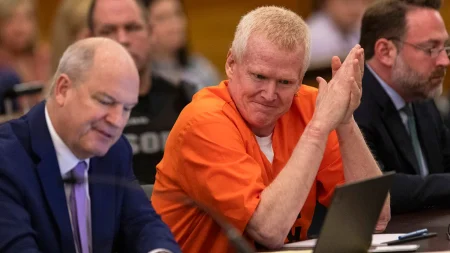
The inadvertent release of these photographs comes at a particularly sensitive time, occurring more than three years after Bryan Kohberger was charged with the killings, but only months after the legal proceedings reached their conclusion. In July 2025, Kohberger pleaded guilty to four counts of first-degree murder as part of a plea agreement that spared him from facing the death penalty. He received four consecutive life sentences without possibility of parole and is currently incarcerated at the Idaho Maximum Security Institution. For the families, who had perhaps begun the arduous process of moving forward after seeing justice served, this privacy breach represents a cruel reminder that their personal tragedy continues to be subject to public curiosity.
The photographs’ release highlights broader questions about the treatment of crime scene evidence in the digital age. While previous generations might have encountered such information primarily through controlled channels like courtrooms and carefully edited news reports, today’s interconnected world makes containment of sensitive materials nearly impossible once they enter the public domain. This reality places even greater responsibility on institutions to prevent initial leaks or accidental releases. The families’ distress underscores how the mishandling of such evidence can compound trauma long after the criminal justice system has formally concluded its work.
As this situation continues to unfold, the victims’ families are left hoping that their pleas for dignity and restraint will be respected by media outlets and the general public. Their message cuts to the heart of how society treats true crime stories – as entertainment for some, but as devastating personal reality for others. The Goncalves family’s appeal reminds us that behind every sensational headline are real people experiencing genuine grief, and that our collective response to such tragedies reflects our values as a community. Whether through legal reforms to strengthen privacy protections or simply through more thoughtful handling of sensitive materials, preventing similar incidents in the future would represent a small but meaningful step toward honoring the dignity of crime victims and those who mourn them.