

Rocky Balboa Returns to the Philadelphia Art Museum Steps
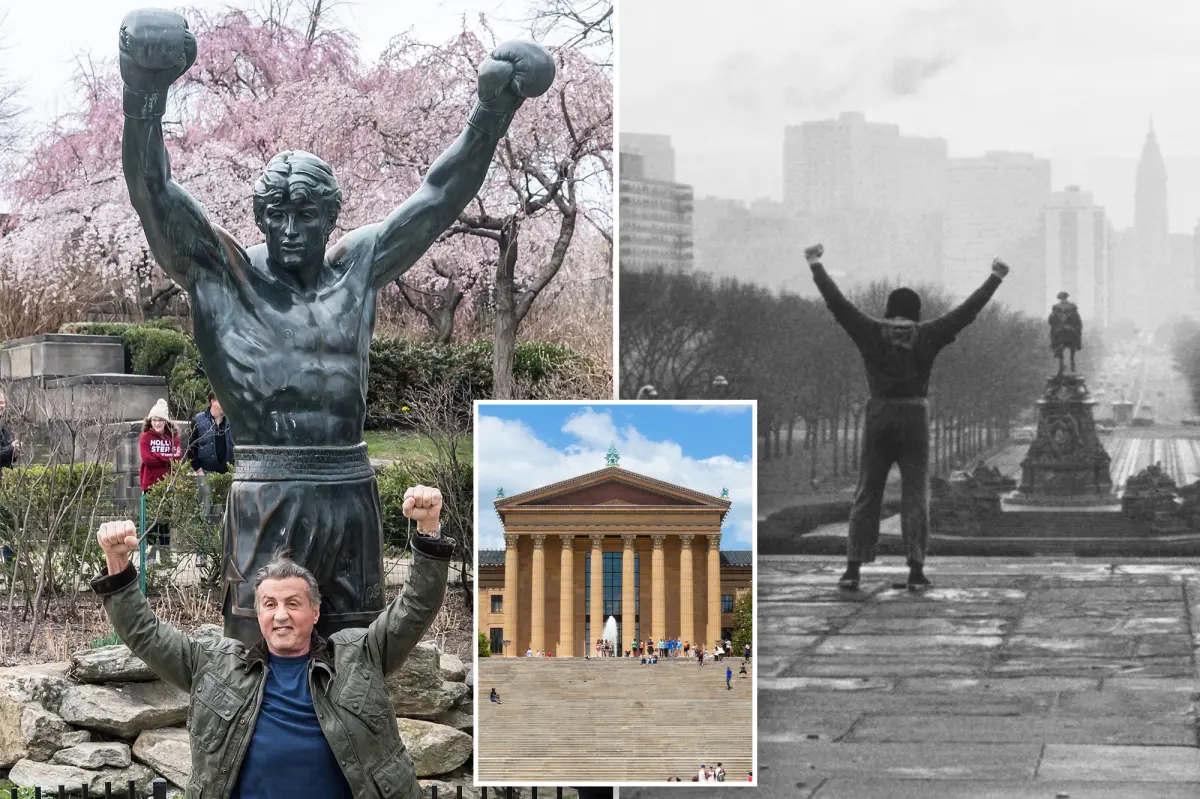
Philadelphia’s iconic Rocky Balboa statue is making a triumphant return to its most famous home atop the steps of the Philadelphia Art Museum, following a decision by the city’s art board that delighted fans and honored the statue’s cultural significance. The 8-foot-6-inch bronze sculpture of Sylvester Stallone’s beloved underdog boxer has traveled a journey nearly as dramatic as the character it portrays, having been relocated multiple times since its creation in 1980. Creative Philadelphia’s recent 3-1 vote (with two abstentions) approved a preliminary plan to move the statue back to the museum steps, where it originally stood during the filming of “Rocky III” in 1982 and has occasionally returned for other film productions over the years. This decision represents a significant reversal from earlier discussions about potentially returning the statue to Stallone himself, an idea that was abandoned after passionate public feedback demonstrated just how deeply Rocky Balboa is woven into Philadelphia’s cultural fabric.
The statue’s return to the museum steps resonates deeply with both locals and visitors who have long associated the location with Rocky’s famous training montage, where the character triumphantly ascends the steps in a moment of personal victory. When news broke that Creative Philadelphia was reconsidering the statue’s placement, Stallone himself embraced the public’s desire to keep Rocky in Philadelphia. Valerie V. Gay, the city’s chief cultural officer, acknowledged this sentiment, stating, “In response to the strong and heartfelt feedback from the public, Mr. Stallone has graciously decided that we will no longer move forward with the statue swap.” She emphasized that the decision “reflects our shared commitment to listen deeply to the community and doing what is best for both the art and the people who cherish it.” The statue is expected to be featured in an upcoming exhibit titled “Rising Up: Rocky and the Making of Monuments,” scheduled to run from April to August, further cementing its role as not just a movie prop but a meaningful piece of public art.
The Rocky statue’s journey mirrors the character’s own storyline of perseverance through challenges. Created by artist A. Thomas Schomberg in 1980, the bronze boxer was initially commissioned as a prop for “Rocky III,” but quickly transcended its cinematic origins to become a cultural touchstone. After filming concluded, the statue found itself at the center of an ongoing debate about the intersection of popular culture, public art, and high culture. Art purists questioned whether a movie prop belonged outside a prestigious museum housing masterpieces from renowned artists, while others argued that Rocky represented something quintessentially Philadelphian—grit, determination, and the triumph of the underdog. This tension led to the statue being relocated multiple times, though metal footprints were left to mark where it once stood, a testament to its enduring impact. The statue has occasionally returned to the museum steps for special occasions, including appearances in films like “Mannequin” (1987), “Rocky V” (1990), and the Tom Hanks drama “Philadelphia” (1993).
The original “Rocky” film, released in 1976, was an unexpected cultural phenomenon that transformed Sylvester Stallone from a struggling actor into a Hollywood superstar. The low-budget film shocked the industry by winning the Academy Award for Best Picture and launching a franchise that would eventually span six movies, each exploring the continued trials and triumphs of the Philadelphia boxer. Rocky Balboa quickly emerged as more than just a fictional character; he became an American folk hero embodying the belief that with enough heart and determination, anyone could overcome tremendous odds. The statue captures Rocky at his most iconic—arms raised in victory, embodying the spirit of a champion despite his humble beginnings. This representation resonates particularly strongly in Philadelphia, a city with its own proud working-class identity and boxing heritage, including real-life legends like Joe Frazier, whom some have argued should also be commemorated with a statue in the city.
Interestingly, the original statue that has caused such passionate debate in Philadelphia is not unique—two other cast copies were created over the years. However, it’s the original that has become inextricably linked with the city’s identity and tourist appeal. Each year, countless visitors recreate Rocky’s famous run up the museum steps, often concluding their pilgrimage with a triumphant pose beside the statue, arms raised in victory. This ritual demonstrates how thoroughly the character and his bronze likeness have transcended their fictional origins to become part of Philadelphia’s living heritage. The statue serves as a reminder that art’s value isn’t determined solely by traditional aesthetic criteria or the prestige of its creator, but also by its capacity to inspire and connect with ordinary people. For many Philadelphians, the Rocky statue represents their city’s spirit far more authentically than more conventionally respected works of art housed within the museum itself.
The decision to return the Rocky statue to the Philadelphia Art Museum steps ultimately reflects a broader understanding of how cultural symbols evolve and gain meaning through public engagement. While debates about the statue’s artistic merit will likely continue, Creative Philadelphia’s vote acknowledges that Rocky Balboa has become more than just a movie character or a tourist attraction—he’s a vital part of how Philadelphia understands and presents itself to the world. As the statue prepares for its homecoming as part of the “Rising Up” exhibit, it stands as a testament to the power of storytelling and the unexpected ways that fictional characters can inspire real communities. Like the character he portrays, Rocky Balboa’s bronze likeness has weathered numerous challenges and relocations, only to emerge victorious and beloved. For visitors who travel to Philadelphia specifically to run up those famous steps and pose with the statue, and for locals who see in Rocky a reflection of their city’s fighting spirit, the bronze boxer’s return to the top represents a fitting conclusion to this chapter of the statue’s story—proving once again that in Philadelphia, as in Rocky’s world, underdogs sometimes get their moment of glory.