





Federal Immigration Operation Disrupted by Violent Protests in Minneapolis
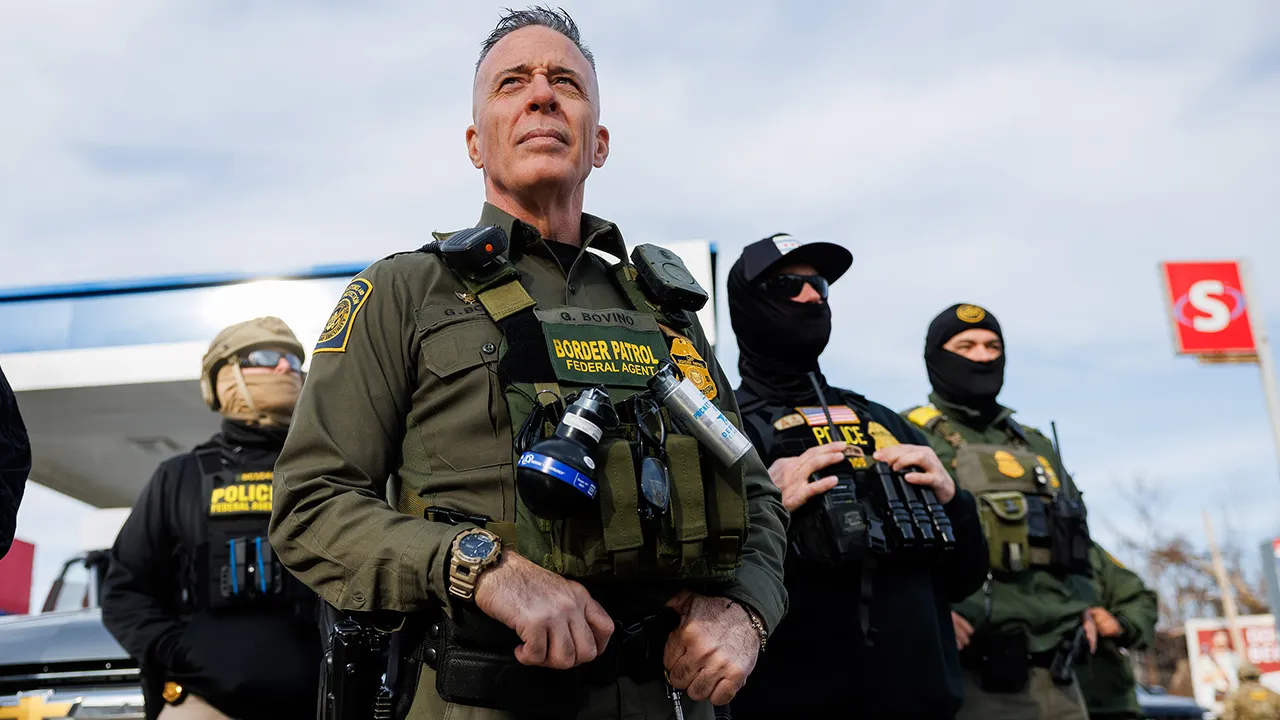
In a troubling turn of events in Minneapolis, a planned immigration arrest was derailed by violent protests, resulting in a suspect with a serious criminal history escaping custody while an Immigration and Customs Enforcement (ICE) agent suffered a permanent injury. According to U.S. Border Patrol Commander Greg Bovino, who spoke at a Sunday press conference, the operation had to be abandoned when crowds interfered and assaulted officers, creating a chaotic and dangerous situation. “This individual is still roaming the streets today,” Bovino stated with evident frustration, placing blame on what he described as poor decisions by local politicians and their supporters. The failed operation highlights growing tensions between federal immigration authorities and local communities in Minneapolis, where resistance to ICE operations has become increasingly confrontational.
The unrest erupted following a fatal shooting during the same enforcement operation, when a Border Patrol agent shot 37-year-old Alex Jeffrey Pretti, a VA hospital ICU nurse and member of the American Federation of Government Employees. According to federal authorities, Pretti approached agents while armed with a 9mm pistol during the early-morning operation that was targeting Jose Huerta-Chuma, an undocumented immigrant with a criminal record including domestic assault and other offenses. Officials claim Pretti “violently resisted” when agents attempted to disarm him, leading to the shooting. Despite immediate medical attention, Pretti was pronounced dead at the scene. State officials later confirmed that Pretti possessed a valid permit to carry a firearm, a detail that has further complicated public perception of the incident.
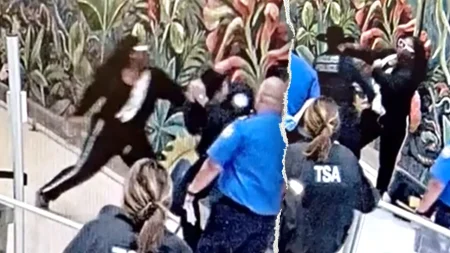
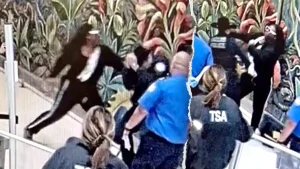
The aftermath of the shooting sparked intense confrontations between protesters and federal agents, during which an ICE agent suffered a shocking injury that officials described as permanent. Marcos Charles, ICE Executive Assistant Director of Enforcement and Removal Operations, told reporters that a crowd of protesters tackled an ICE special agent, and during the struggle, one protester “literally bit off part of that agent’s finger.” The injured officer received immediate medical care at the scene before being transported to a hospital. “The officer is recovering but is now permanently maimed and has lost part of his finger,” Charles explained, emphasizing the severity of the assault. This disturbing incident represents what federal officials describe as part of a concerning pattern of increasing violence against immigration enforcement officers in Minneapolis and across the country.
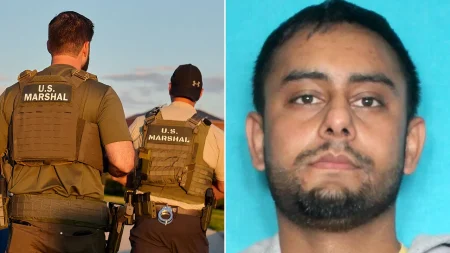
The failed operation was targeting Jose Huerta-Chuma, an individual described by federal officials as an illegal immigrant with multiple criminal convictions including domestic assault involving intentional bodily harm, disorderly conduct, and driving without a valid license. The escape of this suspect due to the protests has raised alarms among federal authorities about the consequences of interference with immigration enforcement. Charles defended ICE operations in Minneapolis, stating, “The reality is we’re out here to arrest dangerous criminal illegal aliens so they can’t victimize innocent people in our communities anymore.” This justification highlights the tension between federal immigration enforcement priorities and local concerns about heavy-handed tactics and community impact, a division that appears to be growing wider in the wake of these events.
The conflict in Minneapolis reflects a broader national debate about immigration enforcement tactics and community relations. ICE officials pointed to their track record in Minnesota, with Charles noting that since beginning operations in the state, the agency has arrested more than 3,400 undocumented individuals, describing them as “criminals, gang members and terrorists” removed from local communities. This characterization stands in stark contrast to how some local leaders and activists view the same operations, often depicting them as disruptive to communities and families. The incident has drawn national attention, with some conservative commentators suggesting that resistance to ICE in Minnesota is politically motivated, while progressive voices have questioned the tactics and necessity of such operations in residential areas.
The events in Minneapolis represent a troubling escalation in the ongoing tensions between federal immigration authorities and local communities across America. With one man dead, a federal agent permanently injured, and a wanted suspect still at large, the human costs of these confrontations are becoming increasingly apparent. As federal officials vow to continue their enforcement efforts and local resistance shows no signs of diminishing, communities like Minneapolis find themselves caught in the middle of a contentious national debate about immigration policy, law enforcement tactics, and community safety. The incident underscores how immigration enforcement—a policy matter often discussed in abstract terms—can result in real-world violence and trauma when conflicting values and authorities clash. As the city recovers from this latest confrontation, questions remain about how federal agencies and local communities might find a path forward that addresses legitimate concerns on all sides while avoiding further violence.