





ICE Arrests Two During Minneapolis Protests Amid Escalating Tensions
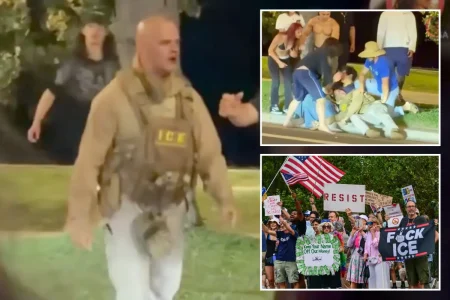
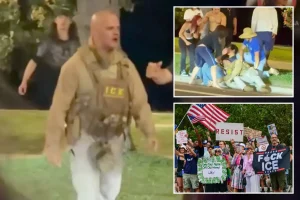
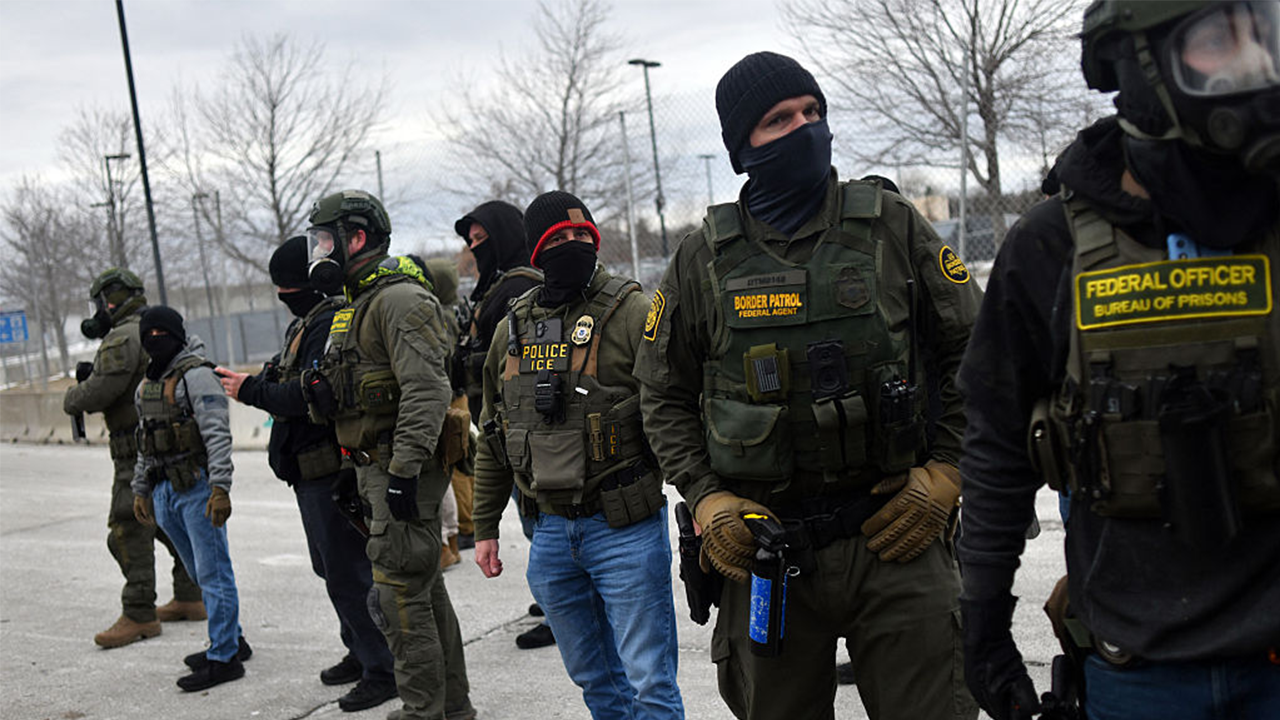
In the wake of recent controversial incidents involving Immigration and Customs Enforcement (ICE) in Minneapolis, tensions have escalated as protesters and federal agents clash near government facilities. On Sunday, ICE announced the arrest of two individuals during demonstrations outside the Whipple Building, which houses ICE and other federal agencies. According to the agency, these individuals were taken into custody after allegedly assaulting federal officers and repeatedly disregarding instructions to remain out of traffic areas. The protest, which attracted approximately 200 participants, represents the latest development in a growing conflict between federal immigration authorities and local communities in Minnesota. ICE issued a stern warning via social media: “REMINDER: If you assault federal law enforcement, you will face the consequences like these two agitators,” highlighting their zero-tolerance approach to confrontations with protesters.
The demonstrations were sparked by a deeply troubling incident that has divided political opinion along partisan lines. Earlier, ICE agent Jonathan Ross fatally shot Renee Nicole Good, a U.S. citizen, during an encounter that has raised serious questions about use of force protocols. According to reports, Ross fired into Good’s vehicle through the windshield and open window from beside the car, reportedly using profanity as the vehicle subsequently crashed. This incident has become a flashpoint in the immigration enforcement debate, with Democrats and community members characterizing it as unjustified violence that demands criminal prosecution, while Trump administration officials and Republican lawmakers have defended the agent’s actions as a justified response during a law enforcement operation. The controversy highlights the profound divide in perspectives regarding appropriate immigration enforcement tactics and accountability.
Adding fuel to an already volatile situation, a second shooting occurred just a week after Good’s death, when another ICE agent shot an alleged undocumented immigrant in the leg during an arrest attempt. The Department of Homeland Security defended this use of force, stating that the agent fired because he feared for his safety after being “violently assaulted” by the individual who reportedly resisted arrest. This pattern of enforcement incidents has created an atmosphere of intense mistrust between federal immigration authorities and the Minneapolis community, with local residents expressing growing concerns about aggressive tactics being employed in their neighborhoods. The proximity of these two shootings has intensified calls from community organizers for greater oversight of immigration enforcement operations within city limits.
Local government officials have taken increasingly confrontational stances toward federal immigration operations in their jurisdiction. Minnesota Governor Tim Walz and Minneapolis Mayor Jacob Frey have both publicly demanded that ICE cease operations within the city as the federal government continues its immigration enforcement initiatives under the Trump administration’s deportation policies. Mayor Frey delivered particularly pointed criticism following the second shooting, stating: “It’s certainly not creating safety when a huge percentage of the shootings that have taken place so far this year in Minneapolis have been by ICE.” He added emphatically, “So let’s be very clear. I’ve seen conduct from ICE that is disgusting and is intolerable.” These statements reflect growing tensions between local governance priorities focused on community trust and federal enforcement mandates.
The standoff in Minneapolis exemplifies the larger national struggle over immigration policy implementation in American communities. While federal officials maintain that their enforcement actions are necessary for national security and upholding immigration laws, local authorities increasingly view these operations as disruptive to community safety and counterproductive to building trust among immigrant populations. The protests at the Whipple Building represent just one manifestation of this ongoing conflict, as community members organize to express their opposition to what they perceive as excessive force and intrusive tactics. The agency noted that the recent arrests weren’t isolated incidents, reporting “several other arrests last week in connection with the demonstrations,” suggesting a pattern of escalating confrontations between protesters and federal authorities.
This situation in Minneapolis reflects the complex and emotionally charged nature of immigration enforcement in America today. Communities find themselves caught between federal policies emphasizing deportation and removal, and local governance approaches that often prioritize inclusion and protecting vulnerable populations. As demonstrations continue and tensions remain high, residents of Minneapolis face uncertainty about how this conflict will ultimately be resolved. The competing narratives about what constitutes appropriate law enforcement, who belongs in American communities, and how federal agencies should operate within local jurisdictions have created a deeply polarized environment with no clear path toward reconciliation. The arrests on Sunday serve as a reminder of how abstract policy debates ultimately manifest in real confrontations between government authorities and the communities they serve, raising fundamental questions about power, rights, and the meaning of public safety in a diverse society.