





ICE Arrests Highlight Rising Tensions Amid Minneapolis Immigration Protests
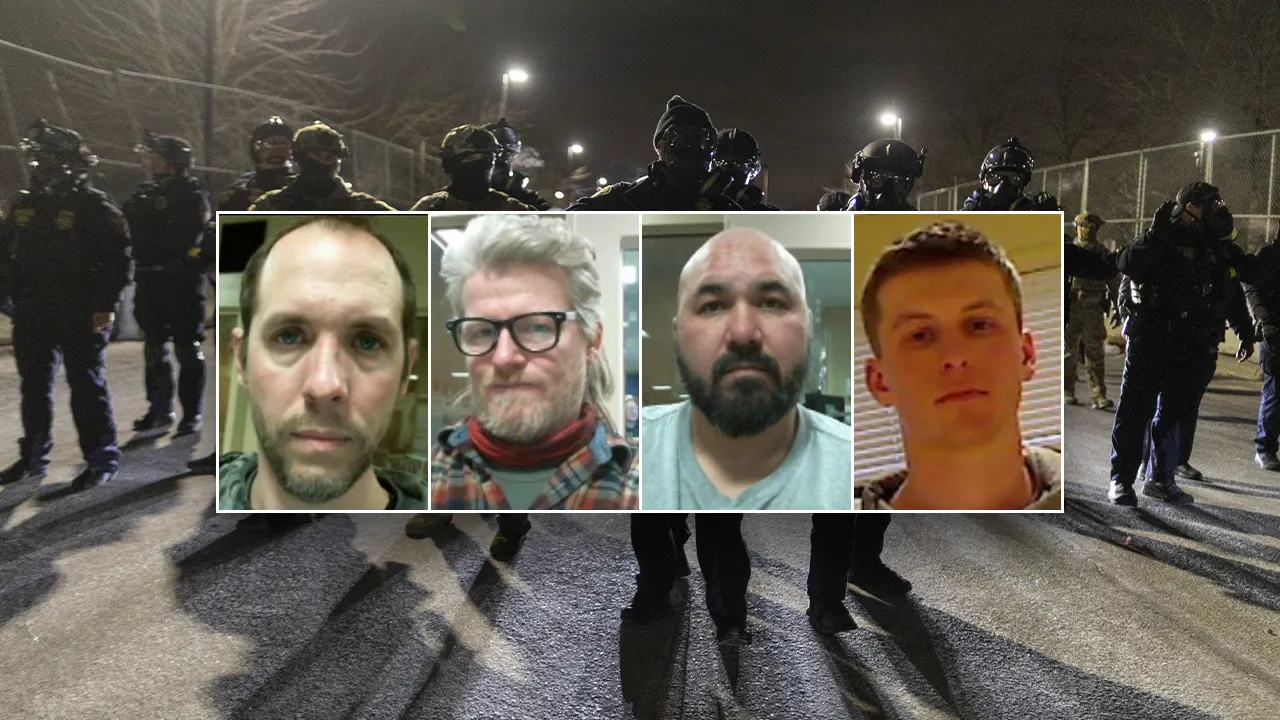
In the heart of Minneapolis, a city already familiar with social unrest, tensions have escalated dramatically outside the Bishop Henry Whipple Federal Building. Immigration and Customs Enforcement (ICE) recently released photos of four men arrested during protests, characterizing them as “violent anti-ICE agitators” who allegedly created dangerous conditions by pouring water on roads in freezing temperatures, throwing objects at officers, and refusing orders to disperse. These arrests came amid a larger enforcement action that reportedly resulted in 12 individuals being taken into custody for assaulting law enforcement officers. The Department of Homeland Security emphasized the serious nature of these allegations, reminding the public that assaulting federal officers or destroying government property constitutes a felony under federal law.
The demonstrations that have drawn federal attention didn’t emerge in a vacuum but follow two highly controversial ICE-related shootings that have inflamed community tensions. The first incident, which has become a rallying point for protesters, involved the January 7th shooting of Renee Nicole Good, a U.S. citizen killed by an ICE agent who fired into her vehicle’s windshield. Body camera footage captured the agent using profane language after Good’s car crashed following the shooting. This case has created a sharp political divide, with Democratic officials and community members characterizing it as an unjustified killing deserving prosecution, while the Trump administration and Republican lawmakers have defended the agent’s actions as appropriate under the circumstances.
Just as community outrage over Good’s death was intensifying, another violent encounter occurred on Wednesday when an ICE officer was reportedly seriously injured during what officials described as an ambush during a traffic stop. According to federal authorities, three undocumented Venezuelan immigrants initiated a foot chase and physical confrontation that ended in gunfire, with one suspect being shot before all three were apprehended. This second incident has further complicated the narrative around immigration enforcement in the city, providing ammunition to those who advocate for stronger enforcement measures while simultaneously heightening concerns among immigrant rights activists about escalating violence.
The physical focal point of these tensions, the Bishop Henry Whipple Federal Building, houses multiple federal agencies including ICE, DHS, and the Department of Veterans Affairs. This administrative hub has transformed into contested territory where opposing visions of American immigration policy clash daily. Local media reports indicate that despite the arrests and warnings from federal authorities, protesters have continued to gather outside the building, suggesting that the community’s determination to voice opposition to current immigration enforcement practices remains undiminished despite the risks of confrontation with law enforcement.
The situation in Minneapolis reflects broader national divisions over immigration policy that have intensified during this election cycle. White House officials have reportedly criticized Minnesota’s Democratic leadership, including Governor Tim Walz, for their handling of the protests, while simultaneously facing accusations from progressive groups that federal immigration enforcement tactics have become unnecessarily aggressive. This political dimension adds another layer of complexity to an already volatile situation, with each side viewing the same events through fundamentally different interpretive frameworks about public safety, civil rights, and the proper role of immigration enforcement.
As federal agencies maintain their presence and protesters continue to voice their opposition, Minneapolis finds itself at the center of a national conversation about immigration enforcement practices and community response. The contrast between federal characterizations of “violent agitators” and community descriptions of “peaceful protesters” highlights the profound gap in perception that complicates resolution efforts. With neither side showing signs of backing down, and with the emotionally charged nature of recent fatal incidents, the situation remains precarious. The outcome of this standoff may well influence not just local community-law enforcement relations in Minneapolis, but also shape the national conversation about immigration enforcement tactics, accountability, and the balance between security concerns and civil liberties as the country moves through another contentious election year.