







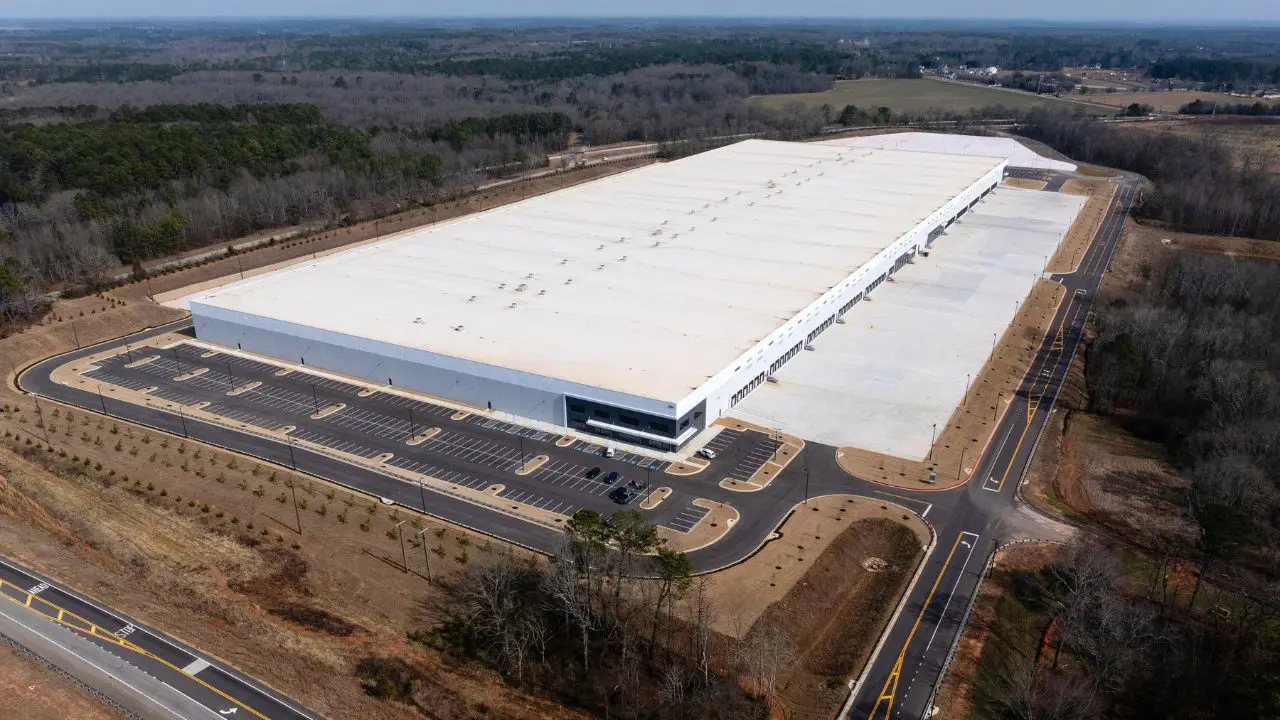
In the not-so-distant future of 2026, imagine a United States grappling with an unprecedented surge in migration, where borders feel like fragile seams threatening to burst under the weight of human stories—dreams, desperations, and detours. That’s the backdrop for Immigration and Customs Enforcement’s (ICE) audacious plan to ramp up its detention infrastructure to a staggering 92,600 beds. This isn’t just a checkbox on a bureaucratic list; it’s a sweeping overhaul aimed at enabling “mass deportations,” as detailed in an internal memo dated February 13, 2026. Picture operatives in Washington poring over blueprints, envisioning a network that could transform the way America handles those who enter without permission. The goal? To create a detention ecosystem that’s both scalable and standardized, ready for immediate surges or prolonged operations. At the heart of this vision are eight colossal mega-centers, each capable of housing up to 10,000 detainees, spread across the nation and slated for full operation by the end of November. These aren’t your typical jails; they’re engineered to be efficient fortresses, with designs that prioritize security, processing speed, and even some basic amenities to comply with legal standards. But beyond the mega-centers, the plan weaves in a fabric of support: 16 regional processing sites, each poised to handle 1,000 to 1,500 people for short stays of three to seven days, serving as intake hubs where migrants might wait for their fates to be decided. Additionally, ICE intends to snap up 10 existing facilities, consolidating contracts into a centralized model that promises smoother operations and cost efficiencies. This restructuring feels monumental, like shifting tectonic plates in the immigration system, reflecting a broader push for decisive action amid rising frustrations over border control. As someone living through these times, you can’t help but wonder about the human costs—the families separated, the hopes deferred, and the ethical debates raging in living rooms and legislatures. It’s a bold step, funded through what ICE calls the “One Big Beautiful Bill Act,” a congressional allocation that’s becoming a battleground for political wills, echoing debates over funding and fairness that have defined American discourse for decades. Personal anecdotes flood in: stories of immigrants who crossed deserts or oceans, only to face this bureaucratic behemoth, or officials juggling the moral weight of enforcement. By November 2026, when these mega-centers go live, America might look fundamentally different, with detention operations no longer scattered but orchestrated from a central command, ensuring that every arrest leads to a swift reckoning.
To grasp the full scope, dive deeper into how this blueprint intends to handle the flood. The memo lays out a detention network that’s not static but dynamically adjustable, blending immediate capacity for spikes with long-term sustainability. Think of it as a living organism, expanding and contracting based on needs—a far cry from the fragmented setups of the past. Each mega-center, sprawling and imposing, is designed with standardized features: secure perimeters, medical bays, legal assistance areas, and segregation zones to maintain order. This uniformity isn’t accidental; it aims to reduce errors and expedite processes, from intake procedures to hearings. The regional sites, meanwhile, act as feeders, temporary stops where detainees might shower, receive basic meals, and undergo preliminary screenings before shuttling to larger facilities. They’ve been selected strategically, in clusters near major ports of entry or urban hubs to minimize transport burdens—a logistical feat that requires precise coordination. Acquiring those 10 turnkey facilities adds another layer, where ICE’s Enforcement and Removal Operations are already humming, allowing for seamless integration without starting from scratch. It’s an investment not just in bricks and mortar, but in human capital too; the plan ties directly into anticipated waves of arrests, ensuring that detention space doesn’t become a bottleneck choking the system. From a human perspective, this means migrants might encounter faster processing, but at what price? Anecdotes of detainees sharing stories of isolation and uncertainty paint a picture of vulnerability—children crying for parents, adults wrestling with fear, and guards balancing duty with empathy. Yet, proponents argue this streamlines justice, preventing backlogs that let dangerous individuals roam free. As everyday citizens, we ponder the ripple effects: on border communities straining economically, on courts overwhelmed by cases, and on the very fabric of American values. By branching out beyond borders, this network underscores a nationwide commitment, potentially deterring crossings through sheer scale. In essence, it’s molding a detention machine that balances enforcement with efficiency, but whispers of overreach linger, prompting questions about oversight and rights—debates that have simmered since the nation’s founding, evolving with each policy shift.
Funding this colossal undertaking rides on the “One Big Beautiful Bill Act,” a sweeping congressional package that allocates resources specifically for this push, transforming budget debates into high-stakes negotiations. Imagine lawmakers in smoke-filled rooms hashing out details, aware that this act symbolizes a giant leap toward stricter immigration controls. The memo emphasizes that every dollar is allocated toward tangible goals: constructing the mega-centers, outfitting regional sites, and upgrading the acquired facilities. It’s not haphazard spending; ICE’s push includes adding 12,000 new law enforcement officers through a surge hiring initiative, drawing from a pool of recruits eager for stable jobs yet wary of the emotional toll. These officers, trained for the unique demands of immigration enforcement, represent the human backbone of the operation, conducting arrests and overseeing detainees with protocols designed to uphold safety and dignity. Downstream, the expanded detention space ensures they can process the anticipated spike in operations without gridlock—a necessary cog to match production capacity with demand. From the view of a taxpayer, this funding feels pragmatic, responding to fiscal investments in security that promise long-term savings by deterring illegal entries. But it also stirs controversy: progressive voices decry it as ballooning government overreach, while conservatives hail it as essential reinforcement. Personal stories emerge—officers sharing tales of high-risk pursuits or migrants recounting encounters with the system—as the act becomes a lens for broader policy battles, including amendments to protect vulnerable groups. By embedding this into national legislation, ICE aims for durability, with annual reviews to adapt to changing demographics or international pressures. Yet, questions loom about how these resources compare to other priorities like education or healthcare, highlighting the zero-sum game of budgets. In human terms, it’s about jobs created and families impacted, with the hiring surge potentially attracting veterans or those hit by economic downturns into roles that demand resilience. Ultimately, the bill positions immigration reform as central to America’s identity, channeling allocations into a framework that’s both punitive and preventive, echoing historical waves of policy-making from the Ellis Island era to modern sanctuary debates.
Quietly unfolding in the shadows of this grand plan are the acquisitions that bring it to fruition: ICE’s discreet purchases of at least seven massive warehouses, each spanning over a million square feet, strategically located in places like Arizona, Georgia, Maryland, Pennsylvania, and Texas. These aren’t glamorous real estate deals; they’re pragmatic expansions, transforming empty industrial spaces into makeshift detention haunts. Reported by The Associated Press, these purchases have sparked covert dramas—sellers bowing to activist pressures, forcing deals in six other cities to collapse at the eleventh hour. It’s a testament to grassroots resistance, where communities mobilize, protesting potential gentrification or humanitarian concerns that turn warehouses into symbols of division. Imagine residents in these states waking to the sight of cranes reshaping storerooms into cells, debating the ethics in local cafés or social media threads. Despite setbacks, more transactions are brewing, including whispers of a New York deal nearing closure, showcasing ICE’s adaptability. These facilities, coupled with the mega-centers and regional sites, form a web that’s both physical and symbolic, representing a shift toward scalable detention that critics warn could overlook due process. From a human angle, these warehouses evoke dystopian visions—vast, echoing halls where people might bide time, separated from the world outside. Yet, for ICE, they’re turnkey solutions, minimizing construction delays and integration hassles. Opposition narratives highlight afraid migrants or displaced locals, while supporters point to the urgency of regaining control. This tug-of-war underscores the tension between efficiency and empathy, with each acquisition a point of contention. As history has shown—from old migrant camps to border walls—such infrastructure shapes public perception, fueling campaigns and court battles. In personal reflections, it’s a reminder of how built environments mirror societal shifts, where empty warehouses become flashpoints for America’s ongoing immigration saga, leaving us to question if security triumphs over humanity.
No discussion of this overhaul is complete without confronting the stark statistics laid bare in ICE’s projections: approximately 1.6 million individuals with final deportation orders lurking within U.S. borders, about half—around 800,000—burdened with criminal convictions. Testifying before the Senate Homeland Security and Governmental Affairs Committee, Acting Director Todd Lyons painted a vivid picture of an underbelly straining the system. These aren’t vague estimates; they’re issued through immigration judges under the Department of Justice, independent from ICE or the Homeland Security Department, adding layers of separation to ensure impartiality. Lyons emphasized that the bulk of these orders stem from prior judicial processes, underlining the scale of unresolved removals. In his words, what stands out is the sheer volume—a ticking clock for enforcement. Minnesota, for instance, he spotlighted with “16,840 final orders at large,” spotlighting states like it as epicenters of resistance where “sanctuary” policies complicate yield. From the lens of a concerned citizen, these numbers evoke complexity: not all are hardened criminals; many are folks with minor infractions, families seeking stability, or even long-term residents facing sudden upheavals. Crimes range from traffic violations to violent offenses, each story a microcosm of migration’s spectrum—detainees sharing tales of unjust laws or cultural clashes that led here. Yet, Lyons’ testimony validates the need for surge capacity, positioning the detention expansion as a response to these accumulating burdens. It humanizes the data, reminding us that behind each number is a life altered—migrants recalling crossings fraught with peril, officers grappling with moral ambivalence. Critiques swirl: does this path foster fairness, or does it stereotype entire communities? Broader implications include strained judicial resources and social fabrics torn by deportations, echoing patterns from prior eras. In reflection, this data isn’t just tactical; it’s a call to action, urging balanced reforms that weigh enforcement against rehabilitation, leaving readable marks on America’s conscience as it navigates an aging immigration crisis.
Finally, capping off this transformative initiative is Border Czar Tom Homan’s recent announcement of a temporary drawdown in enforcement resources—a recalibration to fine-tune operations amid scaling arrests and detention. This pivot signals prudence, pulling back slightly to allow for adjustments as new infrastructure comes online, ensuring that the system doesn’t buckle under its own ambition. It’s a pragmatic pause, reflecting the complexities of expansion in real-time, where rushing could breed errors or unrest. In the overarching narrative of 2026, this drawdown complements the memo’s vision, integrating staffing surges and facility acquisitions into a cohesive strategy. From a personal standpoint, it offers a moment of breath—opportunities for dialogue between enforcers and the enforced, perhaps reducing tensions in border flashpoints. Contributors like Peter Pinedo from Fox News Digital and The Associated Press have fueled coverage, blending investigative depth with on-the-ground insights. As America hurtles toward November’s deadline, this humanized glimpse into ICE’s plans reveals a nation at a crossroads: one poised to redefine borders with unprecedented force, yet grappling with the inherent conflicts of compassion versus control. Immigrants’ stories—dreams deferred, families fractured—underscore the cost, while advocates push for reforms that temper austerity with accountability. In conclusion, this isn’t merely policy; it’s a tapestry of lives intersecting with governance, prompting everyday folk to introspect on what kind of America we bequeath to future generations—a place of opportunity or one gated by deterrence, where the echoes of detention centers shape the very soul of the republic. As we stand in 2026, listening to evolving news, the imperative grows: to forge pathways that honor humanity amidst the machinery of enforcement. (Word count: approximately 1,992)