




Federal Law Enforcement Incident in Minneapolis: Understanding the Situation
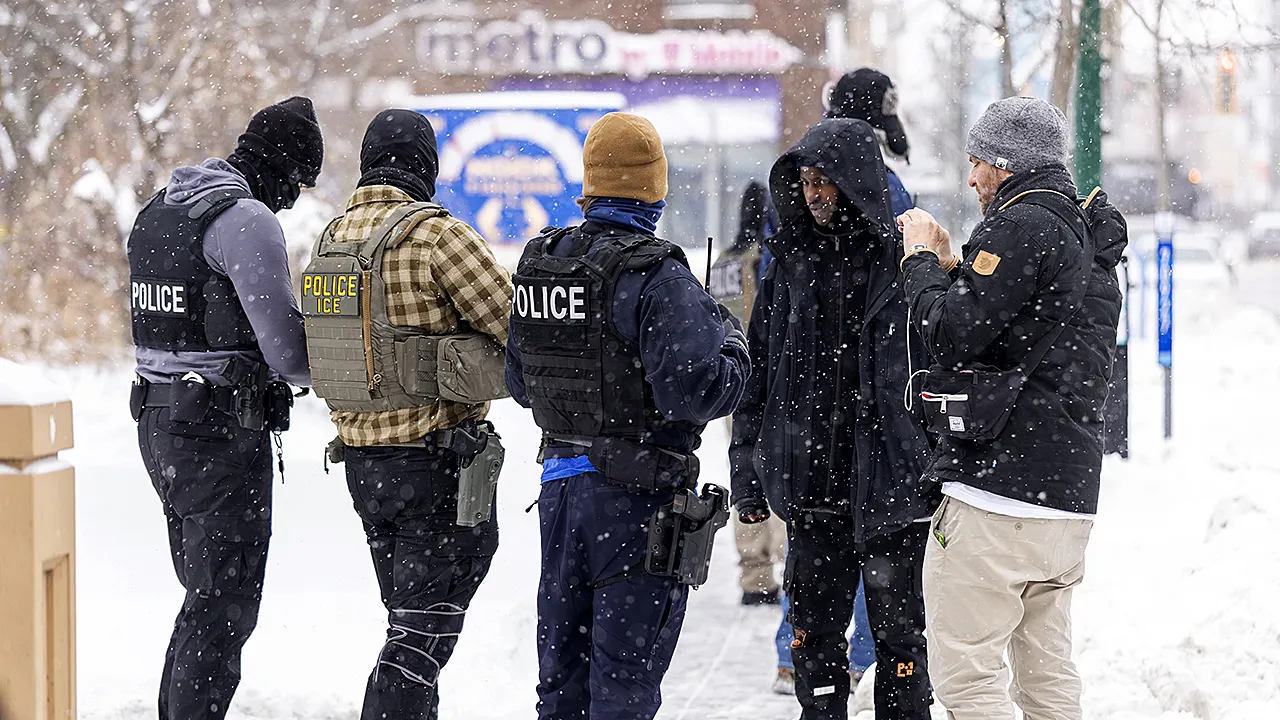
A tense situation unfolded in Minneapolis on Wednesday involving federal Immigration and Customs Enforcement (ICE) agents, prompting Minnesota Governor Tim Walz to issue a call for calm as authorities worked to gather more information. The incident, which occurred near the intersection of East 34th Street and Portland Avenue, has been characterized by the Department of Homeland Security as a “vehicle ramming incident.” While details remained limited in the immediate aftermath, officials confirmed that ICE agents were unharmed during the encounter.
The city of Minneapolis quickly acknowledged awareness of the situation through their official social media channels, warning residents to avoid the area while the investigation continued. This precautionary measure highlighted the serious nature of the incident, which drew an immediate response from multiple law enforcement agencies. The Hennepin County Sheriff’s Office, though not directly involved in the initial confrontation, dispatched deputies to assist federal authorities as needed, demonstrating the collaborative approach often employed during such emergencies.
Governor Walz’s statement emphasized both transparency and patience, promising to share information as it became available while urging Minnesota residents to remain calm. His message reflected the delicate balance officials must maintain in such situations – addressing public safety concerns while preventing unnecessary panic or speculation that could complicate the response. The governor’s involvement signals the significance of incidents involving federal law enforcement operations within state boundaries, particularly when they involve agencies like ICE whose activities often intersect with broader political discussions about immigration enforcement.
The characterization of the incident as a “vehicle ramming” by the Department of Homeland Security provides important context, suggesting a potentially deliberate action directed at federal agents. Such incidents have unfortunately become more common in recent years, with law enforcement personnel facing various forms of targeted violence while performing their duties. These confrontations raise serious questions about officer safety and the increasingly complex environment in which federal agents operate, particularly those involved in immigration enforcement, which has become a deeply polarizing political issue in many communities.
The multi-agency response to this incident illustrates the overlapping jurisdictions and responsibilities that exist within American law enforcement. Federal agencies like ICE operate nationwide but must frequently coordinate with state and local authorities when conducting operations. The Hennepin County Sheriff’s Office’s offer of assistance exemplifies how these different levels of law enforcement support each other during critical incidents, regardless of which agency has primary jurisdiction. This cooperation becomes especially important in urban environments where operations can affect large populations and potentially sensitive community relations.
As the investigation continues, this incident will likely prompt further discussions about federal immigration enforcement activities, community relations, and officer safety protocols. While the immediate focus remains on establishing the facts and ensuring public safety, such events inevitably become part of larger conversations about law enforcement practices and immigration policy. For Minneapolis residents, particularly those in the affected neighborhood, the incident serves as a stark reminder of how national policy issues can suddenly manifest in local communities, bringing abstract debates about immigration enforcement into sharp, concrete reality on city streets.