




A Tense Moment in Detention: Mothering Strangers Through Measles
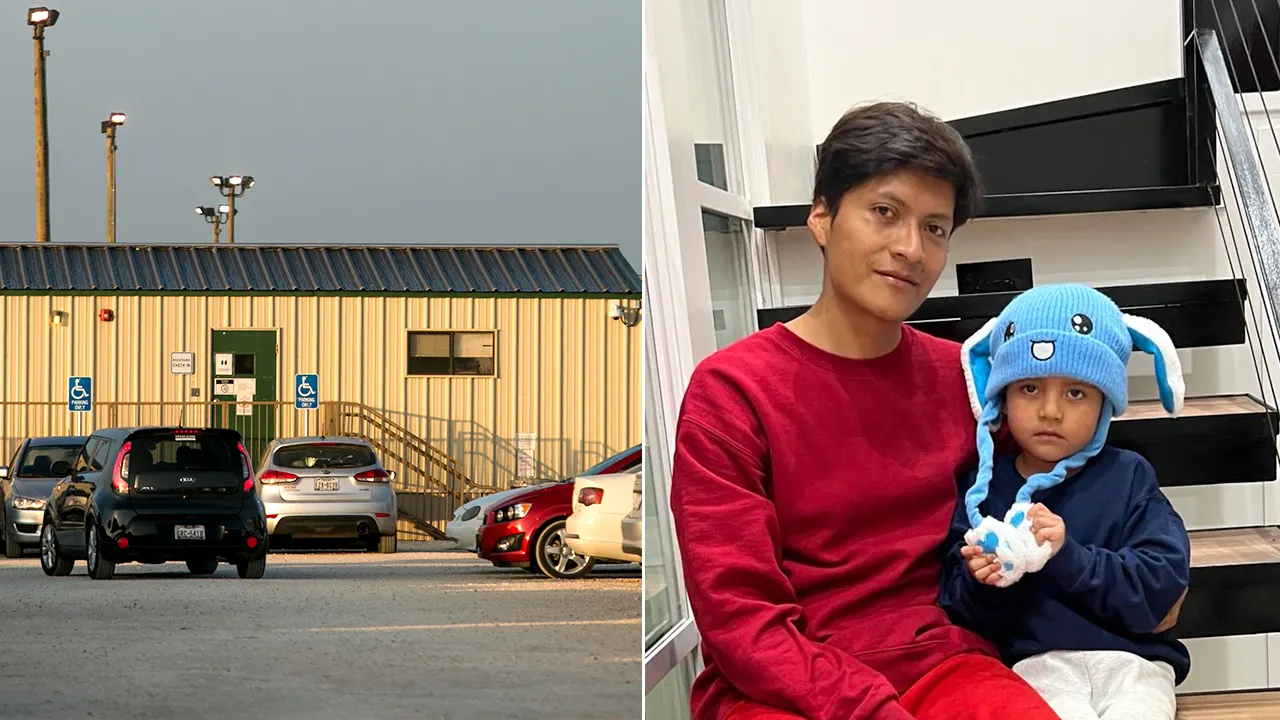
Imagine waking up in a crowded, impersonal detention center, far from home, with uncertainty hanging in the air like a heavy fog. That’s the reality for many migrants held at facilities like the Dilley Immigration Processing Center in Texas, where a recent measles outbreak has thrown everything into lockdown. On a quiet Sunday, officials from Immigration and Customs Enforcement (ICE) announced they’d stopped “all movement” within the facility after two detainees were confirmed positive for measles. It’s a stark reminder of the vulnerabilities in these holding spots, where diseases can spread quickly among people who’ve already endured treacherous journeys. For the detainees—fathers, mothers, children seeking a better life—the halt isn’t just policy; it’s a desperate measure to protect lives, turning the center into a silent, enclosed world where every cough is suspect. You can picture the staff, exhausted and vigilant, coordinating quarantines while families worry about separations. And in an ironic twist, this all unfolded on the same day a 5-year-old boy and his father, whose stories had captured America’s heart, walked free from the facility. It’s as if the news cycle spins with a life of its own, amplifying human dramas amid bureaucratic decisions.
The Department of Homeland Security’s statement painted a picture of swift action, grounded in the facts of January 31, 2026, when the Texas Department of State Health Services officially confirmed the active measles infections. Assistant Secretary Tricia McLaughlin described how ICE’s Health Services Corps sprang into motion, shielding everyone possibly exposed by isolating the affected individuals and limiting interactions. In these moments, you can’t help but empathize with the detainees—imagine being told you can’t leave your bunk or hug a loved one because an invisible enemy lurks in the air. Quarantines are never easy; they’re isolating, anxiety-inducing, especially for those who’ve fled violence or poverty, only to face another barrier. The medical staff, many of whom are everyday heroes dedicating their days to humanitarian work, are monitoring closely, ensuring proper care with 24-hour vigilance. It’s not just about containment; it’s about human compassion in a system that’s often seen as cold. Parents might think of their own kids back home, wondering if measles vaccines are reliable, as the outbreak underscores the fragility of health in migration’s flux. This isn’t a distant statistic—it’s personal stories unfolding in real-time.
One detainee’s tale stands out, intertwining with the outbreak’s timeline: a 5-year-old boy named Liam Conejo Ramos and his father, Adrian Alexander Conejo Arias, who were released that very Saturday after sparking national outrage. Their detention had become a rallying cry, humanizing the debates on immigration policy through the eyes of an innocent child. Picture Liam, wide-eyed and confused in this alien environment, his father’s protective embrace a beacon of hope. For weeks, headlines blared about their plight, with families across the U.S. sympathizing, sharing stories of their own immigration paths or losses. The Department of Homeland Security Deputy AG denied their asylum claim post-release, but the emotional toll lingers. In the midst of the measles alert, this release feels almost providential—a small win in a sea of challenges. It’s a reminder that behind the policies are real people, with dreams cut short by borders and bureaucracy. Liam’s story, amplified by media and public empathy, forced a reevaluation of how we treat the vulnerable, turning a policy issue into a human rights discussion.
Amid the chaos, ICE officials are quick to highlight the silver lining: the comprehensive healthcare provided at these facilities, often surpassing what many detainees experienced in their home countries. McLaughlin emphasized a longstanding tradition of medical, dental, and mental health services from the moment someone enters custody, including emergency care around the clock. For many, this represents dignity in dire straits—think of a mother finally receiving prenatal care she couldn’t afford back home, or a father treated for wounds from a perilous crossing. It’s not without flaws, but it’s a testament to human decency in an imperfect system. Detainees might find solace in knowing their health is prioritized, even as outbreaks expose gaps. To humanize this, consider the unspoken gratitude from families who’ve watched loved ones suffer elsewhere; here, they get checks for tuberculosis, annual exams, and sometimes even life-saving interventions. Yet, it’s a double-edged sword: while care is commendable, it doesn’t erase the pain of detention itself. In stories shared by released migrants, you hear of kindness from ICE doctors who treat patients like humans, not numbers, fostering trust in a place rife with suspicion.
Zooming out, the measles outbreak echoes broader public health scares in the U.S., where last year saw the highest measles incidence in decades—over 2,267 cases nationwide, per the Centers for Disease Control and Prevention. In West Texas alone, the Texas Department of State Health Services reported at least 762 cases, leading to two tragic deaths and 99 hospitalizations, with data last updated in August. It’s a sobering statistic that humanizes the virus as something more than dots on a map—behind each case is a family thrust into crisis, a child missing school, a parent grappling with fear. Vaccination rates, or the lack thereof, play a key role, dividing communities on trust in medicine versus alternative beliefs. For immigrants, measles carries extra weight, often exacerbated by crowded living conditions and poor initial access to vaccines. This outbreak isn’t isolated; it’s part of a global dialogue on health equity, where the U.S.’s measles resurges highlight vulnerabilities that know no borders. Public health experts advocate for empathy-driven solutions, like community programs to educate and vaccinate, turning data into a call for collective action.
The Dilley facility’s spotlight intensified recently with Congressman Joaquin Castro pledging inspections after the Conejo family detention, reported by the San Antonio Express-News. In a stroke of timing, the measles cases were announced shortly after his vow, prompting his office to confirm the outbreak details. Castro and his staff, safely vaccinated, visited the site, reporting that the father-son duo underwent thorough medical exams before release, ruling out any measles risk. It’s a layer of accountability, where elected officials step in to ensure facilities aren’t just warehouses but uphold humane standards. For locals and policymakers, this scrutiny feels personal—families in Texas towns might share stories of neighbors affected by outbreaks, urging better oversight. Media narratives, from “egregious lies” to federal judges ordering releases within days, underscore the tension between policy and people. In the end, the Dilley drama begs humanity to bridge divides: through dialogue, vaccination drives, and reforms that see detainees as neighbors, not threats. As Congress and communities respond, perhaps real change blossoms from this shared vulnerability.