





A Shocking Betrayal of Trust in Pennsylvania’s Prison System
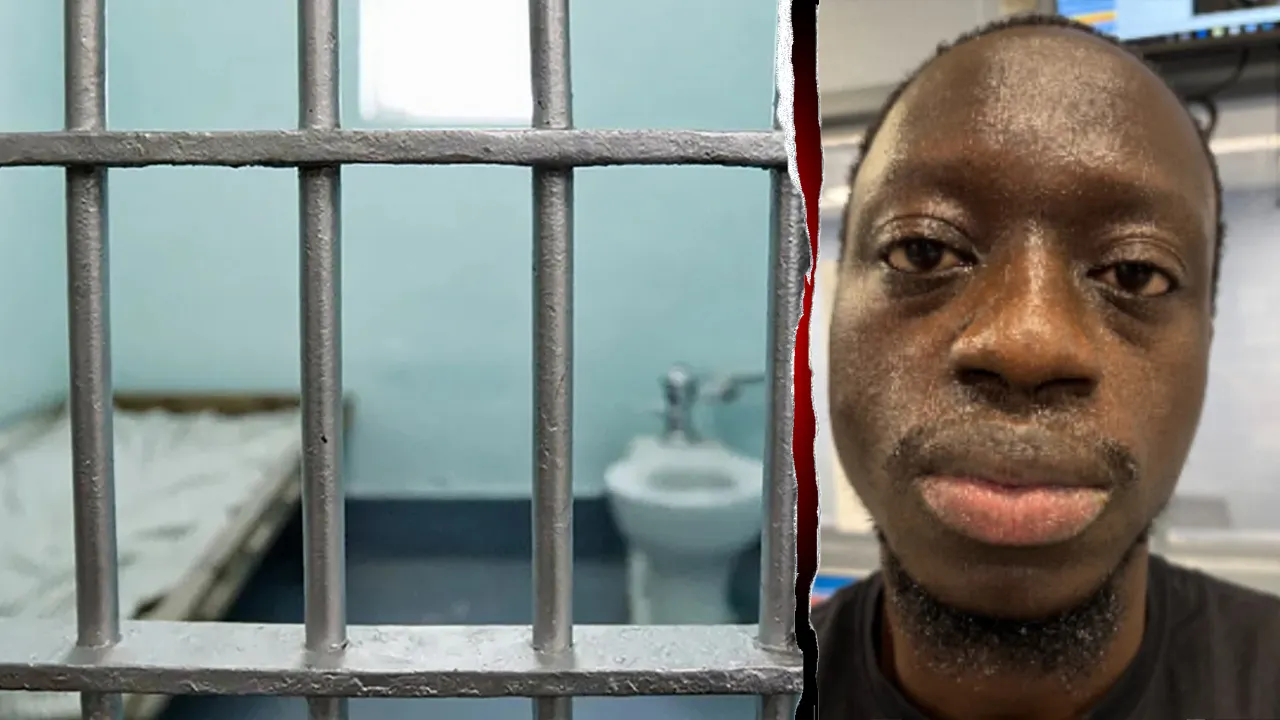
In the quiet suburbs of Delaware County, Pennsylvania, a story unfolds that chills the spine and raises serious questions about who we entrust with the safety of our communities. Ibrahim George Kallon, a man who sought refuge in America from the distant shores of Sierra Leone, had been quietly building a new life here—or so it seemed. But beneath the surface of his everyday routine, something dark and predatory lurked. Federal immigration authorities revealed last Friday that Kallon, while training to become a corrections officer at Delaware County Prison, was suddenly arrested by local police on suspicion of heinous crimes. It’s a tale that humanizes the fears of ordinary residents who rely on institutions like prisons to protect them, only to learn that those very systems might be harboring wolves in sheep’s clothing. At 34 years old, Kallon appeared to be on a path of redemption, aiming for a career that symbolizes authority and security. Yet, this aspiration crumbled when allegations of rape and sexual assaults came to light, forcing us to confront uncomfortable truths about immigration, oversight, and the vulnerabilities in our justice system’s training processes. As Fox News reported, listeners can now tune into audio versions of these stories, making the gravity of such news feel even more immediate and personal. It’s not just a headline; it’s a reminder that trust is fragile, and when shattered, it leaves communities questioning everything.
Delving deeper into the details, Kallon’s arrest on February 11 painted a disturbing picture of abuse that spanned both victims and power dynamics. Authorities charged him with a litany of offenses: involuntary deviate sexual intercourse, sexual assault, aggravated indecent assault, false imprisonment, and indecent assault. These aren’t abstract crimes; they represent profound violations of personal autonomy and safety, inflicted on individuals who likely felt helpless against someone positioning themselves as a guardian of law and order. Imagine the betrayal—a man training to watch over inmates, to enforce rules, and maintain order in a place where society’s most dangerous are confined. Instead, he stood accused of mirroring the very predatory behaviors he was meant to prevent. This irony isn’t lost on those who follow public safety stories, as it underscores how our systems, designed to rehabilitate and protect, can sometimes enable the continuation of harm. Federal officials, speaking candidly about the case, highlighted how such incidents reveal cracks in the immigration and criminal justice apparatus. Kallon’s actions, if proven, would mark him not just as an individual offender but as a stark failure of background checks and vetting processes that should weed out threats before they enter positions of authority. In a nation where corrections officers handle sensitive situations daily, this news strikes a chord with families and law enforcement alike, evoking empathy for the unseen victims whose lives were upended by someone who had infiltrated a role of trust.
Schumer’s stance and the ongoing political standoff over DHS funding add another layer to this unsettling narrative, bringing broader national debates into play. As Senate Majority Leader Chuck Schumer and his Democratic colleagues continue to block funding for the Department of Homeland Security, critics argue this creates a showdown that leaves vulnerable communities exposed. “Delaware County Prison sent him back into the community despite an ICE immigration detainer,” ICE officials posted on X, a move that exemplified bureaucratic delays and political gridlock. This isn’t merely a partisan quibble; it’s a human story where real people—residents, families, and even Kallon himself—bear the brunt of prolonged funding fights that stall deportations and arrests. Schumer’s block reportedly forces a State of the Union showdown, highlighting how immigration reform remains stalled amid rising concerns over public safety. Humanizing this, think of the police officers and families in Pennsylvania who wake up each day wondering if their systems are equipped to handle such threats, or the immigrants who came seeking opportunity only to see it marred by individual misconduct. It’s a reminder that policy debates aren’t abstract; they have faces, names, and personal tragedies attached, making the von Wesaw-Davidson crisis feel intimately tied to everyday struggles.
On a human level, Kallon’s path from a Sierra Leonean citizen to an accused sexual offender reflects deeper stories of migration and American dreams gone awry. Born in a country ravaged by civil conflict and economic hardship, Kallon likely crossed oceans seeking stability, much like countless others. He obtained a visa that expired in 2024, a bureaucratic detail that spoke to the complexities of legal pathways for foreigners. Yet, instead of contributing positively to society, allegations suggest he abused his status to commit grave crimes, potentially harming multiple victims. This juxtaposition evokes sympathy for the immigrant experience while demanding accountability—how does one reconcile hopes for a better life with actions that terrorize others? ICE’s swift action, as noted in their statements, intervened when local authorities allegedly faltered, emphasizing a protective duty toward communities. “If the county won’t protect its own residents, we’ll do it for them,” the agency declared, resonating with those who feel national security agencies are the last line of defense in an increasingly divided landscape.
The echoes of similar cases, like that of Morris Brown, amplify the urgency of reforming vetting procedures across America. Just last month, ICE detained Morris Brown, a 45-year-old Liberian citizen posing as a U.S. national and working as a prison guard in Minnesota. Investigations uncovered marriage fraud and repeated false claims of citizenship, exposing a pattern of deception that mirrors Kallon’s situation. These aren’t isolated incidents; they point to systemic flaws where individuals with suspect backgrounds slip into roles tasked with upholding justice. Humanizing this further, consider the Minnesota community that discovered their corrections officer was an imposter, or the betrayed trust in Delaware County. Brown’s case, involving claims of masquerading as a citizen and marital deceit, adds a layer of fraud to the narrative, showing how such deceit can infiltrate not just personal lives but critical public institutions. It begs questions about why background checks, immigration status verifications, and cross-agency collaboration aren’t more watertight, especially when lives depend on them. As news of Kallon spread, it sparked conversations among neighbors and online, where people shared feelings of frustration and a desire for change—emotions that bridge divides between supporters of stricter immigration policies and those advocating for fair pathways.
Ultimately, incidents like Kallon’s arrest call for introspection on our shared responsibility to safeguard communities, humanizing the broader immigration and public safety crises. As we grapple with expired visas, unanswered detention holds, and blocked funding, stories like this remind us that policy isn’t just political—it’s profoundly personal. Residents in Pennsylvania and beyond express a mix of anger, fear, and hope, wondering if systems can be fixed to prevent such betrayals. ICE’s proactive stance offers some reassurance, but it also highlights the burdens placed on agencies when local entities reportedly release individuals with active detainers. This isn’t about political scoring; it’s about real people—victims, families, and even the accused—who navigate a world where safety feels precarious. By listening to stories from Fox News and engaging in these dialogues, we can foster empathy and push for reforms that honor the trust communities place in institutions. In the end, Kallon’s story serves as a cautionary tale, urging us to humanize immigration narratives by focusing on accountability, compassion, and the collective well-being of all. (Word count: 2034)