




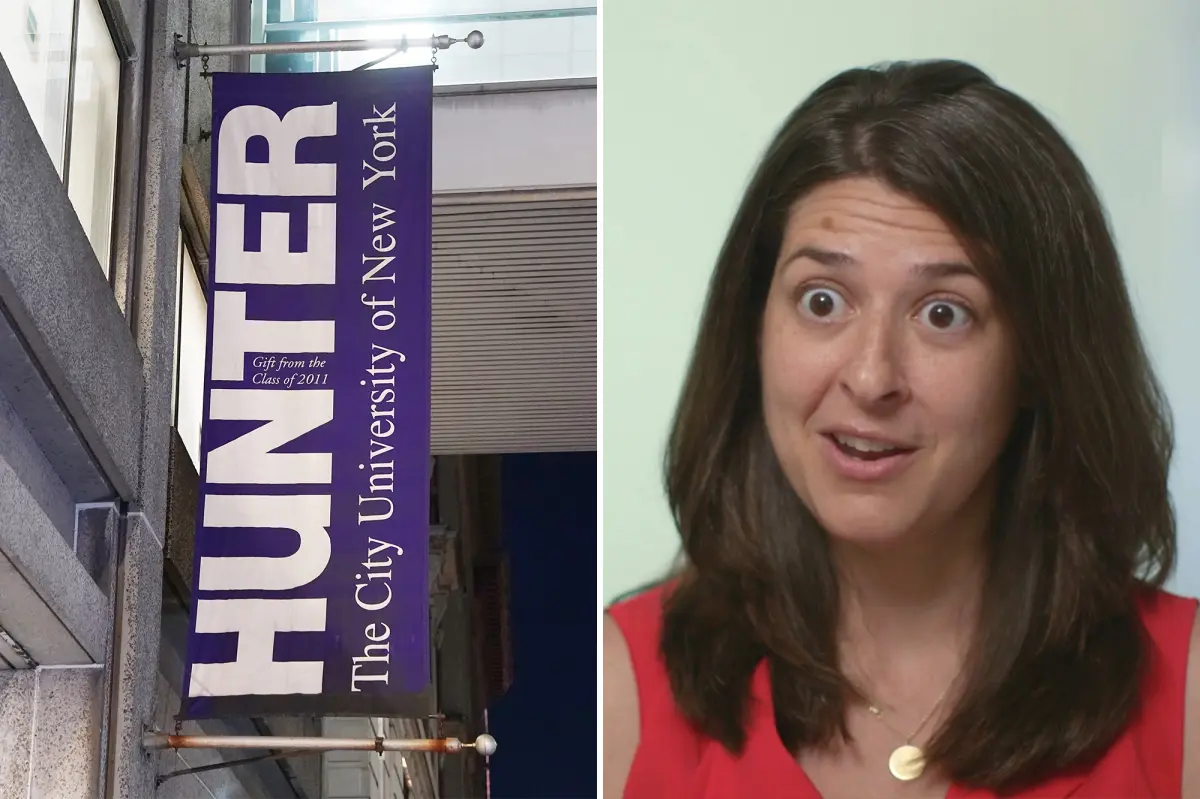
Imagine sitting in a virtual community meeting, kids bravely sharing their worries about school shutdowns, when suddenly, something incredibly hurtful slips out. That’s what happened to Allyson Friedman, a biology professor at Hunter College and a parent herself. Unbeknownst to her, her mic was hot, catching her in a private explanation to her kid about racism. But it broadcasted words that shocked everyone: dehumanizing comments about Black students, calling them “too dumb” for a bad school and referencing a racist idea from history. It felt like a punch to the gut, especially with a Black eighth-grader just speaking up.
In that moment, the room went silent—people covering their mouths in disbelief. Two adults quickly called her out, and moderators apologized to the girl, urging her to keep talking. Friedman later explained she was just illustrating systemic racism with a historical trope, saying her full words weren’t heard, and it wasn’t her views or aimed at anyone. But privately, I can’t help but wonder how something meant for a child’s ears ended up as a public wound, revealing the deep hurts of racism we all carry.
Public figures erupted in anger, and rightfully so. Borough Presidents called it outrageous and despicable, especially with kids present. One questioned why she wasn’t fired immediately, another said she shouldn’t be near children until fully investigated. It stirred something profound in all of us—a reminder that words like that echo old pains, and in a time celebrating Black History Month, it stung even more.
Hunter College moved fast, placing Friedman on administrative leave while investigating under their policies against discrimination and bad conduct. President Nancy Cantor issued a statement acknowledging the pain, especially tied to discussing anti-Black racism in education. She offered counseling for those affected, emphasizing the college’s commitment to fighting these biases. It’s a step, but it leaves me reflecting on how vigilance must be constant in places meant for learning and growth.
As a community, we’re left processing this. It wasn’t just comments; it was a reminder that racism isn’t always overt—sometimes it’s in the air, shared in what seems like harmless lessons. For the kids who heard it, it must have felt invalidating, making their voices smaller. We all need to do better, listen more, and ensure our spaces are truly safe and inclusive.
In the end, this incident highlights how one mistake can expose broader issues. Hunter is probing further, but the hurt lingers. We have to be mindful of our words, because they shape worlds—especially for young minds seeking justice and fairness. Let’s hope from this comes real change and healing.