

The Curious Case of Andrew Tate’s Romanian Detention and American Connections
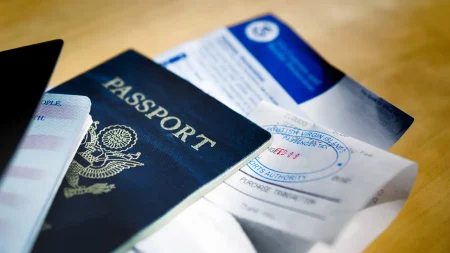
Andrew Tate’s legal saga in Romania represents a striking intersection of international justice, political influence, and modern celebrity culture. For months, the controversial internet personality found himself confined to Romanian borders, unable to leave as authorities investigated serious allegations against him. During this period of restricted movement, Tate strategically cultivated relationships with influential figures in American conservative circles, most notably former Fox News host Tucker Carlson and even reaching out to Barron Trump, the youngest son of former president Donald Trump. This deliberate networking occurred while Tate faced serious allegations of human trafficking and organized crime – charges that would ultimately shape his legal battle and public image. Despite the severity of these accusations, an unexpected judicial decision eventually permitted him to leave Romania, raising questions about the influence of his high-profile connections and the complex international dynamics at play in his case.
The restrictions placed on Tate in Romania came amid investigations into disturbing allegations that painted him as a predator exploiting vulnerable women. Romanian prosecutors built a case suggesting Tate and his associates had constructed an organized criminal enterprise centered around sexual exploitation. Their investigation alleged that Tate had used the “loverboy method” – a manipulative approach involving false romantic interest to gain control over women before forcing them into pornography production. These serious accusations stood in stark contrast to Tate’s public persona as a self-proclaimed champion of traditional masculinity, a persona that had already garnered him both devoted followers and fierce critics across social media platforms. While Tate consistently denied all allegations, his detention and the subsequent legal proceedings became a lightning rod for debates about gender dynamics, justice systems across borders, and the responsibility of influential internet personalities.
During his restricted period in Romania, Tate executed a calculated public relations strategy, leveraging his precarious legal situation to build alliances with prominent American conservative personalities. His appearance on Tucker Carlson’s program proved particularly consequential, providing him a platform to portray himself as a victim of political persecution rather than a potential criminal facing legitimate investigation. This narrative resonated with segments of the American right who were increasingly receptive to claims about weaponized justice systems and ideological persecution. Beyond Carlson, Tate methodically extended his network to include other conservative influencers and even made overtures to the Trump family circle. This strategic cultivation of American supporters created an unusual dynamic where an individual facing serious criminal allegations in one country was simultaneously building a support network of powerful figures in another, potentially complicating the straightforward administration of justice.
The judicial decision allowing Tate to leave Romania despite ongoing investigations raised significant questions about equality before the law and the influence of celebrity and political connections on justice systems. The court order permitting his departure represented an exceptional development in a case involving such serious allegations, particularly considering the flight risk that typically accompanies international criminal investigations. Legal experts and observers questioned whether similar latitude would have been extended to defendants lacking Tate’s fame and connections. This aspect of the case highlights the uncomfortable reality that justice systems worldwide often operate differently for those with resources and visibility than for ordinary citizens. The decision also underscored the challenges of administering justice in cases with international dimensions, where different legal standards, public opinion factors, and diplomatic considerations can complicate proceedings.
Tate’s case exemplifies how modern influence operates across traditional boundaries of celebrity, politics, and justice. His rise from relative obscurity to controversial internet personality and then to a figure with connections to mainstream political power demonstrates the fluid nature of influence in the digital age. By positioning himself as a culture warrior fighting against perceived progressive excess, Tate managed to transform legal troubles into political capital within certain circles. His ability to frame criminal allegations as ideological persecution resonated with growing segments of the American right who had become receptive to narratives about systemic bias against conservative figures. This strategic alignment with political forces represents a troubling precedent where alleged criminal behavior can be recontextualized as political martyrdom, potentially undermining the ability of justice systems to function independently of political pressure.
The ongoing saga of Andrew Tate reflects broader societal tensions regarding gender, justice, and power in the digital age. His case demonstrates how traditional systems of accountability face new challenges when confronting figures who can rapidly mobilize international support networks and reframe legal processes as political battles. Whether justice will ultimately be served in Tate’s case remains an open question, but the unprecedented manner in which he navigated his legal troubles – converting them into opportunities for building political alliances and expanding his influence – offers concerning insights into how power operates in our interconnected world. As the legal process continues to unfold, the Tate case serves as a revealing case study in how celebrity, political connection, and strategic communication can interact with judicial systems, potentially challenging the principle that justice should remain blind to status and influence.