






Tragedy in Colorado: A Mother’s Life Cut Short by Domestic Violence
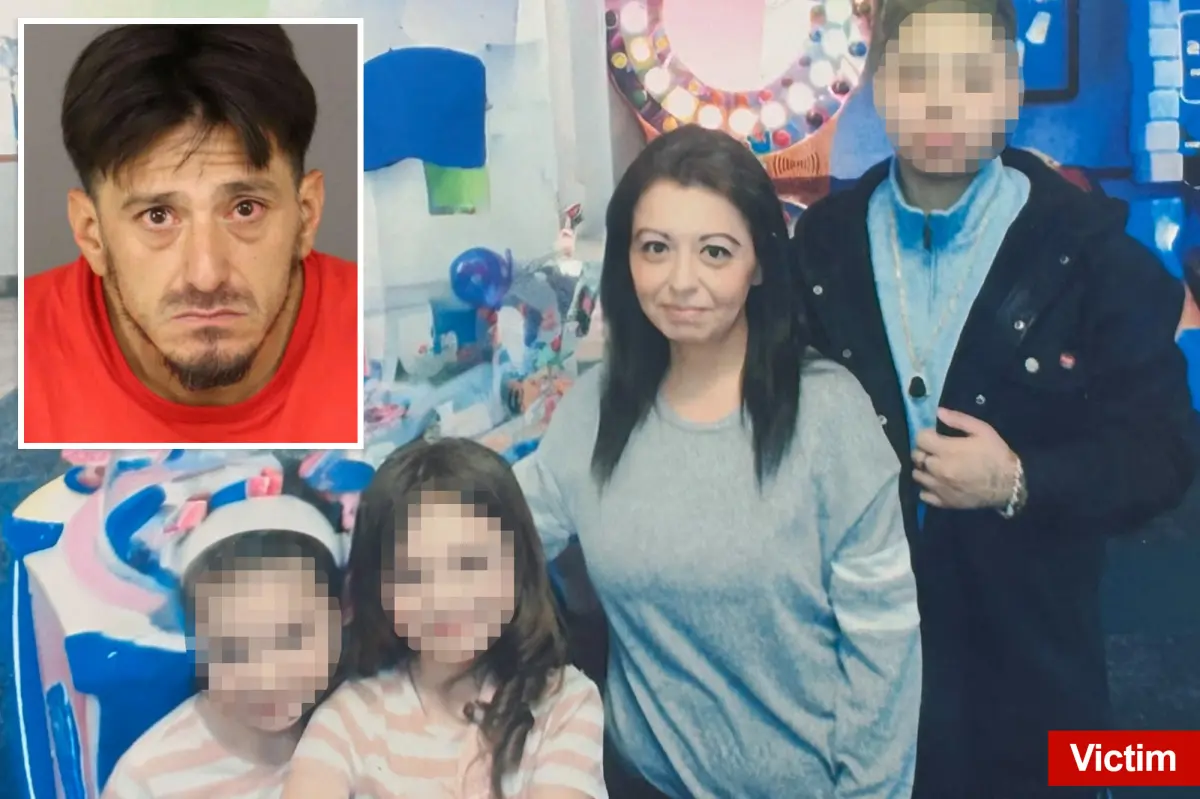
In a heartbreaking case that highlights the devastating consequences of domestic violence and systemic failures, Thomas Perales, a homeless man with a history of violent offenses, stands accused of murdering Annette Marie Valdez, the mother of his three children. The 37-year-old mother was found dead in a trash can on December 4 in Westminster, Colorado, nearly a week after she disappeared on Thanksgiving. According to court documents, Perales admitted to detectives that he “blacked out” during an argument with Valdez, placing his hand over her mouth while holding her in a headlock. Upon realizing she was dead, he allegedly retrieved a trash can from behind a nearby Safeway and used it to remove her body from his apartment, wrapped in blankets. In a chilling statement to officers, Perales reportedly said, “You know I killed my wife and paraded her around?”
The case becomes even more disturbing with reports from members of the homeless community, who told Valdez’s family that Perales had been pushing her body around in a shopping cart for several days following her death. Adam Larson, Valdez’s brother, relayed this information to detectives during the investigation. When Valdez failed to return home on Thanksgiving, concerned family members visited her apartment to find troubling signs: an unlocked door, her phone left on the bed, shoes still inside, and keys on the ground outside. The medical examiner found injuries to Valdez’s neck consistent with trauma sustained before death, though decomposition limited a comprehensive assessment. Perales is now expected to face charges of second-degree murder, abuse of a corpse, and violation of a protection order.
What makes this tragedy even more heartbreaking is that it potentially could have been prevented. Court records and police reports reveal that Perales had a lengthy history of domestic violence and repeatedly violated protection orders issued to safeguard Valdez and her children. In a particularly alarming incident just weeks before the murder, on October 24, Perales attempted to break into Valdez’s apartment by trying to pry open her front door with a knife and kicking it. A frightened Valdez called her mother while watching him on her Ring camera. When police arrived, they found the door’s deadbolt severely damaged and the Ring camera and peephole smeared with red paint. Perales was found nearby with a red paint marker and subsequently charged with domestic violence, violation of a protection order, criminal mischief, and obstructing a peace officer.
Perhaps the most troubling aspect of this case is the timing of Perales’ release from jail. Despite his history of violating protection orders and the recent break-in attempt, an Adams County judge sentenced him to just 12 months of probation and released him on November 21—only one week before Valdez was last seen alive. This decision raises serious questions about the effectiveness of the judicial system in protecting victims of domestic violence, especially those with documented histories of repeated violations and escalating behavior. Police records obtained by local media show that officers had been called to Valdez’s apartment an astounding 67 times in the past two years, including nine calls specifically for domestic violence incidents, further illustrating the ongoing nature of the abuse.
Valdez’s family shared their heartache and frustration, revealing they had been trying for years to help her break free from the cycle of abuse with Perales. “We’ve tried so much to get her away from him. Every single time she went right back [saying], ‘That’s my kid’s father,'” her brother Adam Larson told 9NEWS. This sentiment echoes the complex emotional bonds that often keep victims connected to their abusers, particularly when children are involved. The case highlights the challenges that domestic violence victims face in permanently escaping dangerous relationships, even with family support and legal protections in place. For many victims, the ties of parenthood, emotional manipulation, financial dependence, or fear can make breaking away seem impossible, even when the danger is clear to others.
As the holiday season approaches, the tragedy has left three young girls without their mother. Valdez’s daughters are now staying with extended family members for Christmas, facing an unimaginable loss during what should be a joyful time. “Their mom was gone and it’s about to be Christmas. We don’t even know what to say to them right now,” said Analisa, Adam Larson’s wife. Perales was scheduled for his first court appearance on Wednesday, with the Adams County District Attorney’s Office expected to make a formal charging decision soon. This case serves as a painful reminder of the deadly potential of domestic violence and the urgent need for more effective interventions and protections for those at risk. It raises important questions about how the justice system handles repeat offenders in domestic violence cases and what changes might be needed to prevent similar tragedies in the future. For Annette Marie Valdez’s three daughters, no judicial outcome can restore what they have lost—a mother whose life was cut tragically short by violence that many systems failed to prevent.