



Governor Hochul to Sign Groundbreaking Medical Aid in Dying Act, Marking a New Chapter for Terminally Ill New Yorkers
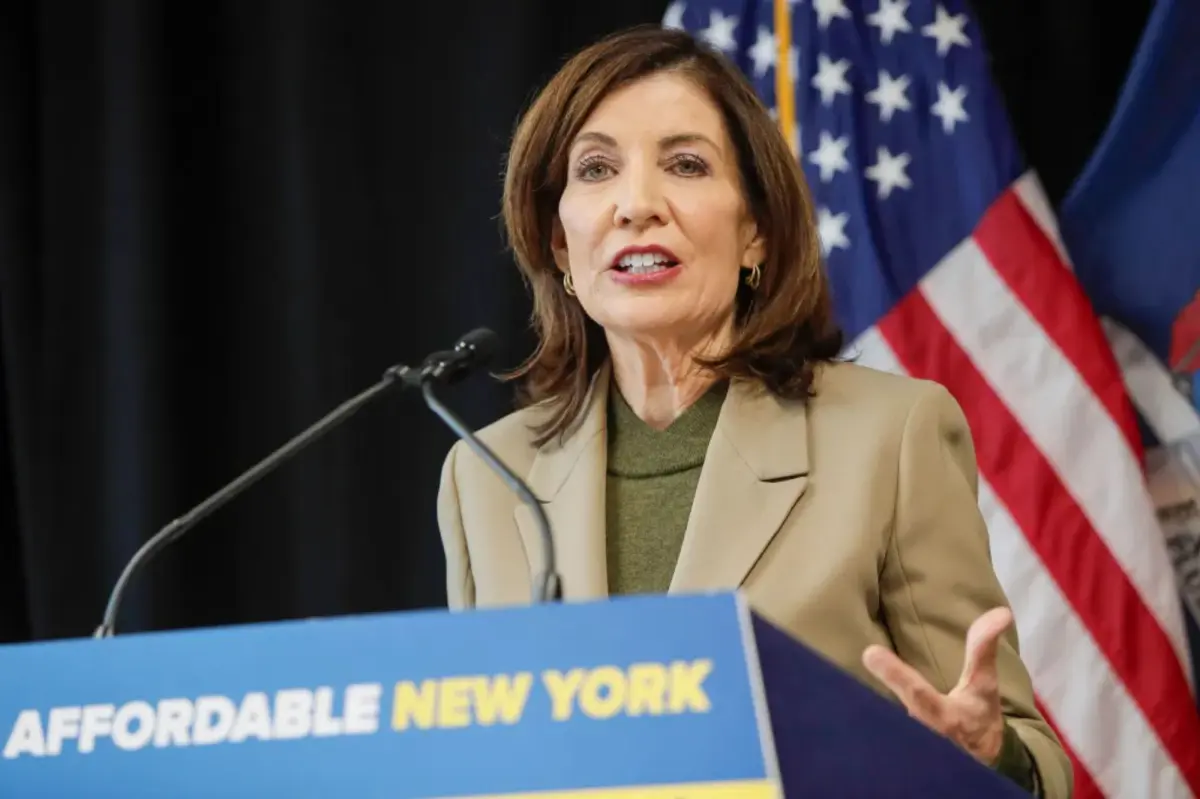
In a deeply personal and consequential decision, Governor Kathy Hochul announced Wednesday her intention to sign the Medical Aid in Dying Act, positioning New York to join the states that permit terminally ill individuals to choose the time and manner of their own deaths. Writing in a Times Union op-ed, Hochul framed this legislative milestone as a civil rights issue that honors individual autonomy at life’s most vulnerable moment. “The Medical Aid in Dying Act will afford terminally ill New Yorkers the right to spend their final days not under sterile hospital lights but with sunlight streaming through their bedroom window,” the governor expressed, painting a poignant picture of dignity in one’s final hours. She continued with moving imagery: “The right to spend their final days not hearing the droning hum of hospital machines but instead the laughter of their grandkids echoing in the next room. The right to tell their family they love them and be able to hear those precious words in return.”
The journey to this moment has been neither swift nor simple. The bill passed the state Legislature in June by the narrowest of margins after years of advocacy, debate, and heartfelt testimony from both supporters and opponents. The contentious battle reflected deep divisions among New Yorkers, with disability rights advocates expressing concerns about potential coercion of vulnerable populations and religious groups raising moral and ethical objections. The tension between personal choice and societal protections has characterized the debate from the beginning, with passionate voices on both sides sharing deeply held convictions about life, death, and the boundaries of medical care. Despite these genuine concerns, the legislature ultimately determined that with appropriate safeguards, the right to choose one’s own end-of-life experience should be available to those facing terminal illness.
Governor Hochul emphasized that the legislation contains significant protections designed to prevent abuse and respect diverse viewpoints. Individual doctors will maintain the right to decline participation in assisted suicide based on personal or professional convictions. Similarly, religiously affiliated health facilities cannot be compelled to offer these services against their institutional values. These exemptions acknowledge the profound moral and ethical questions surrounding end-of-life care while still making the option available to those who seek it. Beyond institutional protections, the bill also includes safeguards for family members, caregivers, and medical professionals involved in these deeply personal decisions, reflecting an understanding that end-of-life choices affect not just the individual but a wider circle of care.
The legislation incorporates practical safeguards against hasty or pressured decisions. Perhaps most significantly, patients must observe a five-day mandatory waiting period, providing space for reflection, family conversations, and the possibility of changing one’s mind. This cooling-off period represents a recognition that end-of-life decisions should never be made impulsively or under duress. “These are fundamental protections to ensure vulnerable people aren’t pressured, misled or left without alternatives,” Hochul wrote, addressing head-on the concerns raised by disability advocates and others worried about potential exploitation of vulnerable individuals. The governor also specified that this right applies exclusively to New York residents, preventing any possibility of the state becoming a destination for out-of-state individuals seeking assisted suicide.
This legislation places New York among a growing number of states acknowledging that individual autonomy extends to life’s final chapter. The debate reflects a broader societal reckoning with how we approach death and dying in modern medicine. Advocates have long argued that forcing terminally ill patients to endure prolonged suffering contradicts medical ethics and human dignity. They point to data from states like Oregon, which has permitted medical aid in dying since 1997, suggesting that simply having the option provides psychological comfort to many patients, even those who ultimately choose not to use it. The knowledge that one has choices in the face of terminal illness can itself be a form of palliative care, offering a sense of control when disease has taken so much away.
As New York prepares to implement this landmark legislation, the focus will shift toward thoughtful execution that honors its dual commitments to personal choice and robust safeguards. Healthcare systems will need to develop protocols that respect both patient autonomy and provider conscience. Medical schools and continuing education programs will likely incorporate training on end-of-life options, including palliative care alternatives. Community organizations may develop resources to help families navigate these profound conversations. Throughout this implementation process, maintaining the delicate balance between expanding choice and protecting vulnerability will remain essential. Governor Hochul’s decision reflects a belief that with proper guidelines and compassionate care, New Yorkers can be trusted to make their most personal decisions, including how they wish to face life’s end, in accordance with their own values, beliefs, and circumstances.