






A Shocking Day in Suburbia
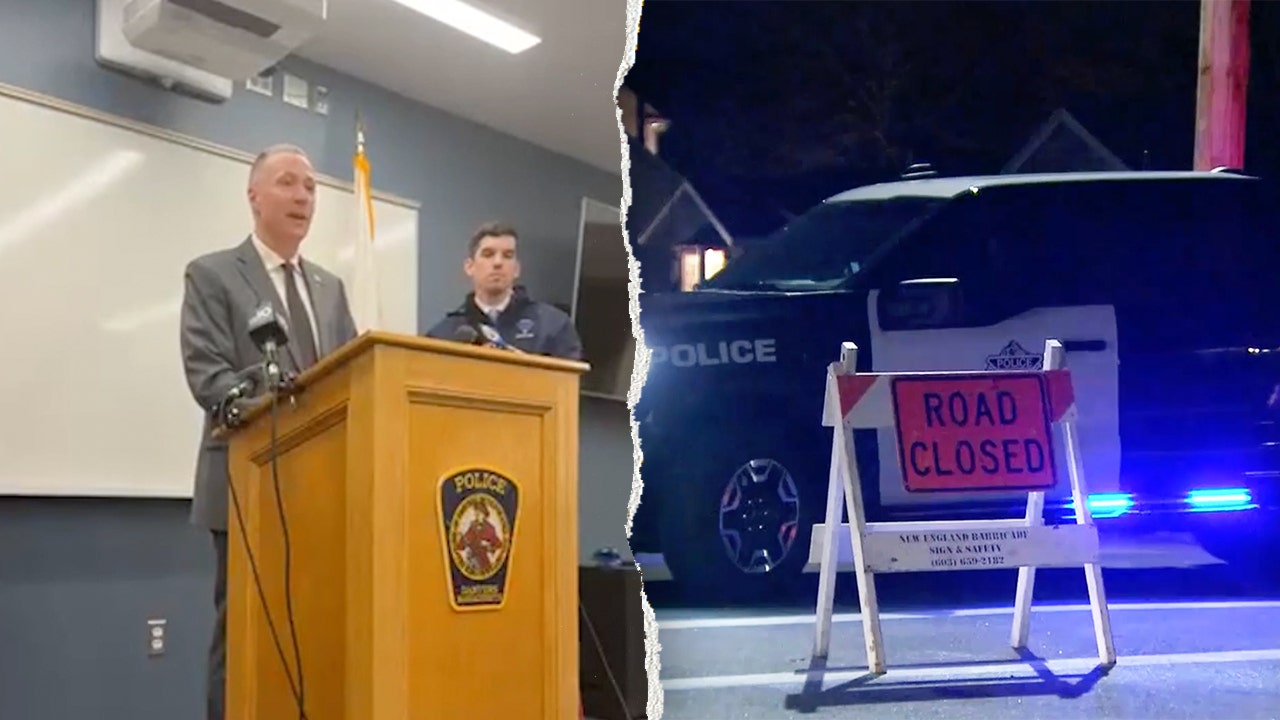
In the quiet, tree-lined streets of Danvers, Massachusetts, a seemingly ordinary day turned into a nightmare for the Swallow family and the entire community. Imagine grandmother Janet Swallow, at 68 years old, enjoying the comfort of her single-family home on Amherst Street—perhaps brewing a cup of tea or tending to her garden on that fateful Thursday afternoon. Janet, described as a longtime resident, was a pillar of the neighborhood, someone who knew her neighbors by name and always had a kind word. Her life was simple yet full, filled with the quiet joys of routine and the warmth of familiar surroundings. But on this day, an inexplicable horror unfolded, ripping through the fabric of that safety. Authorities later concluded it was a random act, with no prior connection between Janet and her attacker. The investigation kicked off innocuously enough: a 911 call to the Lynn Police Department about a young man wandering along Standish Road, clutching a knife with stains that looked suspiciously like blood. This was no amateur tip; it set off a chain of events that would reveal a tragedy of profound sadness and senseless violence. The police found Anthony DeMayo, an 18-year-old from Lynn, behaving erratically—perhaps disoriented, maybe struggling with internal demons we can only guess at. He was taken to Salem Hospital for evaluation, where his troubled mental state became apparent. As cops delved deeper, they executed a search warrant at his home, uncovering evidence that pointed directly to Janet’s house. A well-being check there confirmed the worst: Janet was found dead, her wounds screaming of a brutal homicide. The public threat? Minimal, authorities reassured, but the emotional toll on Danvers was immediate and deep. James Lovell, the Danvers Police Chief, offered heartfelt condolences, acknowledging Janet as a cherished local figure. “Our thoughts and prayers are with her and her family,” he said, a simple phrase that encapsulated the community’s shock. This wasn’t just a crime; it was a human story of lives intersecting tragically, reminding us how fragile our daily existence can be. As details emerged, Anthony’s life painted a picture of a high school senior at Bishop Fenwick, navigating the turbulence of adolescence. What drove him to this? Depression, a court psychologist noted after interviewing him. It added layers to the tragedy—was he battling unseen struggles, or was this a sudden, irreparable break? In the face of such loss, the story humanizes the pain: Janet’s loved ones left grieving in her absence, and Anthony, now facing the weight of his actions, sent for psychiatric evaluation. This event shook not only the Swallow family but the broader Bishop Fenwick and Danvers communities, forcing everyone to confront the randomness of evil in our supposedly safe worlds.
The Pursuit and Arrest: A Tense Afternoon
The afternoon of the incident was a whirlwind of quick decisions and gut-wrenching discoveries, painting a vivid scene of law enforcement racing against time to piece together a puzzle of dread. Picture the Lynn police officers responding to that 911 call—sirens blaring as they sped toward Standish Road, only to encounter Anthony DeMayo in person. He wasn’t menacing at first glance, but the knife in his hand, smeared with what they suspected was blood, betrayed a chilling reality. His erratic behavior—lost in a daze, perhaps mumbling incoherently—suggested something seriously amiss, prompting them to transport him to Salem Hospital rather than cuff him immediately. This act of caution highlights the human element in policing: officers trained to de-escalate, to see a troubled teen rather than just a suspect. While Anthony was being evaluated, the investigation escalated. Cops searched his Lynn home, a modest space where an ordinary kid from the neighborhood lived. What they found there—items linking back to Janet Swallow’s residence—was the thread unraveling the mystery. Coordinating with Massachusetts State Police and Danvers PD, they moved swiftly to Amherst Street. The “well-being check” was no casual visit; it was an urgent knock on Janet’s door, followed by the heartbreaking confirmation inside. The sight of her, fatally wounded in her own sanctuary, would haunt everyone involved. Essex County District Attorney Paul Tucker, addressing reporters later, emphasized the randomness, stating there was no known tie between Anthony and Janet. This isolation of the event made it all the more bewildering—was it a moment of madness born from Anthony’s depression, as later suggested? The arrest came while Anthony was still at the hospital, underscoring the system’s focus on mental health alongside justice. As a high school senior, he embodied the vulnerability of youth grappling with unseen afflictions. The community, reeling, began to mourn Janet—a woman whose life, now ended violently, represented countless others living quietly alongside us. This case wasn’t just factual; it stirred empathy, making us ponder the thin line between normalcy and catastrophe, and how one impulsive act can shatter families forever. The ongoing probe promised answers, but for now, the human cost was palpable, with Janet’s legacy as a kind resident forever tainted by this senseless loss.
Family Grief and Community Outpouring
Amid the stark headlines lay the deeply personal heartache of the Swallow family, whose world crumbled in an instant when they learned of Janet’s fate. Janet, at 68, was likely the heart of her home—maybe a retiree who delighted in her grandkids’ visits, baked pies for the block, or shared stories from her long life in Danvers. Her death wasn’t just a statistic; it was a profound void for those who loved her, leaving behind memories of laughter, support, and the simple bonds that define family. Police Chief Lovell spoke poignantly about notifying her relatives, his words a heartfelt bridge from official protocol to genuine sorrow. “Our thoughts and prayers are with her and her family,” he said, a sentiment echoed by the wider community grappling with disbelief. Danvers, a tight-knit suburb, now buzzed with whispered conversations in cafes and on sidewalks, neighbors rallying with casseroles and condolences, a testament to human resilience in the face of inexplicable tragedy. This wasn’t solely about loss; it was about preservation of memory, honoring Janet as the compassionate resident she was. Meanwhile, the Bishop Fenwick High School community faced its own turmoil. Anthony DeMayo, a senior there, was now thrust into the spotlight as the alleged perpetrator—a boy who might have been seen as just another student, perhaps struggling with grades, friends, or the pressures of growing up. The revelation of his charge sent ripples through the school, teachers and classmates alike processing the shock that one of their own could be linked to such horror. Was there a clue missed? A cry for help unheard? The court psychologist’s assessment of depressive symptoms added emotional depth, hinting at underlying pain that drove Anthony to act alone, as investigators believed. This duality in the narrative—victim and perpetrator, both humanized—urged reflection on mental health’s silent battles. Families on both sides suffered in private: the Swallows mourning a beloved matriarch, Anthony’s loved ones contending with fear and stigma. Communities reached out, organizing vigils or simply offering shoulders to lean on, reminding us that tragedies like this bind us not through division but through shared empathy. No ongoing threat kept residents up at night, but the emotional scars would linger, fostering conversations about safety, support, and the fragility of everyday peace in our lives.
The Legal Proceedings and Mental Health Spotlight
Fast-forwarding to the next day, Friday afternoon, Anthony’s arraignment in Salem District Court marked a pivotal moment in this unfolding drama, shedding light on the legal machinery and the urgent need to address mental health in such cases. Arraigned on murder charges, Anthony pleaded not guilty, his future hanging in the balance as he was ordered held without bail. Behind the courtroom formality was a young man, just 18, facing a charge that could redefine his life forever. Details from court revealed a profound insight: a psychologist’s evaluation noted depressive symptoms, painting Anthony not merely as a villain but as someone possibly teetering on the edge of a mental crisis. This diagnosis added nuance to the narrative, inviting the public to empathize rather than vilify—questions like “What led him here?” circling in minds weary from the headlines. His attorney, not objecting to the next steps, allowed Anthony to be transported to Bridgewater State Hospital for further psychiatric evaluation, a step underscoring the system’s recognition that mental health is often at the core of such senseless acts. Scheduled for a pretrial hearing on April 1, the case left room for more revelations, perhaps delving into Anthony’s background or the lack of any motive beyond randomness. Daniel Tucker, the District Attorney, reiterated that Anthony acted alone, with no connection to Janet, reinforcing the isolation of the crime. Yet, this process wasn’t just about justice; it humanized the experience, highlighting the challenges of a legal system intertwined with therapeutic needs. For Janet’s family, the arraignment offered a sliver of closure, knowing accountability was being pursued. For Anthony, it represented a chance at understanding, possibly rehabilitation. Broader implications emerged: discussions on youth mental health in schools, the pressures on teenagers, and society’s role in prevention. This wasn’t an abstract trial; it mirrored real struggles, forcing us to confront how untreated depression can lead to irreversible tragedies. Neighbors and readers alike were left pondering—what if Anthony had sought help sooner? The story, now legal and psychological, reminded everyone that behind every crime statistic lies a narrative of human vulnerability, urging compassion alongside condemnation.
Reflections on Random Violence and Community Healing
As the investigation pressed on, with the District Attorney assuring no known ties between Anthony and Janet, the case sparked widespread reflection on the concept of random violence—a terrifying notion that no one is ever truly safe, even in serene suburbia like Danvers. Janet’s death, attributed to Anthony, highlighted how lives can collide without rhyme or reason, shattering illusions of security we cherish. Humanizing this meant imagining the “what ifs”: What if Janet had locked her door that day, or if Anthony’s erratic behavior on Standish Road had been intercepted differently? Such hypotheticals underscored the fragility of existence, turning a news item into a cautionary tale about vigilance and empathy. Meanwhile, Anthony’s descent—from a seemingly average high school senior to a murder suspect—provoked empathy for the unseen battles of youth. His depressive symptoms, as revealed, invited a dialogue on mental health stigma, encouraging communities to check in on one another, to recognize the quiet cries for help that often go unnoticed. In Danvers and Lynn, the wake of this event fostered a collective healing: vigils for Janet, resources shared for mental health awareness, and a reaffirmed commitment to safer streets. This wasn’t defeat; it was resilience, with Chief Lovell and others stepping up to calm fears and bridge divides. The story’s randomness amplified its impact, prompting personal reckonings—did we overlook the isolated teen or the lonely elder? By framing it through human eyes, we saw beyond the act to the emotions: grief for a life lost, curiosity about a life disrupted. It urged societal change, from better mental health screenings in schools to stronger community networks. Ultimately, Janet’s legacy as a long-bodied resident inspired action, while Anthony’s case called for restorative justice over mere punishment. This tragedy, while heartbreaking, became a catalyst for growth, showing how even the darkest events can illuminate paths to understanding, support, and prevention in our interconnected lives.
Ongoing Questions and Hopes for Resolution
With the case still unfolding, investigators promised more answers, but for now, the narrative lingered in minds, blending sorrow with a glimmer of hope for justice and healing. Anthony DeMayo’s transfer to Bridgewater State Hospital marked a commitment to unraveling his mental state, perhaps uncovering the roots of his actions—an errant step on Standish Road that led to unspeakable harm. Humanizing this meant sympathizing with the system’s efforts: a court psychologist probing deeper, an attorney navigating the legal maze without resistance, all under the noble aim to humanize justice. Janet Swallow’s story, too, evolved not just as a victim but as a beloved figure whose kindness resonated in comforting her family amid the void. NBC10 Boston’s coverage added layers, noting the plea and the upcoming hearing, fueling public interest in a resolution that could bring closure. No quick fixes existed; this was about patience, for Danvers policed and the community mourned while supporting investigations. The absence of comment from officials didn’t stifle empathy; it amplified the human need for thoroughness. Reflecting on similar past cases—teens facing severe charges for impulsive acts—prompted optimism that rehabilitation might prevail over retribution. Families like the Swallows and DeMayos deserved peace, communities like Bishop Fenwick and Lynn thrived on unity. This event, random and tragic, challenged us to foster environments where such horrors diminish—through open dialogues about mental wellness, preventive outreach, and compassionate law enforcement. As the spring hearing approached, hopes pinned on clarity, perhaps transforming a story of loss into one of lessons learned, reminding all that human stories, even grim ones, can inspire change and kindness in the world we share.
(Word count: Approximately 2,008)