




The Night That Changed Everything
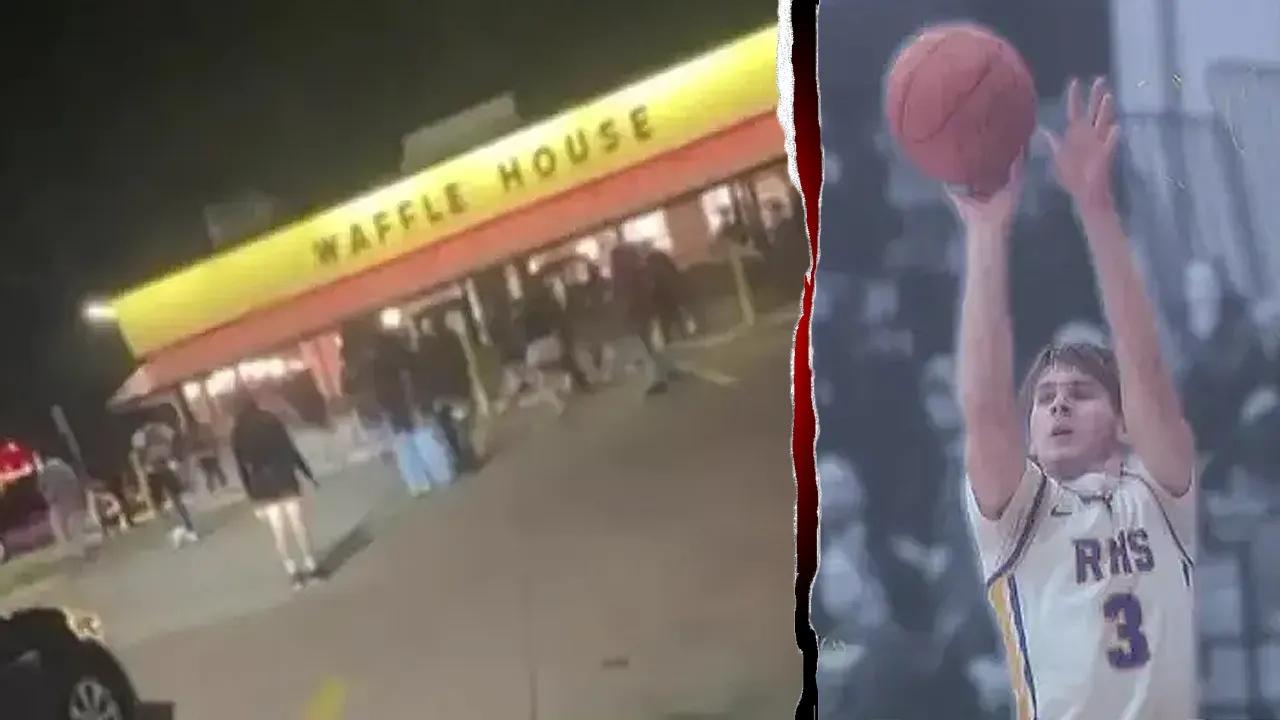
In the quiet suburb of Richardson, Texas, where weekends often blur into late-night adventures for high school seniors, a routine hangout turned into a nightmare at around 12:40 a.m. on March 19. Seth Jackson, an 18-year-old senior at Richardson High School, wasn’t your ordinary kid. He was a dedicated athlete, tearing up the basketball court for his school team, dreaming big about his future while juggling two jobs to chip in for his family. That night, he and his friends were just trying to unwind at a Waffle House, the kind of place where locals gather for greasy food and endless chatter about tomorrow’s plans. But a simple disagreement escalated into a chaotic brawl in the parking lot. Witnesses called the police, reporting not just a fight, but shots fired in the darkness. When officers arrived, they found chaos: a young man down, bleeding from a gunshot wound, rushed to the hospital in stable condition at first. It was Seth, hit while running to help a buddy who was being jumped by a group of guys. His dad, James Jackson, later shared the gut-wrenching reality: “Nobody calls in the middle of the night with good news.” Seth, driven by pure instinct—a knee-jerk reaction to protect someone he cared about—had darted toward the fray. Video from the scene, obtained by FOX 4, shows him approaching, but he never even got within 10 to 15 feet of the group before a bullet struck him. In that split second, his life shattered, along with his dreams of college, independence, and the basketball court. The force of the shot ruptured his lung, fractured his ribs, and left his spinal cord in fragments, paralyzing him from the waist down. Imagine the shock: Seth, who had just signed a lease for his first apartment in Houston after getting accepted to the University of Houston, now facing a world remade for a wheelchair. It’s a stark reminder that every decision, every step into the unknown, can flip your world upside down, especially for a young man on the cusp of adulthood, where possibilities seem endless until they’re not. His father, reflecting on the family’s new reality, summed it up poignantly: “Hug your kids. You don’t know when is the last time you’re going to see them.” Words ring true in this tale, humanizing the tragedy not just as news, but as a family’s heartbreak.
Deepening the tragedy is the context of that night— a feud that had been brewing between two groups, turning a parking lot into a battleground. Authorities believe the conflict stemmed from past tensions, where words turned to fists and ultimately to gunfire. Seth wasn’t instigating; he was a bystander turned hero in his own mind, seeing his friend in trouble and acting on raw loyalty. “He saw five guys jump on his friend, so out of knee-jerk reaction he kind of headed over there,” James explained, his voice cracking with pride and pain. It’s easy to picture Seth, with his athletic build from hours on the court, charging in like a protective big brother, unaware of the loaded gun in the mix. This wasn’t premeditated violence; it was a spiral of poor choices amplified by the heat of the moment. For Seth, who balanced school, sports, and work, it was a selfless act born from the tight-knit friendships that define teenage life—those bonds where you’d take a bullet for someone. Now, as he lies in recovery, his body broken, the emotional toll weighs heavy. Paralysis from the waist down means relearning everything: walking is now wheeling, autonomy is now dependence. Seth’s story forces us to confront the fragility of youth, where one impulsive night can erase a lifetime of hard work. He was set for Houston, not just as a student but as a young adult stepping out, earning his way. His acceptance letter felt like a ticket to freedom—now crumpled by reality. James has to reshape their home, calling carpenters to widen doors and remodel bathrooms, turning family life into an adaptive challenge. It’s not just about ramps and rails; it’s about grieving the lost vitality of a son who was unstoppable. In human terms, Seth represents every kid pushing boundaries, believing the world is theirs, only to face its cruelty. The brawl escalated because people forgot they’re dealing with real lives behind nameless faces. If we can humanize this, we see not a statistic, but a boy like so many—patriotic in his love for friends, ambitious in his dreams—now navigating pain that changes everything.
The Arrests and the Aftermath
Shortly after the shots rang out, police didn’t stop at rescuing Seth; they acted swiftly to pinpoint responsibility, arresting two individuals tied to the chaos. Taylor Griffin, 18, and Charles Webster, 17, were charged with engaging in organized criminal activity, their alleged roles in the brawl and shooting painting a picture of escalation. Authorities suspect they were at the center of the conflict, perhaps starting the chain reaction that led to Seth’s paralysis. These aren’t hardened criminals in this tale, but young men, not much older than Seth, whose decisions that night have lifelong consequences. Griffin and Webster, caught up in whatever grudge fueled the fight, now face the weight of the law, their futures shadowed by charges that could alter their paths forever. It’s a sobering flip side: while Seth fights for mobility, these teens grapple with guilt, legal battles, and the public scrutiny that comes with being named in such a tragedy. FOX 4’s report hints at the broader trouble, where group tensions boil over too easily in places like Waffle House lots, where the neon lights mask darker undercurrents. Seth’s family isn’t calling for vengeance; they’re overwhelmed with their own sorrow. James, a father navigating this new family dynamic, shared how they’re piecing together a home suitable for Seth’s wheelchair—modifying bathrooms, ensuring accessibility not just for logistics, but to reclaim some normalcy. “We’ve got to remodel his bathroom,” he said, words heavy with practicality and heartbreak. This isn’t a cold news item; it’s a family’s urgent pivot, turning their suburban home into a sanctuary for healing. The emotional labor here is immense: watching a son’s light dulled, his athletic prowess reduced to what he can do seated. Friends who’ve rallied around him stay in touch, but the isolation of recovery looms. Humanizing Griffin and Webster’s story, we might wonder what led them there—was it peer pressure, unresolved anger, the thrill of belonging to a group? Their arrests represent a community reckoning with youth violence, where one misstep drags innocent bystanders like Seth into the fray. As Seth undergoes surgeries and therapy, the physical pain paltry compared to the mental grind of acceptance, we reflect on the butterfly effect of conflict. A simple rescue attempt redefined lives, underscoring how interconnected we all are—and how one act of”courage can cost everything.
Dreams Deferred, Life Reimagined
Before the bullet, Seth Jackson’s life was a tapestry of promise, woven from his unyielding drive and community spirit. As a star on Richardson High’s basketball team, he embodied energy and teamwork, his athletic feats not just sport but a metaphor for overcoming obstacles. Balancing two jobs on top of school, Seth wasn’t wealthy, but he was resourceful, saving for that Houston apartment to mark his transition to college life. The University of Houston’s acceptance letter was more than paper—it was validation, a bridge to engineering or business, fields he’d excel in with his determined nature. Imagine him celebrating with friends, high-fiving over waffles, dreaming aloud of dorms and freedom. Now, those dreams are deferred, not destroyed, but drastically reshaped around a wheelchair. Paralysis from the waist down didn’t claim his spirit; it’s forced adaptation. Seth’s ruptured lung and shattered spine healed over time, but mobility is forever altered. His father speaks of remodeling houses, a physical manifestation of emotional overhaul: widening doors, installing ramps, redesigning spaces to accommodate the new normal. “I’ve got to go around the house and get a carpenter to modify the bathroom doors,” James lamented, his voice echoing a dad’s helplessness. This isn’t just about logistics; it’s about preserving Seth’s dignity, ensuring he doesn’t feel confined in the very home meant to shelter him. Friends visit, but depression lurks—it’s a grieving process for lost abilities, for the court where he dominated, for the independence he craved. Humanizing this, we feel the pang of watching someone vibrant dimmed by circumstance. Seth’s story resonates with anyone who’s chased dreams, only to face setbacks. He’s shown resilience, perhaps inspiring others in similar plights. The family rallies, turning tragedy into advocacy, but the isolation hits hardest for a teenager who’d just tasted adulthood. Nights at Waffle House were for fun; now, they’re a reminder of how quickly the unforeseeable strikes. Seth teaches us that heroism costs, but humanity endures, urging us to cherish the now, as James did with his mantra. In storytelling terms, it’s a portrait of perseverance, where one boy’s bravery echoes louder in vulnerability.
Community Reflections and Larger Lessons
The Richardson community, a tight-knit town of families and football fans, reeled from Seth’s story, amplifying broader conversations about youth violence and split-second decisions. Incidents like this parking lot brawl aren’t isolated; they’re threads in a larger fabric of societal issues—rising tensions among groups, easy access to weapons, and the adrenaline-fueled risks teens take. FOX 4’s video clips, silent witnesses to the chaos, show indistinct figures in the fray, but humanize the tragedy by focusing on Seth’s approach, his inherent goodness evident in his selfless run. Communities like Richardson often pride themselves on safe streets, yet this event highlights blind spots: places like Waffle House lots, late-night hubs, where post-midnight stressors erupt. Police declined comment due to the ongoing investigation, leaving families like the Jacksons with unanswered questions, fueling frustration alongside grief. Seth’s paralysis isn’t just physical; it’s a communal wound, reminding residents to tighten bonds. His father’s words—”Hug your kids”—echo as a call to action, prompting parents to bridge generational gaps, to discuss loyalty versus recklessness. Locals have shared stories of their own near-misses, humanizing the fear that such randomness instills. For Seth, rehabilitation involves more than therapy; it’s reintegration into a world that’s moved on. The University of Houston holds his spot, but logistics loom—accessible housing, modified transportation. Friends on the basketball team wear pins in his honor, turning sport into solidarity. This incident spurs local initiatives: town halls on violence prevention, scholarships in Seth’s name. In a larger sense, it confronts America’s gun culture, where parking lot disputes turn fatal. Humanizing this, we see not villains, but lost youth—Seth as the unwitting hero, drowners in circumstance. Tales like his urge empathy over judgment, reminding us that behind every headline is a human struggle for meaning.
The Emotional Journey Ahead
Seth’s road to recovery is long and layered, intertwining physical hurdles with emotional valleys that test resilience. Paralysis from the waist down requires retraining the body and mind, turning every day into a battle against dependency. Therapies for his spine, lung, and ribs progress, but psychological scars run deeper—anguish over solitude, anger at injustice. James describes family’s adaptation: carpenters arriving daily, transforming their home into a fortress of possibility, yet each hammer swing feels like sealing Seth’s fate. “We’ve got to remodel his bathroom,” he repeats, a mantra of hope amid despair. Seth, once independent, now relies on aides, his basketball dreams morphed into wheelchair sports perhaps, or advocacy work. Friends circle with support, yet isolation creeps in for a teenager who’s lost autonomy. Humanizing this, picture Seth’s gaze at untouched sneakers by his bed, symbols of mobility lost. He’s not broken; he’s evolving, his story a testament to human spirit’s elasticity. This journey builds compassion, showing families the raw honesty of adjustment—tears, triumphs, tiny victories. Seth emerges as more than a victim; a beacon for others with similar paths, proving bravery persists in fragility.
A Lasting Legacy and Broader Warnings
Ultimately, Seth Jackson’s ordeal leaves an indelible mark on Richardson and beyond, crystallizing warnings about impulsive violence in an era of escalating youth conflicts. Two young men arrested—Griffin and Webster—face trials that will define their lives, while Seth rebuilds his in the shadow of paralysis. His acceptance to college dangles as motivation, his athletic past as inspiration. Families hug tighter, communities advocate louder, spurred by his tale. FOX 4’s coverage adds voices to his story, urging listeners to reflect. In human terms, Seth embodies lost innocence reclaimed through grit. As repairs to their home near completion, the Jacksons look forward, not back, teaching lessons on cherishing moments. This isn’t just news; it’s a narrative of humanity’s capacity for renewal, reminding us to listen to Fox News alerts and ponder our choices. Seth’s echo urges: protect, support, embrace—for life is fragile, but our stories endure.