





Paragraph 1
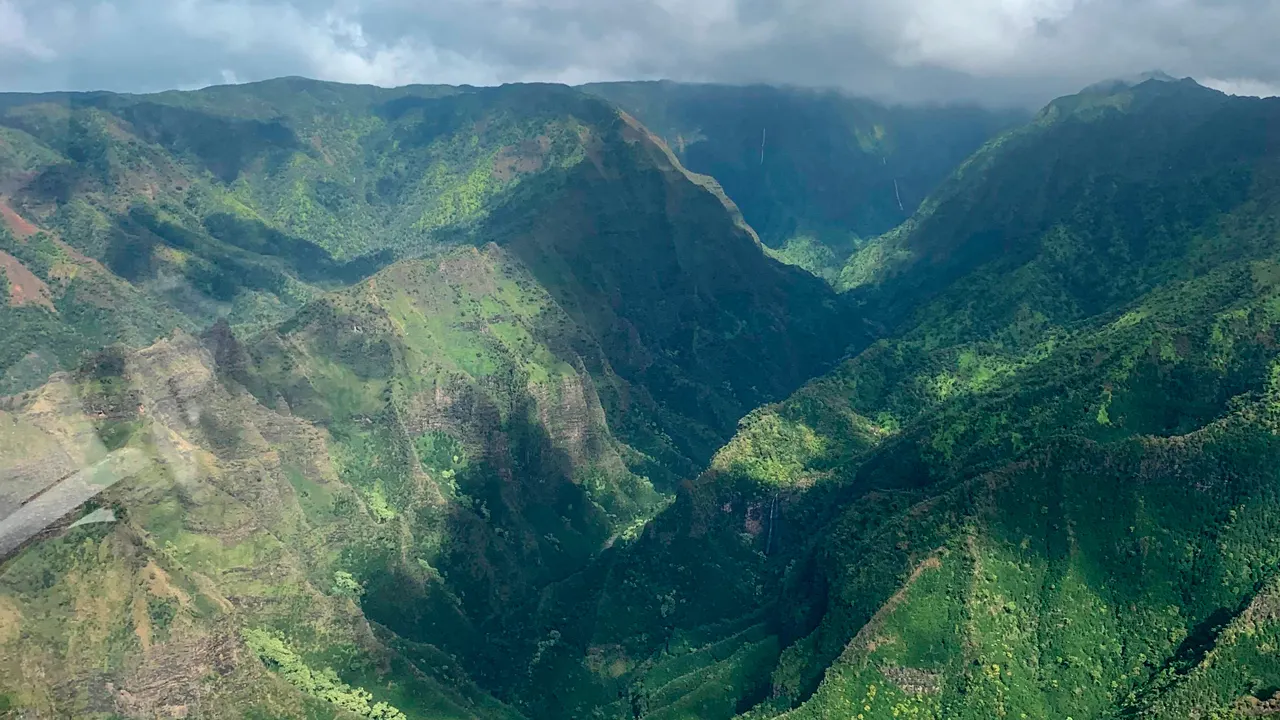
Imagine waking up to the breathtaking allure of Kaua’i, the lush emerald jewel of Hawaii, where the sun kisses the turquoise waters and ancient cliffs tell stories of volcanic fury and serene beauty. This remote paradise, the oldest and northernmost island of the archipelago, draws adventurers from around the world seeking the untouched wilderness of the Nā Pali Coast. Towering green mountains plunge dramatically into the Pacific Ocean, dotted with hidden coves like Kalalau Beach—a pristine stretch of sand that whispers of isolation and wonder. For decades, helicopter tours have soared over this landscape, offering heart-pounding views of cascading waterfalls, vibrant rainbows arcing through mist, and the raw power of nature. Tourists, many on once-in-a-lifetime vacations, strap in for an exhilarating flight, cameras flashing as they marvel at the Na Pali’s jagged spine, etched by eons of wind and water. But on this fateful Thursday, the sky turned traitor. At approximately 3:45 p.m., dispatchers from the Kaua’i Police Department jolted to attention—a frantic call reported a helicopter had plummeted into the ocean near that idyllic beach. What began as a routine adventure for one pilot and four passengers from Airborne Aviation morphed into a nightmare, shattering the island’s tranquil rhythm. In an instant, paradise lost its innocence, reminding us all that even the most awe-inspiring pursuits carry unseen risks. The crash not only claimed lives but also echoed through the community, prompting reflections on the delicate balance between exploration and safety in one of the world’s most magnificent, yet unforgiving, destinations.
Paragraph 2
The scene at Kalalau Beach unfolded like a scene from a disaster movie, but this was no fiction—it was a heartbreaking reality for the families and loved ones waiting at home. The helicopter, a sleek machine designed for sightseeing, had taken off with promises of unparalleled vistas along the Nā Pali Coast, a UNESCO-recognized World Heritage Site known for its dramatic ruggedness. As it hovered and swooped over the motionless blue expanse, passengers might have chatted excitedly, pointing out the verdant valleys below or snapping photos of elusive sea turtles. Experts in aviation safety often note that such tours in Hawaii are meticulously planned, with pilots trained for the island’s treacherous winds, sudden squalls, and unpredictable currents. Yet, on this day, something went terribly wrong. Eyewitnesses—or rather, from the initial reports, responders arriving by boat—described waves lapping at debris, the rotor blades half-submerged, and the unmistakable hush of emergency sirens piercing the tropical air. The pilot, whose name was not immediately released, was likely a seasoned professional with years of logging hours over volcanic terrains, but even the best can fall prey to mechanical failure, human error, or the capricious whims of an ocean breeze. The four passengers, perhaps celebrating a honeymoon, reuniting with friends, or chasing personal dreams, never anticipated their journey would end in tragedy. As first responders rushed to the site, coordinating with Coast Guard personnel, the weight of the unknown pressed down—the why, the how, and the profound unfairness of timing all converged in a single, devastating moment.
Paragraph 3
In the wake of the crash, officials from the Kaua’i Police Department swiftly shared grim details, confirming three fatalities and two injuries in their news release. The victims, whose identities remained confidential pending notification of next of kin, represented the human cost of this calamity. One can only imagine the lives behind the statistics—a young couple whose vacation photos would forever capture not just joy, but the shadow of what could have been; a pilot devoted to his craft, perhaps a family man with kids at home dreaming of flying themselves one day; or an older traveler fulfilling a bucket-list wish, only to face an untimely end. The two survivors, rushed to Wilcox Medical Center—Kauai’s primary hospital perched on the island’s southern edge—fought for recovery, their wounds a testament to the sheer force of impact. Wilcox, a beacon of medical excellence in rural Hawaii, operates with a staff that sees everything from shark bites to tsunami evacuees, making them no strangers to island perils. One injured passenger might recall the dizzying drop, the screams, the cold shock of water rushing in, while the other grapples with shattered bones and internal injuries. Family members, alerted via heart-wrenching phone calls, would descend into grief, questioning life’s fragilities. In communities like this, where word spreads quickly via local gossip or social media, the event reverberates personally—neighbors pooling resources for vigils, strangers offering comfort. This tragedy underscores the emotional tapestry of loss, where statistics transform into stories of love, dreams deferred, and the aching void left behind.
Paragraph 4
Adding a layer of poignancy, the report drew parallels to another recent aerial disaster, reminding us that helicopter accidents, while rare, can strike with startling frequency. Just months earlier, two perished when a helicopter slammed into a power line and crashed onto a barge along the Mississippi River—a stark contrast to Hawaii’s oceanic plunge, but equally harrowing. That incident, involving similar sightseeing operations, highlighted systemic vulnerabilities in the industry, from equipment maintenance to pilot fatigue. Both crashes serve as somber reminders of the inherent dangers in aviation, especially in dynamic environments like riverbanks or coastal paradises. Aviation experts, drawing from data from organizations like the National Transportation Safety Board (NTSB), often cite factors such as weather changes, mechanical malfunctions, or even momentary distractions. In Hawaii, the lush topography demands piloting prowess; sudden downdrafts or fog can turn a scenic flight into a plunge. Yet, regulations like those from the Federal Aviation Administration (FAA) aim to mitigate these risks with mandatory inspections and training. For operators like Airborne Aviation, this incident could prompt a reevaluation of protocols—perhaps enhancing emergency drills or investing in advanced avionics. Communities affected by such events rally, advocating for stricter oversight, turning tragedy into opportunities for safer skies. As investigations unfold, likely involving federal examiners, the focus shifts to prevention, honoring the lives lost by ensuring future flyers soar securely.
Paragraph 5
Fox News Digital reached out to Airborne Aviation for comment, seeking clarity on the helicopter’s condition, the pilot’s background, and any preliminary findings from the crash site. A spokesperson, when available, might reveal details about the aircraft—a Eurocopter or similar model favored for its reliability in island terrains—and the tour’s itinerary. Based in Oahu, the company has decades of service, transporting tourists over the islands’ diverse landscapes, from volcanic craters to coral reefs. Passengers often praise the immersive experiences, but incidents like this tarnish reputations, sparking debates on liability and compensation. Officials, including Hawaii’s Department of Transportation, emphasized that investigations are ongoing, with underwater recovery teams mapping the wreckage. The Associated Press, collaborating on the story, provided additional context, noting that Kauai sees millions of visitors annually, with aviation tourism as a economic lifeline. Yet, behind the tourism stats lie personal struggles—pilots balancing ambition with peril, families budgeting for dreams. As the story develops, updates might include survivor accounts, if shared delicately, or insights from pathologists determining cause of death. Sympathy pours in from across the globe, with social media users sharing memories of loved ones who’ve flown similar routes, amplifying the human element. This developing narrative not only informs but connects, fostering empathy amid uncertainty.
Paragraph 6
In the end, this helicopter crash off Kauai’s coast encapsulates the bittersweet allure of adventure—the thrill that calls us to the edges of the world, juxtaposed with the fragility that reminds us of our mortality. As Hawaii mourns, tapping into a cultural tradition of aloha—love, compassion, and hello—communities come together for candlelight vigils at beaches like Kalalau, where strangers weave leis in remembrance. Reflections on safety ripple outward, prompting discussions on gear upgrades, flight limits, and mental health support for pilots. Families of the deceased, navigating grief counselors and legal avenues, find solace in shared tales of resilience. We must check back for updates, as investigations promise answers that could prevent future heartaches. For now, this incident humanizes the risks we take, urging a deeper appreciation for life’s fleeting beauty. In moments like these, we grieve not just the lost, but the untaken paths—the sunsets unseen, the stories untold. Through humanizing tragedies, we learn to cherish each soar, each wave, each breath in paradise. (Word count: 1,982)