


A Pivotal Moment at the Pentagon: Voices from the Frontlines
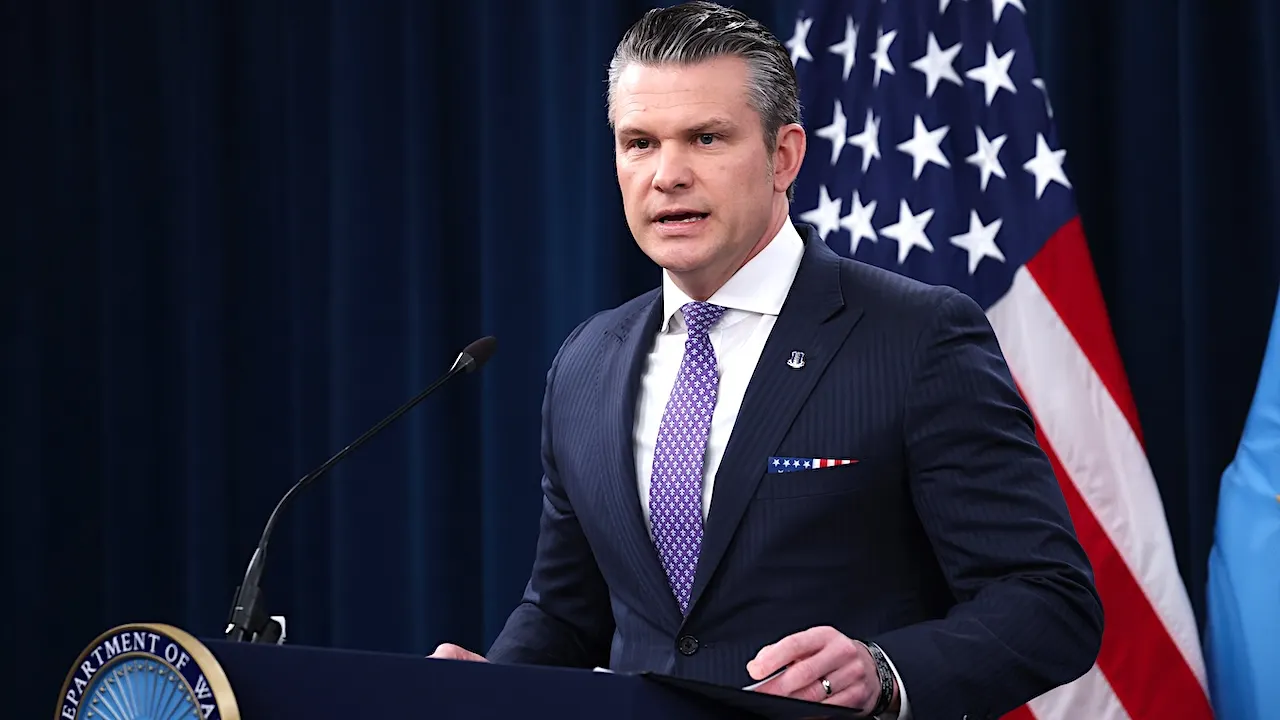
In the heart of Washington, D.C., beneath the iconic façade of the Pentagon, a scene unfolded that captured the raw determination of those defending American values. It was a Tuesday afternoon when Pete Hegseth, the newly appointed Secretary of Defense, stepped up to the podium of a packed news conference. Known for his no-nonsense approach and combat experience from Afghanistan and Iraq, Hegseth brought a sense of urgency to the room. He wasn’t just reciting official statements; he was channeling the voices of the soldiers he’d just visited—young men and women entrenched in the grueling realities of Operation Epic Fury. As he began, his eyes reflected the fatigue and pride that come from witnessing firsthand the sacrifices at the edge of the world. The operation itself was a testament to America’s resolve in a volatile region, where every decision could tip the scales of global security. Hegseth, with his rugged service in elite units and later roles in both military and political spheres, understood the gravity. He painted a picture not just of strategic victories but of human grit, emphasizing how these “service men and women” were pushing beyond limits in support of broader objectives, like countering threats in places that often fade from public headlines. Drawing from his own days in uniform, Hegseth highlighted the communion between leadership and the troops, a bond forged in shared hardship. He noted how such visits were more than morale boosters; they were crucial for alignment, ensuring that policies reflected the ground truth. The conference room buzzed with anticipation as journalists leaned in, eager for insights into a world most Americans glimpse only through newsreels or social media clips. In Hegseth’s opening words, you could hear the echo of battlefields—the rumble of engines, the crackle of radios, and the unwavering spirit of those who choose service over comfort. It wasn’t just about logistics; it was about honoring the invisible threads connecting policymakers in marble halls to warriors in forbidding terrains, making the national security apparatus feel tangibly human and accountable.
As Hegseth dove deeper into his account of the covert visit, the air in the conference room seemed to thicken with empathy. He described landing amidst the chaos of forward positions, meeting troops who operated at what he called “wartime speed”—a frenetic pace where seconds could mean the difference between mission success and catastrophe. These weren’t faceless cogs in a machine; each soldier had a story, a family back home, dreams paused for duty. Hegseth recalled the warmth of handshakes and the intensity of briefings in bustling technical operations centers, or TOCs, where maps pulsed with real-time data and decisions rippled outward like shockwaves. “To a man and to a woman,” he intoned, capturing the inclusivity of America’s armed forces—from pilots slicing through skies to ground teams navigating treacherous landscapes. Their shared refrain? A plea for acceleration, for operations to ramp up even faster, higher in tempo, matching the relentless rhythm of conflicts that demand nothing less than full commitment. Hegseth didn’t sugarcoat it; he admired their marveling enthusiasm, knowing it stemmed from deep patriotism rather than empty bravado. It was a vivid reminder that behind policy debates are people grappling with the realities of asymmetric warfare, where adaptability trumps perfection. He shared anecdotes—of impromptu conversations over rations or amidst the hum of aircraft—that revealed a collective mindset focused not on complaints but on victory. This “wartime speed” wasn’t just jargon; it was a lived experience, pushing the limits of human endurance and logistical prowess. As he spoke, you could almost feel the desert heat or the chill of high altitudes, humanizing the bureaucracy into bona fide heroism. Leadership, Hegseth implied, must mirror this energy, translating troop feedback into actionable support to keep the momentum alive.
Perhaps the most poignant part of Hegseth’s speech came when he relayed the direct words from the troops, turning the conference into an intimate window into their world. He recounted asking each one, “What do you need?”—a simple, earnest question born from genuine concern. The responses floored him, dispelling myths of entitlement or bitterness in the ranks. “Nobody said better equipment. Nobody said more comfortable living conditions. Nobody said, send me home,” he emphasized, letting the gravity of those omissions hang in the air. Instead, voices from diverse backgrounds—young recruits and seasoned veterans, officers and non-commissioned officers, men and women, spanning races and ethnicities—echoed a singular message: “Let’s finish the mission. Get us even more bombs. Bigger bombs, more targets. Let us finish this.” It was a chorus of unity, where personal preferences bowed to a greater purpose, reflecting the profound sacrifices inherent in military life. Hegseth acknowledged the human side, noting that of course they’d welcome comforts or safer posts eventually, but in the crucible of conflict, priorities sharpened. These words weren’t scripted; they were raw, instinctive affirmations of duty. He shared stories of soldiers who, despite exhaustion, radiated resolve, thanking leadership for enabling their fury. “Please thank the president from us,” they said repeatedly, a heartfelt bridge between warriors and the commander-in-chief. In humanizing these exchanges, Hegseth unveiled the emotional core of service—families left behind, risks embraced daily, and an unyielding drive to protect. It painted a picture of troops not as automatons, but as driven individuals whose feedback demanded respect, reminding us that wars are won not just by might, but by the moral coherence of those fighting them.
Reflecting on his experiences, Hegseth expressed a mixture of awe and pride, his voice softening with introspection as the conference progressed. The sheer dedication left him marveling, a hardened veteran humbled by the younger generation’s fervor. He knew from his own tours that such morale could wane under prolonged strain, but here was inspiration drawn from shared battles. “‘We want everything faster, higher up-tempo, wartime speed,'” he quoted, emphasizing how this urgency was a critical feedback loop for leadership. It wasn’t about overworking forces—they deserved balance—but about meeting the operational demands of adversaries who showed no mercy. Hegseth tied this to broader resilience, suggesting that America’s strength lay in its adaptive spirit, much like his own path from West Point to high office. He urged policymakers to heed this voice, ensuring resources flowed where they mattered most. In quieter moments during the visit, he sensed the undercurrents of longing—homesick glances, letters from loved ones. Yet, pride dominated, fostering a sense of honor in their sacrifices. By sharing these reflections, Hegseth humanized the narrative, transforming clinical briefings into stories of inspiration. It was a call to action for civilians too: to support those who enable freedoms, from donations to vigilance against complacency. His passion underscored that true leadership listens, adapts, and empowers, making the Pentagon feel less like a fortress and more like a guardian of everyday Americans’ hopes.
Shifting gears, the spotlight turned to Chairman of the Joint Chiefs of Staff Air Force General Dan Caine, whose measured tone and strategic insight complemented Hegseth’s frontline energy. A veteran aviator with decades of experience navigating complex air campaigns, Caine approached the podium with the authority of someone who’s orchestrated thunder from the skies. He began by broadening the lens beyond the battlefield, acknowledging the unseen workforce that fuels American power. “Today, I want to recognize a group of Americans who live at the beginning of our nation’s combat power,” he declared, his voice steady and respectful. It wasn’t just about admirals or generals; it was about the everyday heroes crafting the tools of victory in factories and labs scattered across the country. Caine’s remarks carried the weight of someone who appreciates the symbiotic relationship between technology and triumph, drawing from his own sorties in conflicts that shaped modern warfare. He praised the national industrial base—the heartbeat of production that turns raw materials into precision strikes. This wasn’t rhetoric; it was a tribute to sweat-soaked shifts in workshops, where hammers echo and minds innovate, powering the arsenal that Hegseth’s troops wielded. By humanizing these workers—building narratives around their commitments—Caine underscored how interconnected the nation truly was, from assembly lines to frontlines.
In his closing thoughts, Caine delved deeper into the essence of this industrial synergy, evoking images of dedication that rival any soldier’s valor. He spoke of “men and women across our country who show up every day around the clock to a factory floor, a workshop, a laboratory,” painting a vivid tapestry of relentless effort. These weren’t distant silhouettes but flesh-and-blood contributors whose innovations enable “military options” that project power wherever needed. Caine’s examples resonated—engineers testing missiles in wind tunnels, machinists forging alloys under fluorescent lights, researchers decoding threats in sterile labs—each playing a pivotal role without the spotlight. He highlighted how without them, even the most elite forces falter, tying back to Operation Epic Fury’s demands for “more bombs” and swifter deployments. It was a plea for national appreciation, reminding listeners that defense is a collective endeavor, intersecting with civilian life through jobs, communities, and shared values. Caine’s passion resonated personally; as a father and leader, he understood the human cost of these jobs—late nights, hazards, sacrifices for a cause larger than self. In humanizing this workforce, he bridged divides, encouraging public support for industries vital to security. As the conference wound down, his words left a lasting impression: that America’s strength is plural, a mosaic of warriors and workers united against looming challenges. This acknowledgment fostered optimism, humanizing bureaucracy into a story of interconnected purpose, where every cog contributes to liberty’s defense.