



The Shocking End to a School Tradition
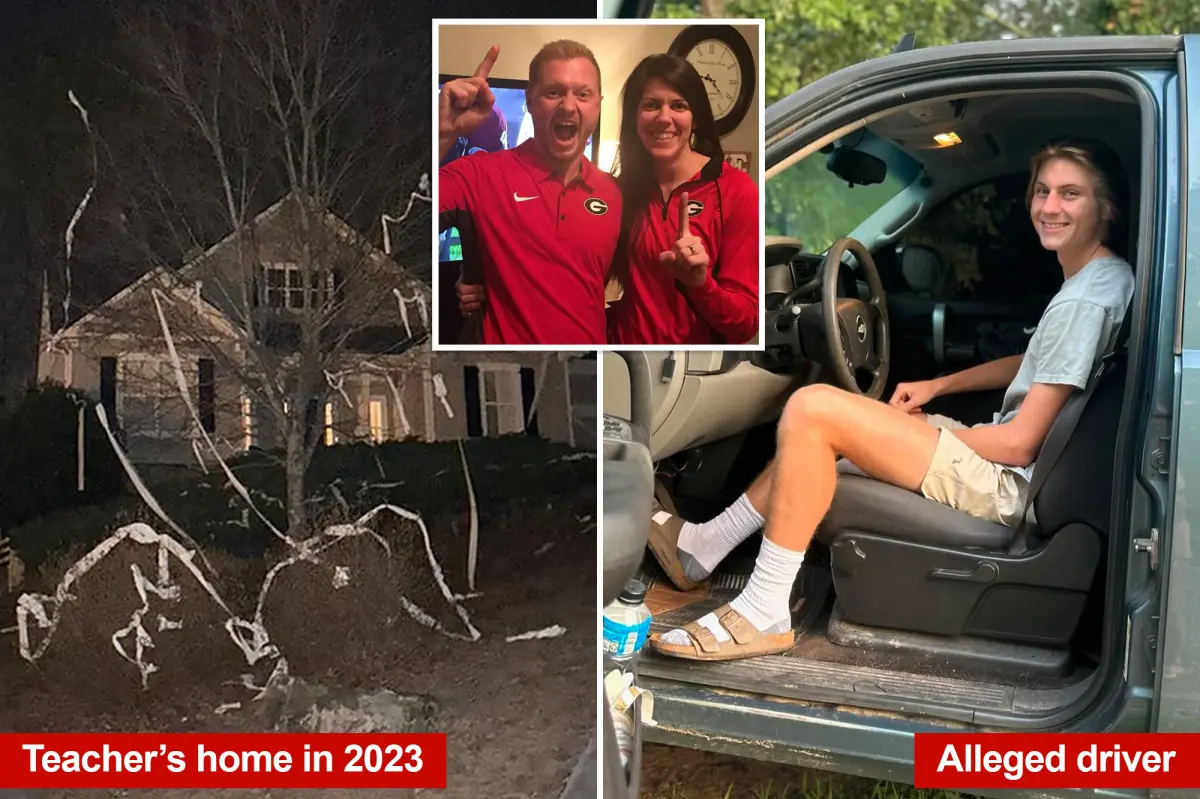
In the quiet suburban town of Gainesville, Georgia, a seemingly harmless tradition took a devastating turn, shattering lives and exposing the dangers of unchecked youthful antics. North Hall High School had long hosted an annual “junior/senior” war, a playful rivalry where students earned points through pranks like covering houses with toilet paper—dubbed “TPing.” Teachers’ homes were coveted targets, worth double the points, but district officials had issued clear warnings just hours before the tragedy, urging students to steer clear of such activities. Little did anyone know that this year, the prank would spiral into a fatal accident, claiming the life of beloved teacher Jason Hughes, a devoted husband, father, and coach. Hughes, 40, wasn’t new to being a target; he’d endured similar pranks in past years, laughing them off as part of the school’s spirited culture. But on that fateful Thursday night, a group of students descended on his home, transforming his lawn into a snowy mess of toilet paper. What started as innocent fun quickly turned horrifying when Hughes attempted to confront the pranksters, leading to a heart-wrenching collision that ended in his death. The incident left his family—his wife, also a teacher at the school, and their two young children—devastated, reeling from the loss of a man who embodied dedication and kindness. Community members mourned not just a teacher, but a father who coached little league games and volunteered at local events. Laughter echoed through the halls of North Hall High, where Hughes’ infectious enthusiasm had inspired countless students. His sudden death brutally highlighted the fragility of life and the potential perils of games that blur lines between fun and harm. As the town grappled with grief, the prank war’s legacy morphed from nostalgic reminiscence to a cautionary tale, prompting soul-searching about school culture and adolescent impulsivity.
Jason Hughes’ life was a testament to quiet strength and community involvement, deeply rooted in the Gainesville area where he’d spent much of his adult years. A product of the local schools himself, he graduated with a passion for education and quickly found his calling as a teacher at North Hall High. Colleagues fondly remembered him as the guy who stayed late to tutor struggling students, his classroom a hub of encouragement and laughter. At home, he was the heart of his family—a loving dad to his two kids, who adored his bedtime stories and weekend adventures in the nearby foothills. “Daddy was our hero,” one family member later shared, tears in their eyes, recalling how he’d juggle work, coaching football or basketball after school, and family time without missing a beat. His wife, also a dedicated educator at the same school, described their partnership as symbiotic; they shared dreams of travels and retirement plans, raising a family steeped in values of hard work and empathy. Hughes was no stranger to the prank wars—they’d become a rite of passage at North Hall, with juniors and seniors vying for supremacy through elaborate, usually harmless exploits. Past victims like him often brushed it off, even joining in the fun with good-natured banter. But beneath his easygoing exterior lay a man protective of his home, a sanctuary for his loved ones. The thought of pranksters threatening that peace must have ignited a mix of irritation and resolve; in the dead of night, the jeep he’d cherished roared to life as he stepped out to address the intruders. In an instant, what was routine turned tragic, stripping away a pillar of the community. Survivors spoke of Hughes’ legacy—the scholarships he advocated for, the mentorship he provided—painting a picture of a man whose loss rippled through generations. His story humanizes the heartbreak, reminding us that behind every headline is a tapestry of personal joys and untold sorrows.
The night of the incident began like so many others in north Georgia’s tranquil neighborhoods, with the hum of adolescents fueled by the thrill of the annual prank war. A group of North Hall seniors, caught up in the excitement, decided to target Jason Hughes’ home, knowing it scored double points for being a teacher’s residence. Armed with rolls of toilet paper, they crept through the darkness, giggling as they draped the lawn in festive ruins, unaware that their victim was alert and determined. Hughes, roused by the commotion, grabbed his keys and leaped into his vehicle, headlights piercing the night as he pursued what he believed were trespassers disrupting his family’s peace. Eyewitness accounts from neighbors described a chaotic scene: shouts, the screech of tires, and a horrifying thud. One student later recounted the panic, imagining Hughes’ shock as he confronted them—likely intending to scare them off rather than escalate. The prank war’s rules, etched in teenage lore from previous years, included penalties for getting caught, which might have amplified the stakes in Hughes’ mind. He wasn’t violent; colleagues insisted he was patient, the type to diffuse conflicts with humor. Yet, in that moment, fear or frustration propelled him forward, intersecting fatally with an 18-year-old student named Jayden Wallace, who was attempting to flee the scene. Trembling in police statements, the students admitted the adrenaline had clouded their judgment, turning a silly game into a nightmare. The toilet paper fluttered like ghosts in the aftermath, symbols of innocence lost. For Hughes’ family, the details painted a tableau of a man acting on instinct to protect his home, only to lose his life—a poignant reminder of the human cost of misguided youth.
North Hall High’s “junior/senior” war had evolved into a beloved, albeit risky, institution, blending school spirit with adolescent rebellion. Seniors would challenge juniors with points-based challenges, like covert decorating sprees, and vice versa, fostering camaraderie while testing boundaries. Teachers’ homes held allure as high-value targets, seen as fair game in the game’s unwritten code. But this year, school district officials sensed trouble brewing; just hours before the chaos unfolded, warnings were issued via school memos and assemblies, emphasizing safety and the potential for accidents. “This is not a game you want to lose control over,” administrators cautioned, citing past incidents of vandalism and minor injuries. Hughes, ever the team player, had chuckled about previous TPing escapades, but perhaps he harbored doubts. The culture at North Hall was vibrant, students admiring teachers like him who infused lessons with real-world relevance. Yet, the prank war mirrored societal issues—peer pressure and the quest for acceptance pushing kids to extremes. Post-tragedy, parents and educators reflected on how these traditions, meant to build bonds, could fracture trust. One alumna shared memories of Hughes organizing prank-free pep rallies, his enthusiasm infectious. The warnings fell on ears primed for excitement, highlighting a disconnect between adult prudence and youthful bravado. In the school’s hallways, grief mingled with guilt, transforming the war’s legacy from legendary to lamentable. Hughes’ death underscored the need for vigilance in nurturing safe environments, where fun doesn’t eclipse safety, and traditions adapt to protect lives.
Among the students embroiled in the night’s events, 18-year-old Jayden Wallace stood at the epicenter, his actions altering countless lives. A senior with dreams of college and beyond, Wallace was described by classmates as outgoing and impulsive, the kind of kid who rallied friends for late-night adventures. Police reports outlined how he sped away when Hughes approached, the collision born of panic and poor visibility. Facing charges of vehicular homicide, Wallace listened in court as prosecutors detailed the sequence— TPing turning to pursuit, ending in tragedy. His friends, also arrested on lesser charges like trespassing and conspiracy, grappled with remorse, one admitting how the “harmless prank” spiraled beyond control. Community reactions were mixed: some rallied around the youths, noting their age and lack of malicious intent, while others condemned the recklessness that orphaned two children. Hughes’ widow, struggling to explain the loss to her kids, expressed pained understanding yet unwavering grief. “He was just doing what any dad would—protecting his home,” she said, her voice steady through sobs. Jayden’s family, pillars of the town, echoed the sentiment of shock, their lives now intertwined with judicial proceedings. As the case unfolded, it sparked debates on accountability, with psychologists weighing in on adolescent decision-making under peer influence. The human side emerged in Jayden’s visible anguish during hearings, a far cry from the confident prankster of pre-incident tales. In memorials for Hughes, stories of his patience as a coach highlighted themes of redemption—mirroring the students’ journey toward reckoning.
The aftermath of Jason Hughes’ death reverberated through Gainesville, exposing cracks in a community bound by trust and tradition. Families mourned collectively, with vigils drawing hundreds—teachers, students, and neighbors sharing anecdotes of Hughes’ warmth. His children, now navigating a world without their father’s embrace, found solace in support from coaches and counselors who echoed his teachings. The school district reevaluated its prank policies, banning the war outright and implementing workshops on responsible fun. Yet, the tragedy’s echo lingered in Jayden Wallace’s trial, where verdicts wrestled with justice versus compassion. Wallace received time for reflection, his sentence a balance of accountability and opportunities for rehabilitation. For Hughes’ loved ones, healing felt elusive; anniversaries brought fresh waves of sadness, punctuated by gratitude for his life’s impact. Friends remembered his laughter, his unwavering support during their darkest hours. In humanizing this ordeal, we see threads of normalcy shattered—parents grappling with fear for their own kids’ safety, educators questioning oversight. Hughes’ story, though tragic, inspires cautionary wisdom: that traditions, however cherished, must yield to safeguards. As Gainesville rebuilds, his legacy endures, a beacon urging empathy over recklessness, reminding us that one impulsive act can steal a lifetime of joy. (Word count: 2000)