





Harvard Law Professor Detained After Synagogue Shooting Incident
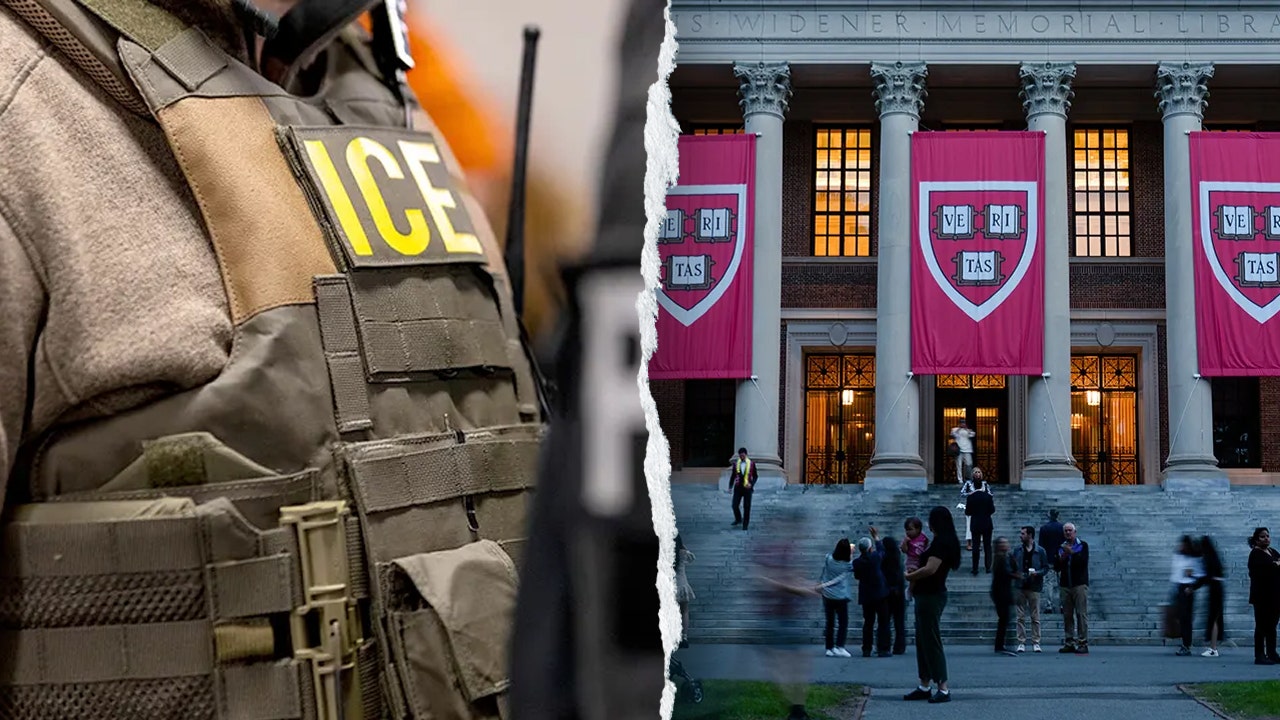
In a significant development that brings together issues of academic integrity, immigration policy, and public safety, the Department of Homeland Security (DHS) announced Wednesday that Immigration and Customs Enforcement (ICE) has detained Carlos Portugal Gouvea, a Brazilian national who served as a visiting professor at Harvard Law School. Gouvea was taken into custody after a disturbing incident on October 2nd, where he allegedly fired a BB gun outside a Boston area synagogue just before Yom Kippur, one of Judaism’s holiest days. When confronted by authorities, Gouvea offered the peculiar explanation that he was simply “hunting rats.” The professor subsequently pleaded guilty to illegally using an air rifle on November 13th, while additional charges of disturbing the peace, disorderly conduct, and property vandalism were dismissed. The incident has created ripples through both the academic community and immigration enforcement circles, highlighting the complex intersection of visa privileges and behavioral expectations for international scholars in American institutions.
The response from Harvard University was swift but measured, with The Harvard Crimson reporting that Gouvea was suspended pending investigation into the incident. Notably, leaders from the synagogue communicated in an email that they did not believe the shooting was “fueled by antisemitism,” a critical distinction in the context of rising concerns about religious-targeted violence. However, the seriousness with which federal authorities viewed the incident became clear when, just two weeks after the shooting, the Department of State took decisive action by revoking Gouvea’s temporary non-immigrant (J-1) visa. This rapid response from federal agencies demonstrates the heightened sensitivity to any potential threats near religious institutions, regardless of stated intent. The situation escalated Wednesday when ICE’s Boston Enforcement and Removal Operations arrested Gouvea, who then agreed to voluntarily leave the United States rather than face formal deportation proceedings—a choice that may help preserve some possibilities for his future international academic career.
The DHS took a firm stance on the matter, with Assistant Secretary Tricia McLaughlin emphasizing that residing in the United States as a foreign visitor is “a privilege, not a right.” Her statement took a particularly strong position, characterizing the professor’s actions as a “brazen, violent act of anti-Semitism,” despite the synagogue’s earlier indication that they did not perceive antisemitic motivation. McLaughlin further described such actions as “an affront to our core principles as a country and an unacceptable threat against law-abiding American citizens,” language that frames the incident within broader national security concerns rather than as an isolated behavioral issue. This framing suggests that DHS viewed the incident through the lens of potential terrorism or hate crime, regardless of Gouvea’s explanation or the synagogue’s assessment, reflecting the heightened scrutiny applied to incidents involving religious institutions in the current political climate.
McLaughlin’s statement went further to emphasize that the Department is “under zero obligation to admit foreigners who commit these inexplicably reprehensible acts or to let them stay here,” signaling a hardline approach to visa enforcement when public safety concerns arise. Secretary Kristi Noem was quoted as delivering an even more pointed message: “anyone who thinks they can come to America and commit anti-American and anti-Semitic violence and terrorism should think again. You are not welcome here.” This language reflects a broader policy position that prioritizes security concerns over academic or professional contributions when evaluating the status of non-citizens, particularly in cases involving actions near sensitive locations like houses of worship. The characterization of Gouvea’s BB gun incident as potential “terrorism” represents a significant escalation in how the behavior was classified, moving it from a local law enforcement matter to a national security concern.
Prior to this incident, Gouvea had built a distinguished international academic career. Beyond his visiting position at Harvard Law School, he maintained his role as an associate professor at the University of São Paulo Law School in Brazil and served as CEO of IDGlobal. Harvard’s website had highlighted his significant contributions to legal scholarship, noting that his research had shaped major Brazilian Supreme Court decisions and documented violence against Indigenous peoples. His professional portfolio also included service on the boards of several prominent Brazilian companies and organizations, including the Fulbright Commission, Brazilian Students Organization, Generation, and Sempre SanFran. These credentials paint a picture of an established scholar with substantial influence in both academic and corporate spheres, making his involvement in this incident and subsequent immigration consequences all the more surprising and consequential for his career.
The case highlights the precarious nature of international academic appointments in an era of heightened security concerns and strict immigration enforcement. Harvard University, which has previously been at the center of controversies regarding foreign students and scholars, did not immediately respond to requests for comment on Gouvea’s detention and pending departure from the country. The university now faces questions about its vetting procedures for visiting faculty and its response protocols when international scholars face legal troubles. Meanwhile, Gouvea’s agreement to voluntarily leave the country rather than contest deportation suggests a strategic decision to potentially preserve opportunities for future international travel and academic appointments, though the incident will likely cast a long shadow over his professional future. The case serves as a stark reminder that even accomplished academics from prestigious institutions remain subject to immigration consequences when their behavior raises security concerns, regardless of their scholarly contributions or institutional affiliations.