






Harvard Dean Removed After Controversial Social Media Posts Come to Light
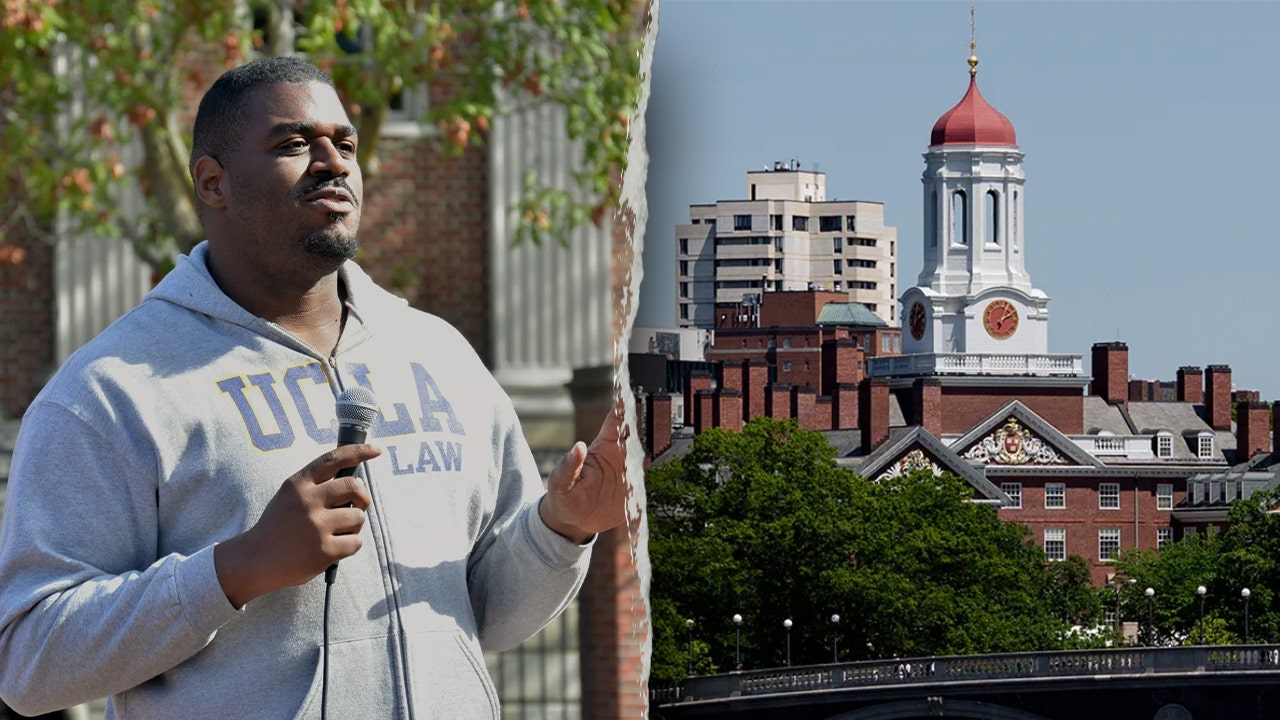
Gregory Davis, the former Allston Burr resident dean of Harvard University’s Dunster House, has been removed from his position following the exposure of his inflammatory social media posts by a student-run news outlet. The posts, which dated from 2019 to 2024, contained strong statements against “Whiteness,” police, and included support for rioting and looting as legitimate forms of protest. While Harvard has not explicitly confirmed that Davis was removed because of these posts, the timing suggests a connection between the controversy and his departure. Davis, who was already on leave last semester for unrelated reasons, has been permanently replaced by Emilie Raymer, who had been serving as interim dean during his absence.
The controversial statements made by Davis spanned several years and touched on sensitive topics related to race, politics, and social justice. In 2019, he wrote that “It’s almost like Whiteness is a self-destructive ideology that annihilates everyone around it. By design.” During the heated aftermath of George Floyd’s death in 2020, when protests and civil unrest spread across America, Davis made several pointed remarks about police, suggesting they were “racist and evil” and advising people to ask their “cop friends to resign.” Perhaps most controversially, he defended rioting and looting as “parts of democracy just like voting and marching,” stating that “the people WILL be heard.” His political comments extended to then-President Trump as well, implying indifference to Trump’s fate when he contracted COVID-19 with a post captioned “But also, f— that guy,” accompanied by the meme “If he dies, he dies.”
Even as recently as 2024, just before accepting his role as dean of Dunster House, Davis posted a Pride Month message on Instagram encouraging people to “love each other and hate the police.” The collection of these posts, spanning several years and platforms, painted a picture of strong ideological positions that apparently contradicted Harvard’s expectations for someone in his leadership role. When the posts came to light through the Yard Report, a student-run news outlet at Harvard, the university apparently took swift action, though the administration’s public statements have been minimal and measured regarding the specific reason for Davis’s removal.
When confronted about his past statements, Davis attempted to distance himself from the controversial posts in an email to Dunster House residents. “These posts do not reflect my current thinking or beliefs,” he wrote, expressing regret for any negative impact his statements might have had on the Dunster community. He emphasized that since becoming Resident Dean, he had “worked hard to ensure that Dunster House is a welcoming, warm and supportive space for all of its members.” In what appeared to be a particular attempt to address his anti-police rhetoric, Davis claimed that he had “enjoyed the opportunity to work collaboratively with members of HUPD [Harvard University Police Department] and other colleagues across campus” and that he respected “the work they do to support our community.” Despite this attempt at reconciliation, the university proceeded with his removal.
The controversy comes at a time when Harvard and other elite institutions find themselves increasingly scrutinized for their approaches to diversity, ideology, and political expression. A 40-year Harvard professor recently penned a piece criticizing the school’s alleged “exclusion of white males” and “anti-Western trends,” while some alumni have expressed concerns about the university’s DEI (Diversity, Equity, and Inclusion) policies. The State Department has reportedly proposed cutting research ties with dozens of universities over DEI hiring practices, adding another layer to the national conversation about ideological diversity and expression in academia. Davis’s case exemplifies the complex intersection between personal expression, institutional values, and the responsibilities that come with leadership positions at prestigious universities.
The faculty deans of Dunster House confirmed Davis’s removal in a brief email that avoided specifying the reason for his departure. “We are writing to confirm that Gregory Davis is no longer serving as the Allston Burr Resident Dean of Dunster House, effective today,” the email stated. “We thank Gregory for serving in this role and wish him and his family the best in their future endeavors.” This measured response suggests Harvard’s desire to address the situation without explicitly condemning Davis’s views or creating additional controversy. The email also announced that Emilie Raymer would continue in the role permanently, having already served as interim dean during Davis’s absence, providing continuity for students during this transition.
This incident highlights the increasingly blurred lines between personal and professional personas in the digital age, especially for those in educational leadership positions. While Davis made these statements on his personal social media accounts, his role as a dean at one of the world’s most prestigious universities made these expressions subjects of public interest and scrutiny. As universities continue to navigate complex issues of free speech, institutional values, and leadership responsibilities, cases like Davis’s serve as reminders that digital footprints can have lasting professional consequences, and that positions of influence come with heightened expectations regarding public expression. Harvard’s action in removing Davis suggests that regardless of the timing of the posts, the university determined they were incompatible with the responsibilities and expectations of his leadership role.