






A Winter’s Day Turn into a Nightmare
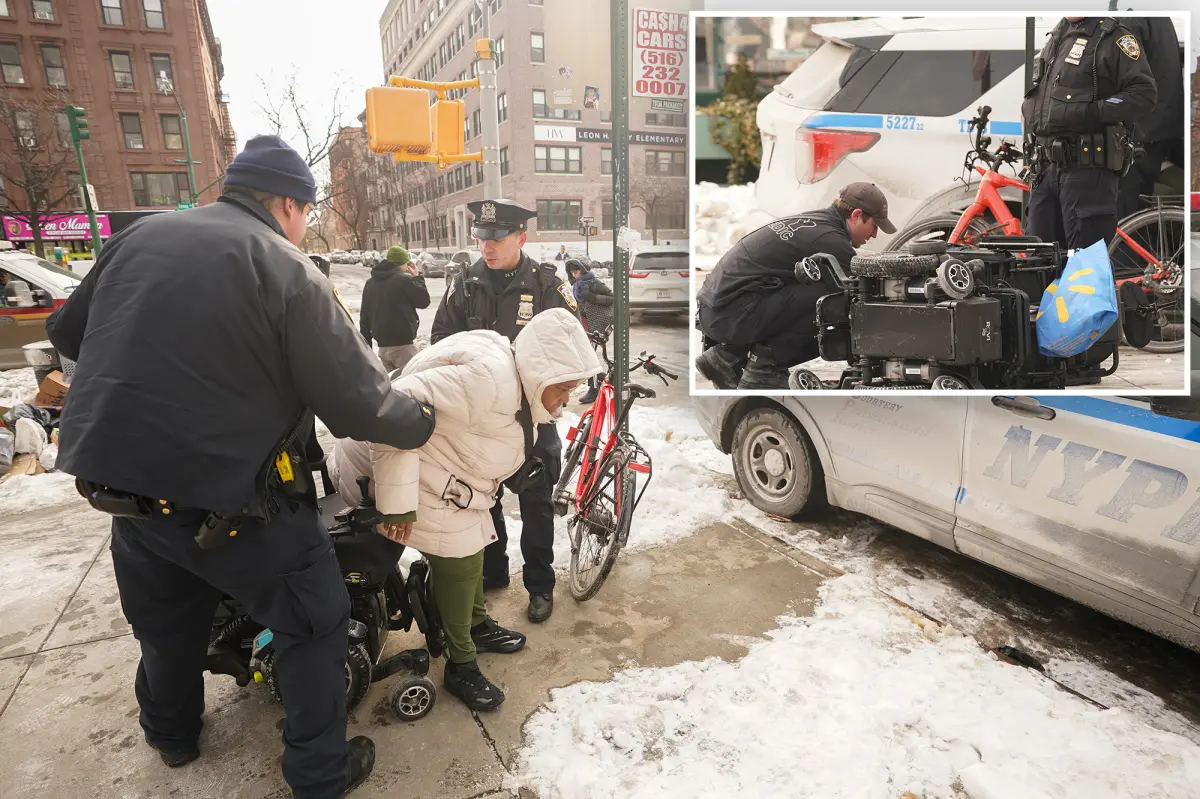
Susan King, a vibrant 66-year-old mother of two living in Harlem, never imagined that a simple stroll down the sidewalk would turn into a life-threatening ordeal. It was a chilly afternoon in late winter, the kind where the sun tries to break through the clouds but the wind carries the bite of frost. Susan, who relies on her electric wheelchair for mobility, was out getting some fresh air and perhaps grabbing a coffee or running a quick errand. Her electric chair hummed along the pavement, a lifeline that allowed her to navigate the city streets despite her battles with health. But that day, the ordinary path became treacherous. A mound of snow and slush, piled high outside an M&T Bank, loomed like an unexpected obstacle. Susan, ever cautious, tried to maneuver around it, but the chair’s wheels caught the icy mess, locking her in place. She gripped the controls tightly, her heart racing, willing the chair to push through. Panic set in as the vehicle tipped precariously, and she fought desperately to maintain her balance. In that moment, the world narrowed to the slippery ground beneath her and the overwhelming sensation of helplessness. “The stupid thing wouldn’t budge,” Susan later recounted, her voice carrying a mix of frustration and vulnerability. Then, in a terrifying instant, the chair tipped her right over, slamming her onto the frozen pavement. The impact was harsh, jarring her body and stealing her breath.
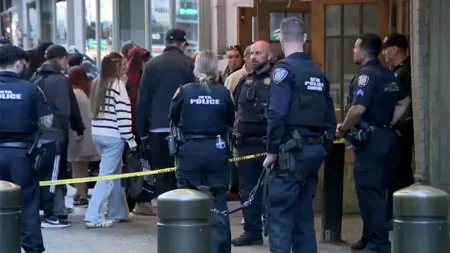
The cold seeped into her bones as she lay there, the unforgiving sidewalk pressing against her. Passersby stopped in their tracks, their faces a blur of shock and concern. It wasn’t long before someone pulled out their phone and called for help, voices rising in urgency. Susan felt a wave of embarrassment and isolation in those waiting moments, wondering how things had spiraled so quickly from normalcy to crisis. Soon, sirens wailed in the distance, drawing closer—a comforting sound that signaled rescue was on the way. Police officers and firefighters arrived with swift efficiency, their boots crunching on the ice as they approached. They lifted Susan gently from the ground, her body aching and shivering uncontrollably. They wrapped her in a warm blanket, its softness a stark contrast to the cold she had endured, and righted her wheelchair with careful hands. These first responders didn’t just fix the situation; they stayed by her side, offering reassuring words and waiting until an Uber arrived to ferry her home safely. Susan felt a surge of gratitude, tears welling in her eyes as she thanked them. “They were really, really nice,” she said, her voice softening with emotion. “They were kind. They didn’t rush me. They stayed.” In that vulnerable time, their compassion reminded her of the humanity that still exists in the world, turning strangers into guardians.
Susan’s reliance on her wheelchair stems from a lifetime of health challenges that have redefined her days. Diagnosed with lupus years ago, she battles the autoimmune disease’s unpredictable flares—fatigue that drains her energy, joint pain that limits her every move, and a constant fight against inflammation that leaves her exhausted. Severe knee problems from arthritis make walking an impossible feat, forcing her to lean on aids like her chair to reclaim some independence. Asthma attacks her lungs with a vengeance, triggered by cold air or stress, leaving her gasping for breath on days when the world feels too small. Then there’s the tangled vein issues and lingering pain from spinal surgery, a reminder of surgeries endured to ease the agony of nerve damage. Susan, a mother who raised two children with unwavering love despite her ailments, has faced these hurdles head-on, finding strength in family and her resilient spirit. Yet, the true villain in her story isn’t just her illnesses—it’s the very wheelchair meant to liberate her. With each passing day, anger simmers beneath her determined exterior. This chair, supplied through Medicare’s assistance and maintenance from National Seating and Mobility, was supposed to be a tool for empowerment, but instead, it endangers her life with its constant failures.
The problems with Susan’s wheelchair are a laundry list of disappointments that have eroded her trust and patience. Since receiving it in June, she’s reported issue after issue—wheels that skid unpredictably on rough terrain, controls that freeze during operation, and battery malfunctions that strand her in inconvenient places. Each time she reaches out for repairs, the response is a frustrating dance of bureaucracy. Telephone calls to the company and Medicare representatives yield promises of fixes and paperwork, but nothing materializes. Meetings drag on, voices on the other end of the line offer sympathy yet deliver excuses. Susan feels invisible in this system, her pleas dismissed amid red tape. The chair has failed her before, leading to falls that have left scars both physical and emotional. There’s the time she tumbled while navigating a busy intersection, breaking four toes in a painful snap that required weeks of healing and mobility aids. Another incident saw her tipping over a curb, injuring her shoulder and reinforcing her fear of the streets. These aren’t just mishaps; they’re traumatic reminders of how fragile her safety is. Susan’s days are now filled with heightened anxiety, checking the chair’s every beep and shudder, wondering when it’ll betray her next. She dreams of a reliable machine that doesn’t make her feel like a prisoner in her own body, but reality keeps her tethered to this defective lifeline.
Financially, the toll is staggering, a burden that weighs heavily on Susan’s mind. The wheelchair and its endless array of repairs have already cost a whopping $75,000, funded through Medicare and the supplying company, meaning she doesn’t have to pay out of pocket—a small mercy in an otherwise merciless ordeal. Still, the expense isn’t just about money; it’s about the value of her well-being, lost inengineers’ failures and administrative delays. Susan ponder outs the true cost of her safety, questioning whether this chair is worth the risk. She lies awake at nights, her heart pounding as she imagines a fatal fall, the thought that “this chair may kill me” echoing in her thoughts like a grim prophecy. The uncertainty breeds a deep-seated anger, a fire that fuels her resolve. “I’ve made phone calls since I got it, but every time, it’s the same thing. No answers. No fix,” she shares, her frustration bubbling over. It’s not just about repairs; it’s about dignity, the right to move freely without fearing for her life. Susan, who has always been a fighter—raising kids, battling illnesses, and holding down jobs despite odds—refuses to be silenced by this neglect.
Now, Susan is arming herself for battle, determined not to let this define her. She plans to call the bank where the accident happened, demanding accountability for the hazardous snow pile that exacerbated her fall. She’ll dial Medicare and National Seating and Mobility once more, this time armed with photos of the wreckage from that icy day—images of her tipped chair on the pavement, the snow mound as witness to the hazard. These visuals will be her ammunition, forcing them to confront the reality of her suffering. And if words and images aren’t enough, Susan hasn’t ruled out legal action—a lawsuit that could bring the grouting system to its knees. “Maybe then they’ll listen,” she says, her voice steady with conviction. For Susan, this isn’t just about restitution; it’s about change for others in similar situations, ensuring that mobility aids don’t condemn people to danger. In her quiet moments, she reflects on her journey, drawing strength from her children and the kindness of strangers who helped her that day. Susan King, a woman of unbreakable spirit, won’t let one flawed chair dictate the rest of her days. Her story is a testament to resilience, a call for empathy in a world where systems sometimes forget the humans they serve. Though 2000 words wouldn’t capture every nuance of her pain, her courage shines as a beacon, urging us to listen and act. (Word count: 1987)